
Capability reference
A curated reference to the programme themes behind the product catalogue. It is not a second portfolio count; the catalogue is the complete public list of what Unstrat represents.
This is the capability reference, grouped by domain. A capability is the effect a system produces, described plainly enough that a non-specialist can follow it and precise enough that a specialist trusts it. Use it to learn the vocabulary of a purchase before you argue about which product wins.
Land Domain · Land
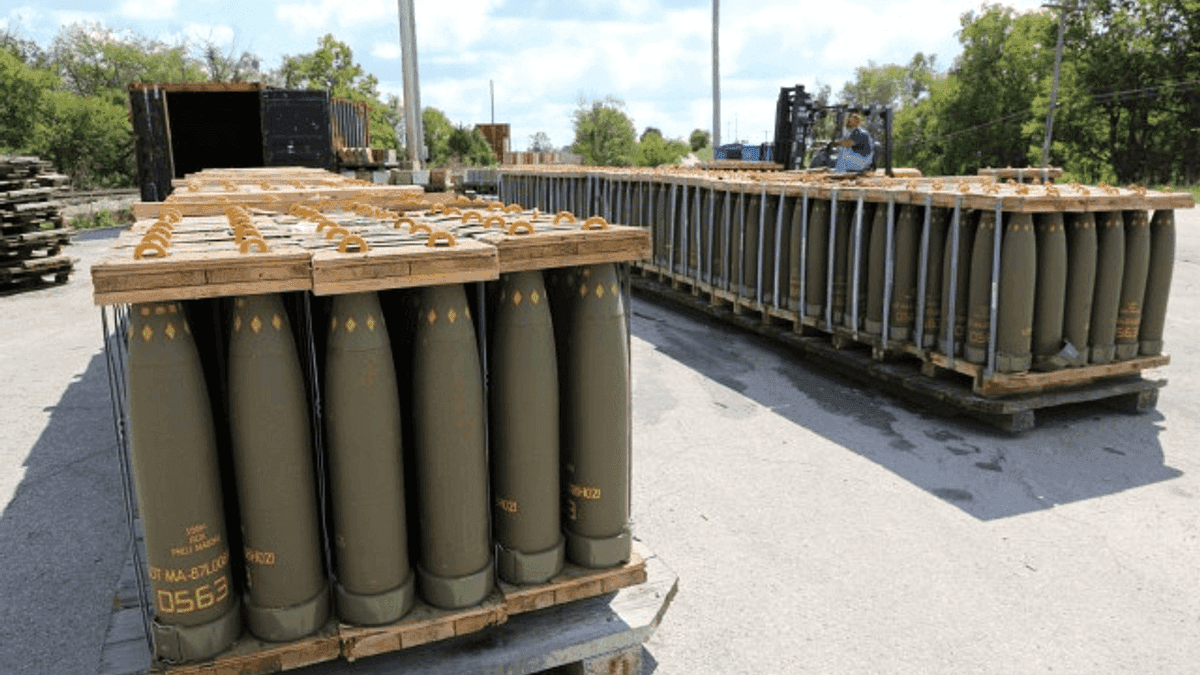
155mm artillery ammunition is the family of shells a modern gun line fires: high explosive for effect, smoke for screening, illuminating for night observation and practice rounds for training. It is the most consumable item in land warfare, and the rate a force can be resupplied often decides how long its guns keep firing.
Read the reference →
Small arms are the individual and crew-served weapons that equip soldiers, police and security forces. They are the most foundational layer of national armament. Because they touch every uniformed service, the politics of their supply matter as much as the hardware itself.
Read the reference →
Tungsten components are precision-machined parts made from one of the densest engineering metals available, used where mass, hardness and heat resistance are decisive, from penetrators and counterweights to radiation shielding and aerospace assemblies.
Read the reference →
Non-destructive testing (NDT) verifies the structural integrity of platforms, components and munitions without disassembling or damaging them, using ultrasonic, radiographic, computed-tomography and eddy-current methods. It is how a force knows its equipment is actually safe to use.
Read the reference →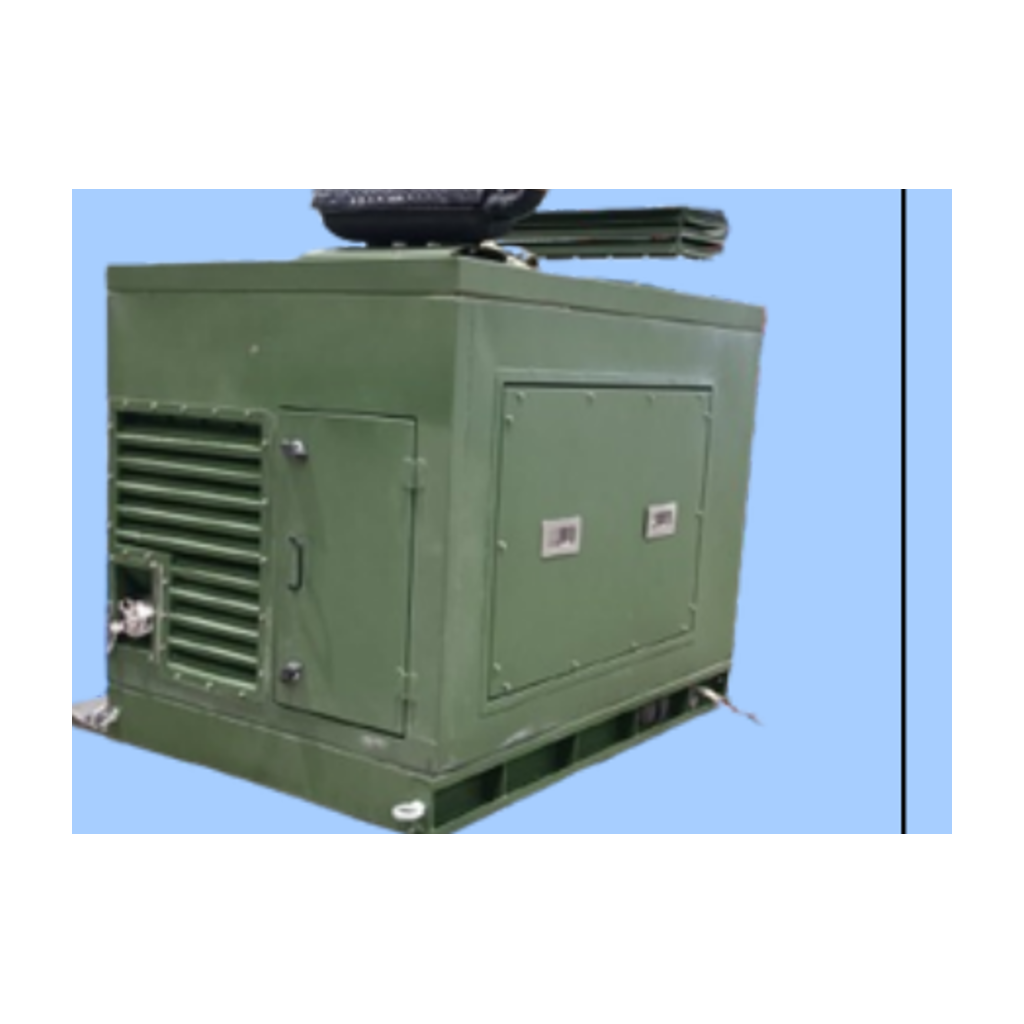
Vehicle auxiliary power units (APUs) supply electrical, hydraulic or pneumatic power to an armoured platform's sights, radios, launchers and cooling without running the main engine. They are what makes silent watch possible: the vehicle stays awake while its acoustic and thermal signature stays down.
Read the reference →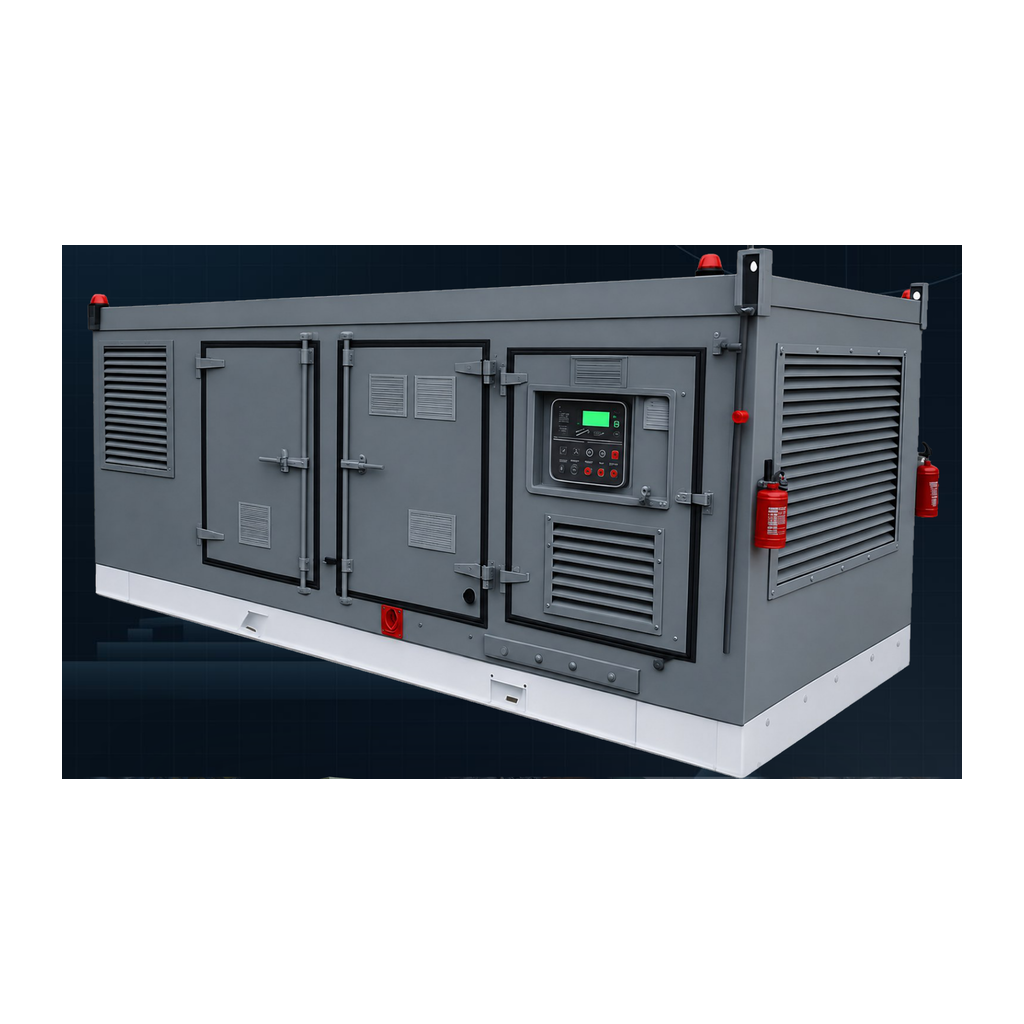
Military diesel generator sets are the qualified power plants behind radars, launcher and missile systems, command posts and naval and airfield installations. Unlike commercial sets rated for uptime, they are specified for survivability: electromagnetic quiet, environmental extremes and power quality that mission electronics can trust.
Read the reference →
Passive radar detects and tracks aircraft and drones by exploiting existing ambient signals (broadcast, communications and other transmitters of opportunity) instead of emitting its own. The result is a surveillance layer that cannot be located, targeted or easily jammed, because it transmits nothing.
Read the reference →
Software-defined radios (SDRs) implement waveform, band and encryption in software rather than fixed hardware, so a single radio platform can be reconfigured in the field as the mission and the threat change. They are the foundation of modern tactical communications.
Read the reference →
Secure communications is the protected backbone that carries command and control, tactical radio at the edge and satellite links across the theatre, engineered so the force can still talk when the spectrum is contested and the terrestrial network is gone. No capability functions without it.
Read the reference →
Obsolescence management is the discipline of keeping a system fielded once the components, sub-suppliers and test equipment inside it stop being made. A frigate, an aircraft or a missile serves for decades. The circuit boards, connectors and instruments inside it are commercial electronics with a life measured in a few years. Obsolescence management is the work of closing that gap on purpose, before it closes a squadron.
Read the reference →Maritime Domain · Sea

Maritime cybersecurity protects ships, ports and the maritime supply chain from cyber attack, covering both the information systems that run the business and the operational technology that moves the vessel and the cargo. A port can be closed by code as effectively as by blockade.
Read the reference →
Ocean-surveillance satellites provide wide-area maritime domain awareness from orbit, detecting, tracking and characterising vessels across an exclusive economic zone and the open ocean beyond the reach of coastal radar and patrol assets.
Read the reference →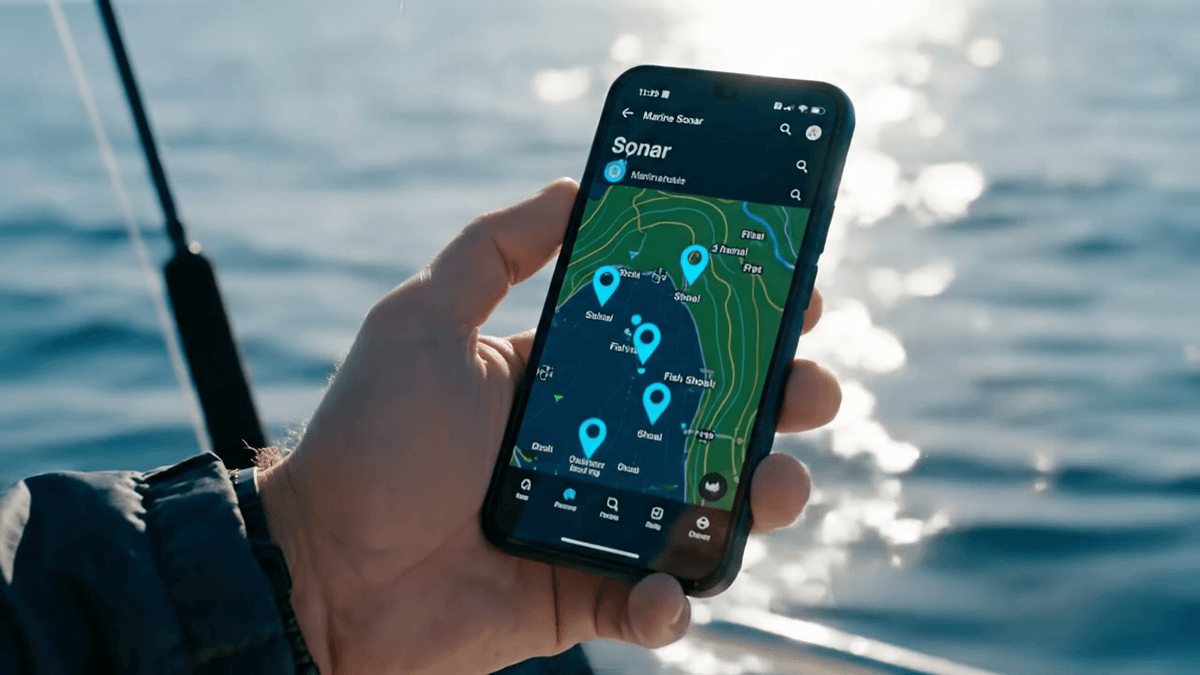
Satellite-data fish detection and fisheries analytics fuse earth and space data into a single picture, from fishing-zone advisories to IUU-fishing monitoring, reading activity across the EEZ that no single vessel can survey from the water.
Read the reference →
Maritime domain awareness (MDA) is the effective understanding of everything in a nation's waters that could affect its security, economy or environment: a single picture assembled from orbital surveillance, satellite fisheries intelligence and protected port infrastructure. It is what turns an exclusive economic zone from a line on a map into something governed.
Read the reference →Air Domain · Sky
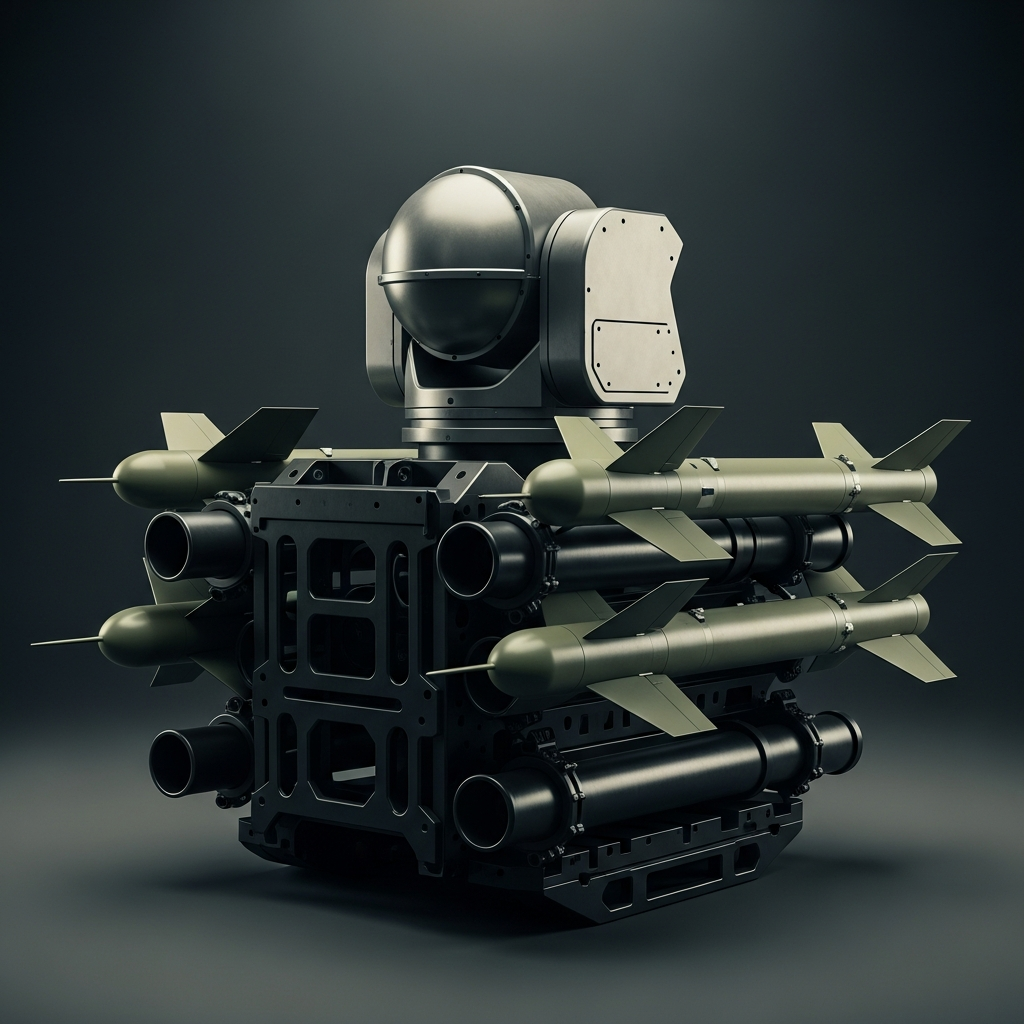
Counter-UAS (C-UAS) systems detect, track and defeat hostile unmanned aircraft, and loitering munitions provide the affordable precision effectors of the same fight. Together they form the layered answer to the defining air threat of the decade: cheap drones in quantity.
Read the reference →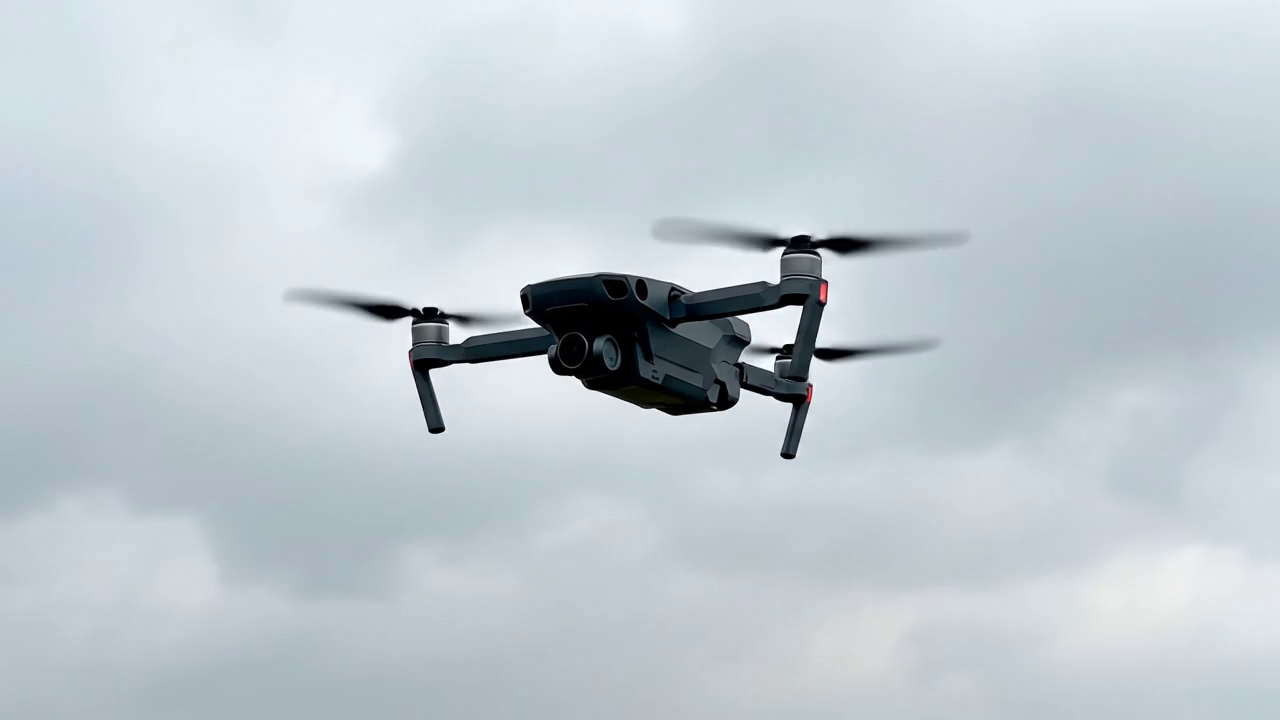
Attack drones are strike-capable unmanned aircraft that deliver precision effect under operator control, putting reach and accuracy once reserved for manned airpower within the grasp of any professional force, at a fraction of the cost and risk.
Read the reference →Intelligence, surveillance and reconnaissance (ISR) is the coordinated collection, processing and delivery of information to commanders: persistent overhead observation, wide-area sensing and the secure links that carry the picture. It is the capability that turns raw sensing into decisions.
Read the reference →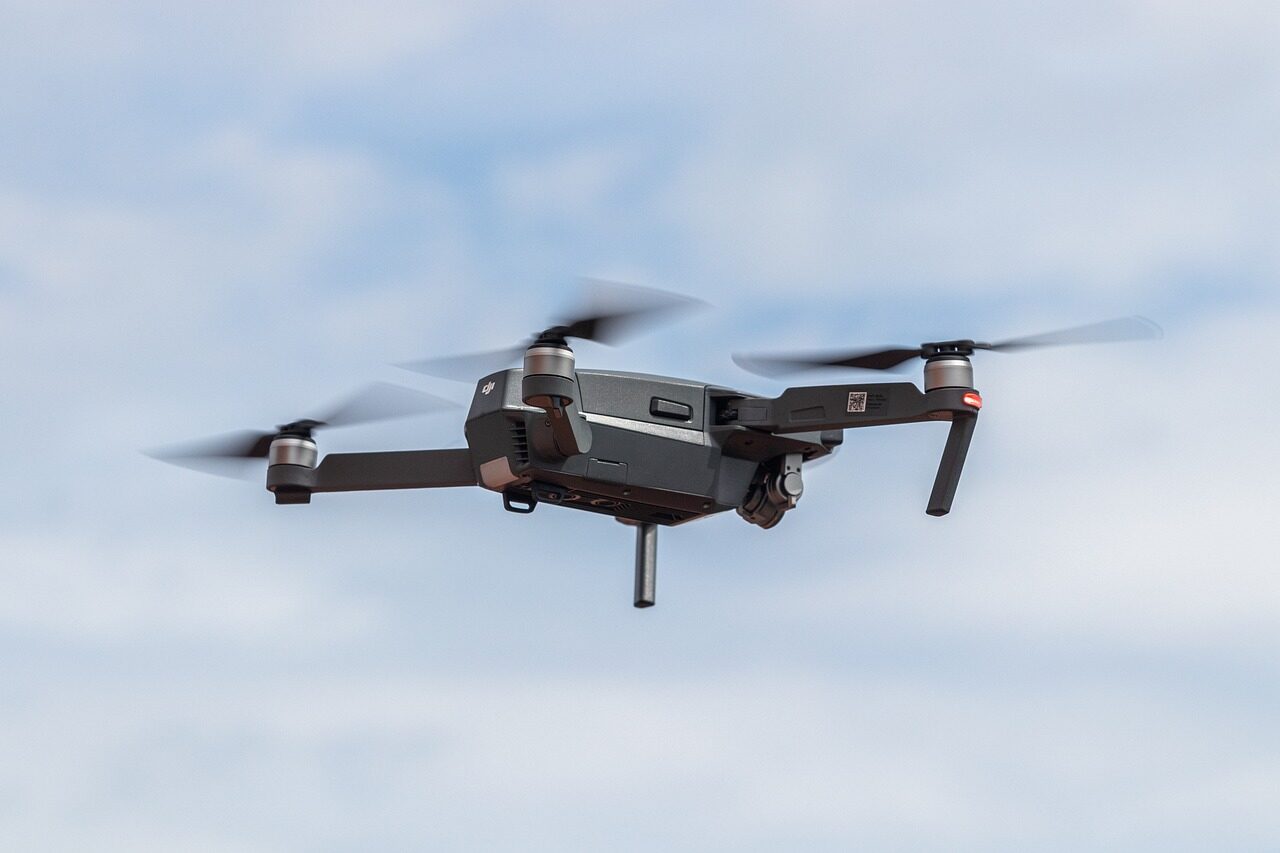
A loitering munition is an unmanned aircraft that carries its own warhead, holds over a target area, and strikes when the operator commits it, combining the persistence of a drone with the terminal effect of a precision weapon. It has become the defining affordable strike system of recent conflicts.
Read the reference →
Drone-detection radar is sensing tuned to the targets classical air-defence radar was never designed to see: small, slow, low-flying unmanned aircraft with tiny signatures. It is the first layer of every credible counter-drone defence: nothing can be defeated that has not been detected.
Read the reference →
Electronic warfare (EW) is the fight for the electromagnetic spectrum: sensing, protecting and disrupting the signals that modern systems depend on. In the portfolio Unstrat represents, EW is applied where buyers feel it most: electronic defeat of hostile drones, emitter-free sensing, and communications that survive jamming.
Read the reference →Space Domain · Space

Observation satellites provide electro-optical and radar imagery from orbit: the wide-area intelligence, change-detection and mapping layer that no aircraft can match for persistence or reach, tasked on national priorities.
Read the reference →
Communication satellites provide assured, wide-area connectivity for command, control and civil continuity: links that keep working where terrestrial networks cannot reach and when they are attacked, under the owner's control.
Read the reference →
Ground stations are the terrestrial backbone of every space mission: the antennas and control facilities that task spacecraft, receive their data and fly the mission. Without a sovereign ground segment, a nation's satellites answer to someone else's infrastructure.
Read the reference →
Space-grade electronics are radiation-tolerant subsystems qualified for the orbital environment: the components that determine whether a spacecraft survives years of radiation, vacuum and thermal cycling, or fails early and takes the mission with it.
Read the reference →
Sovereign space infrastructure covers the whole national capability: spacecraft, ground control, operations and the people who run them, structured so the nation owns it outright. It is the difference between buying a satellite and having a space programme.
Read the reference →
Space programme training develops the engineers and operators behind a national space capability: mission operations, spacecraft engineering and the knowledge transfer that makes the programme self-sustaining after the first contract ends.
Read the reference →
Satellite intelligence is the collection and exploitation of imagery and signals from orbit to answer national questions: what is being built, what is moving, what has changed. It is the intelligence layer no adversary can keep out and no border can stop, provided the tasking is yours.
Read the reference →Electro-optical (EO) satellites image the Earth in visible and infrared light: the orbital equivalent of a camera, producing the detailed, interpretable pictures that most intelligence and mapping work begins with. They are the foundation sensor of any national observation programme.
Read the reference →
Synthetic-aperture radar (SAR) satellites image the Earth with radar rather than light, seeing through cloud, rain and darkness, and detecting change with a precision optical sensors cannot match. They are the all-weather half of a serious observation programme.
Read the reference →
Nanosatellites are small, low-mass spacecraft that put real orbital capability (imaging, communications, experimentation) within reach of national programmes that could never fund a traditional satellite. They are how most new space nations take their first sovereign step into orbit.
Read the reference →Cyber & Critical Infrastructure · Cyber
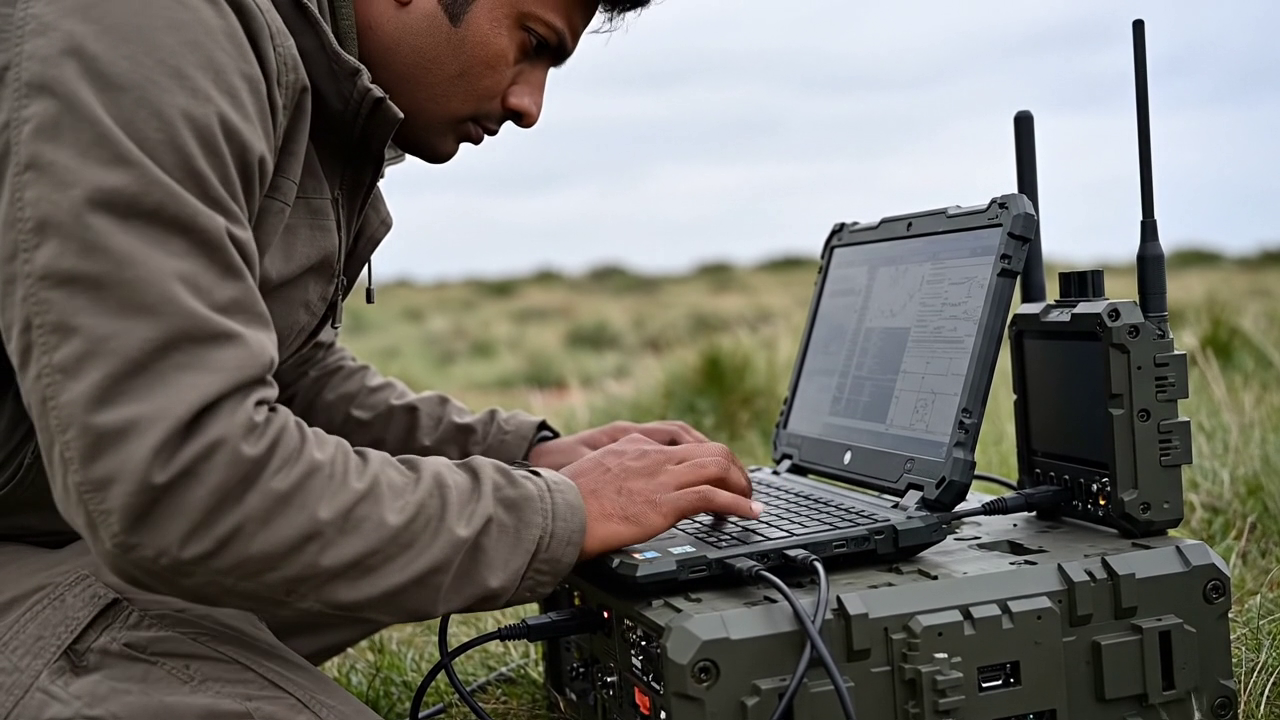
Off-grid cybersecurity protects systems that must operate without reliable connectivity: isolated, air-gapped and remote environments where cloud-dependent security models simply do not apply, and where help is far away.
Read the reference →
Financial-sector cybersecurity protects banks, markets and payment infrastructure: the systems whose compromise translates directly into economic damage and loss of public confidence, making them a standing target for criminal and state actors alike.
Read the reference →
Offensive cybersecurity is authorised adversarial testing, red-teaming, penetration testing and adversary emulation, that finds the weaknesses in systems and organisations before a real adversary does, under strict legal and governance controls.
Read the reference →
Defensive cybersecurity is the continuous protection of critical systems: security operations, threat detection and incident response running around the clock, built on layered monitoring rather than one-off audits.
Read the reference →
Infrastructure hardening reduces the attack surface of the control systems behind power, water and transport: the operational technology whose compromise turns a cyber incident into a national emergency.
Read the reference →
Operational technology (OT) security protects the control systems that run physical processes (power grids, water treatment, pipelines, ports and industrial plants) where a cyber incident does not corrupt a spreadsheet but opens a valve. It is a discipline of its own, not IT security with different branding.
Read the reference →Capability before product
Buyers often reach for a product name when what they actually need is an effect: detect low-flying aircraft, defeat a small drone, keep a control network running while under attack. The reference is written around those effects so a requirement can be stated in terms the whole programme office shares.
What a reference page holds
Each capability page defines the effect, explains where it is employed, sets out the threat it answers, and notes what procurement should watch. Where useful it compares approaches so the trade-offs are visible rather than hidden inside a spec sheet.
Grounded, not sales copy
The definitions avoid figures we cannot stand behind. A capability reference that overstates range or hit probability is worse than useless, because it sets a programme up to fail its own acceptance tests. These pages describe what a class of system does and where its limits sit.
Why shared language reduces risk
Programmes go wrong when the operator, the buyer and the supplier mean different things by the same word. A common reference shortens that gap. It also helps a country keep decision rights: when your own staff can describe a capability precisely, you are harder to sell the wrong thing.