
Procurement insights and analysis
Longer-form articles on the capabilities Unstrat represents and the procurement questions behind them: counter-UAS, drones, industrial cyber, inspection and the case for non-aligned sourcing.
Insights is our analysis for defence buyers: the arguments behind the catalogue, written for people who have to justify a purchase rather than merely make one. Read these to understand how we think about threats, sourcing and the politics of a defence sale.
Research
01Buyers are already diversifying their arms suppliers. The industry has no name for it.
The public volume data shows importers moving off single-bloc dependence. The vetoes, sanctions and re-export bans that push them there are documented. What is missing is a buyer-side measure of how exposed each importer still is.
Non-aligned procurement
01
What non-aligned defence procurement means
Non-aligned defence procurement means acquiring capability from independent manufacturers outside the major-power blocs, so the buyer keeps control of how the system is used, upgraded and disclosed.
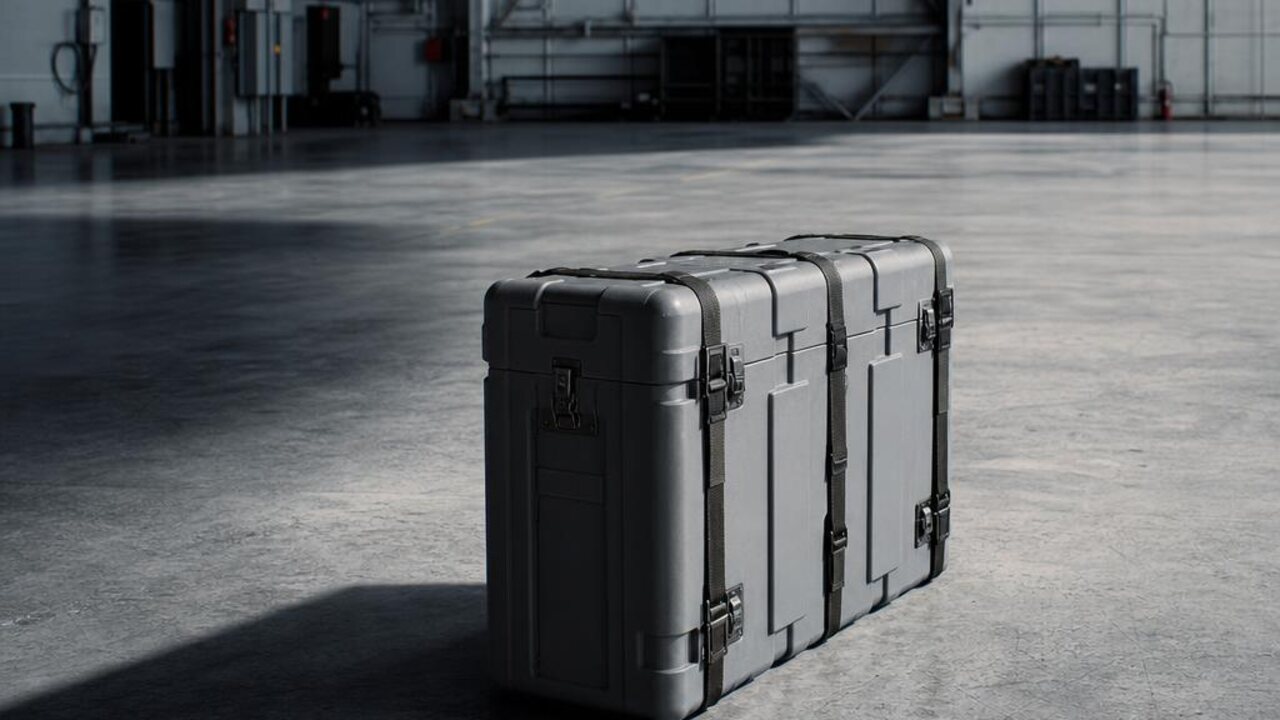
Buying defence capability without major-power strings
The strings are the disclosure rules, the re-export veto and the support that stops when the relationship cools. How government and enterprise buyers acquire capability without them.
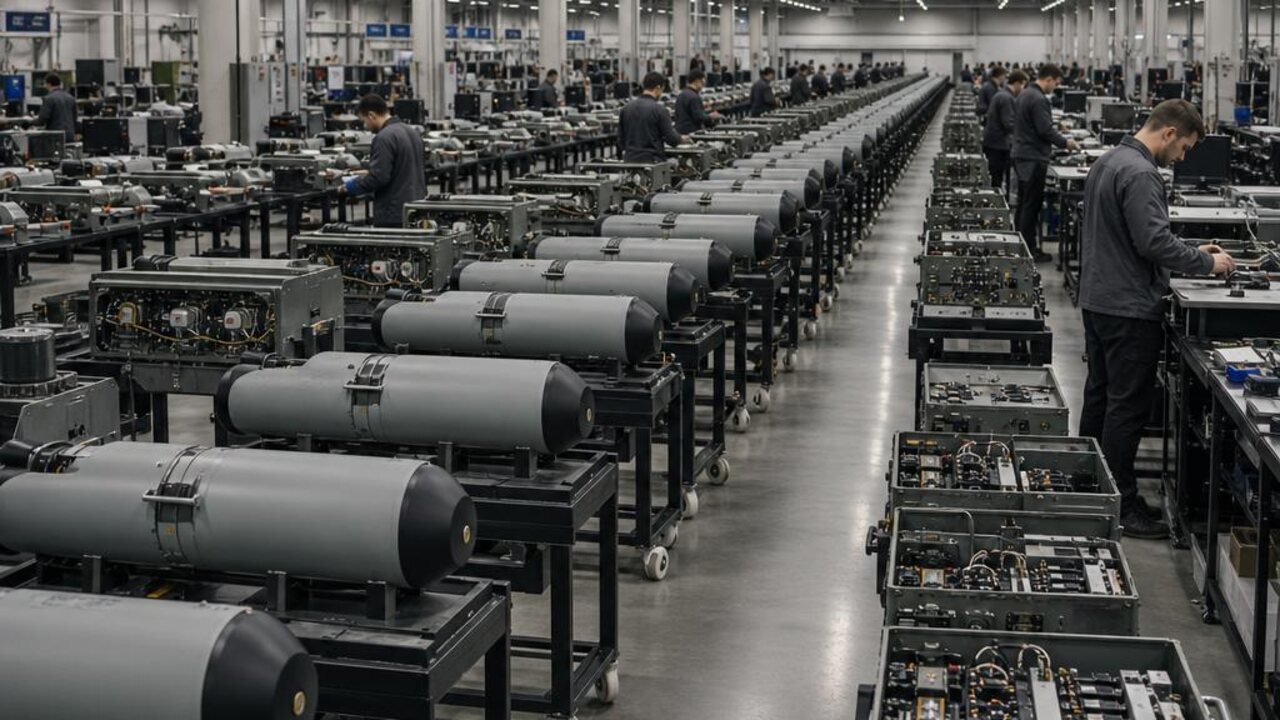
Defence-industrial diversification after the 2026 Iran war
The February–March 2026 conflict showed that scarce, expensive prestige systems struggle against mass drone and missile attack, and accelerated buyer interest in affordable, scalable, non-aligned capability.
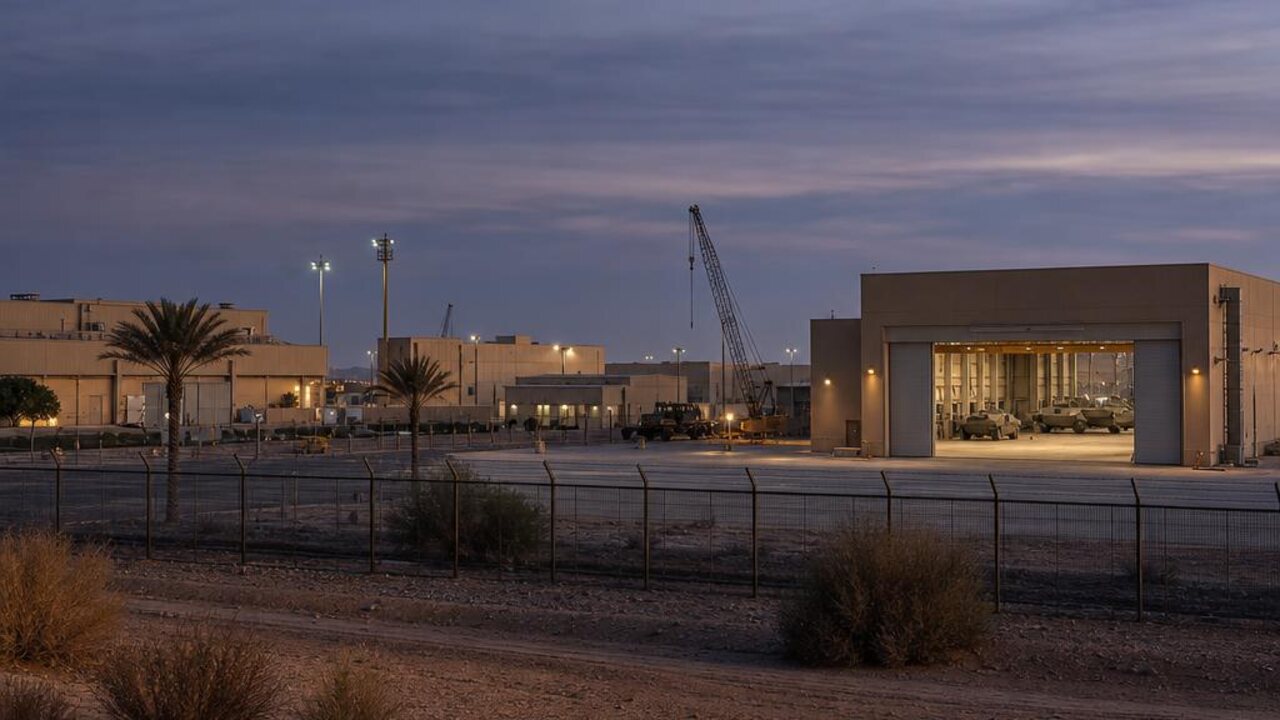
How Gulf states are diversifying their defence suppliers
GCC buyers are deliberately widening their supplier base, localising industry, buying from middle powers and adding non-aligned channels, to reduce dependency on any single foreign flag.

India as a non-aligned source of defence and strategic products
India's independent manufacturers, across drones, electronics, precision engineering, cyber and space, offer buyers capability from a strategically autonomous industrial base outside the major-power blocs.

How to work with an authorised defence representative
What a legitimate defence representation relationship looks like (mandates, export-control governance, accountability) and the warning signs of an informal intermediary.

Food, energy and maritime resilience as national-security priorities
Security planning now extends beyond weapons to the systems a nation cannot function without (food reserves, energy infrastructure and maritime domains) and procurement is following.

The real price of a weapons system is the permission slip
A defence contract has two prices. One is on the invoice. The other is the permission slip that decides whether you may use, upgrade or re-export the thing you bought. We think the second price is the one buyers under-count.
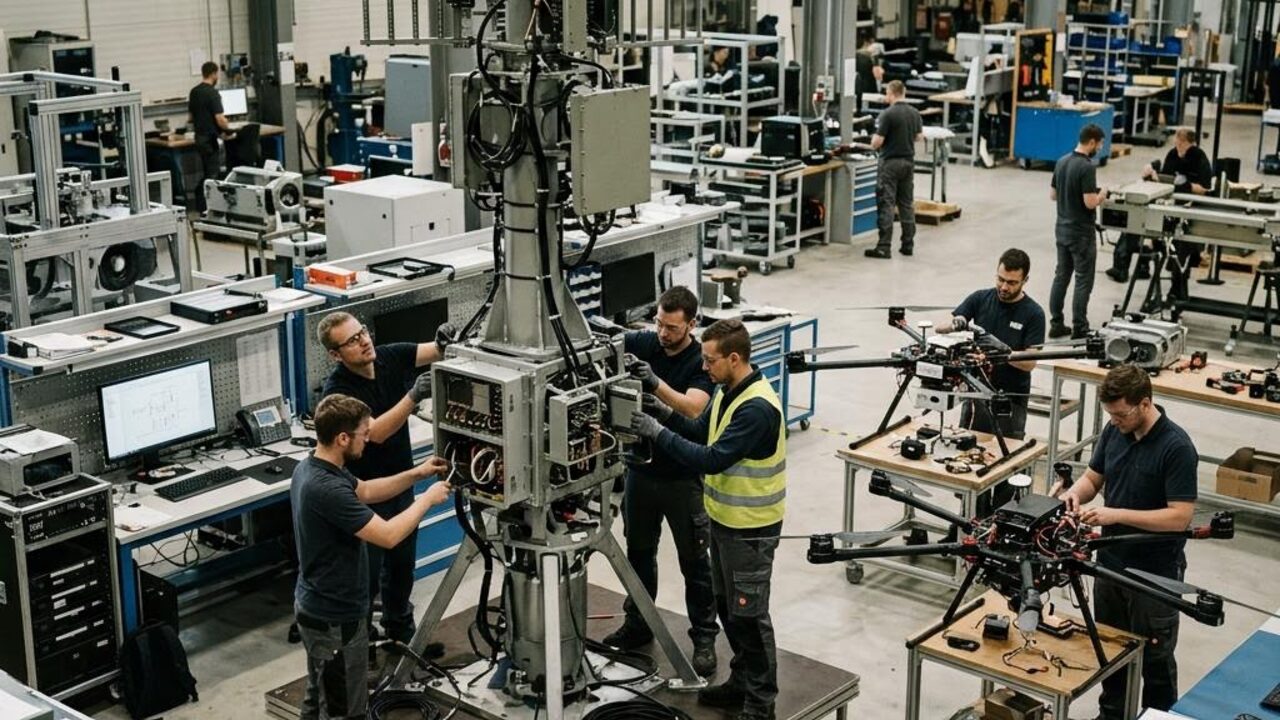
The best system for a country is usually assembled, not bought
One supplier may have the best radar. Another has the right drones. A third does secure communications better than either. The best national system is the one that puts the strongest parts together, and the customer should not have to be the integrator.
Fundamentals & explainers
02
What is non-aligned defence procurement?
Acquiring capability from suppliers outside the major power blocs, so the buyer keeps control of how it is used, upgraded and disclosed.

Alternatives to US, Israeli, Russian and Chinese defence suppliers
Every major-power supplier attaches conditions to the sale. Where government and enterprise buyers go instead, and what independent manufacturers can and cannot replace.

Prime vendor vs. distributor vs. systems integrator
Three different roles in defence acquisition, and why accountability is the distinction that matters.

Best-of-breed capability vs. single-OEM lock-in
One supplier is simpler to manage. It also hands that supplier your roadmap, your pricing and your upgrade cycle across the whole force.

Sovereign capability vs. foreign dependency
Owning, operating and sustaining a capability on your own terms, and what it takes beyond buying the equipment.

How end-use certification works
The document and process that confirm who receives a controlled item and how it will be used.
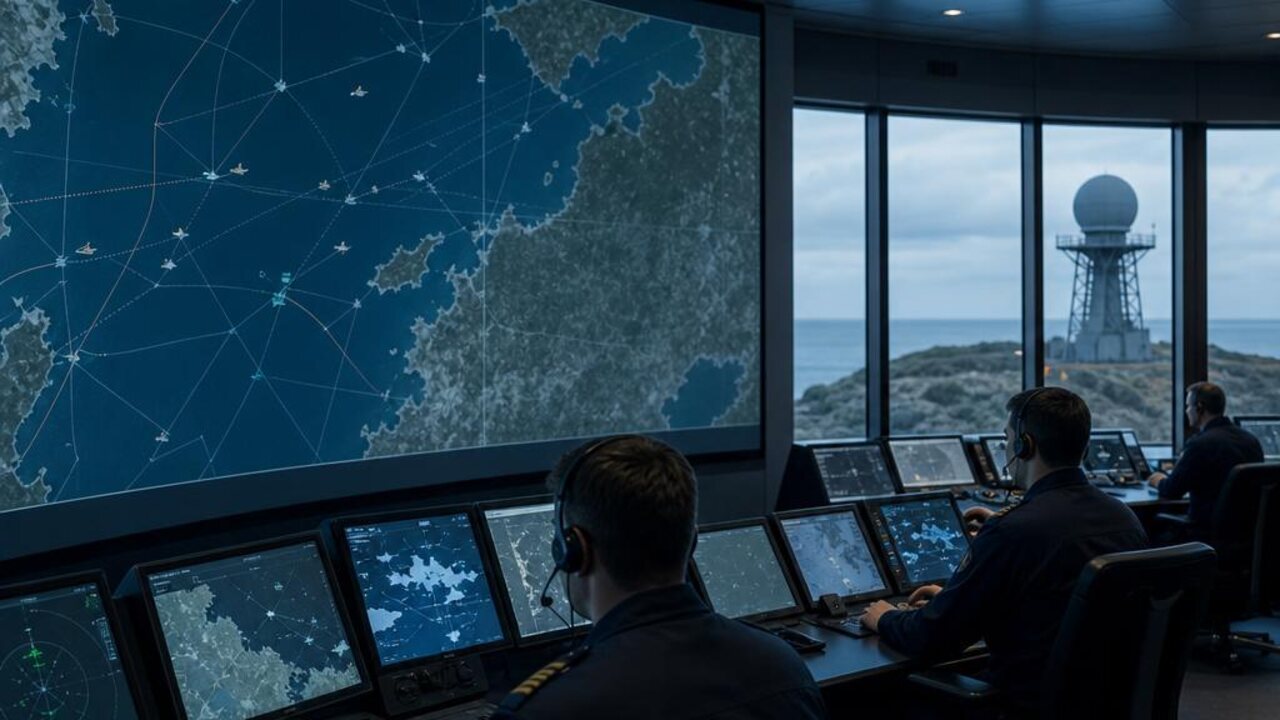
What is maritime domain awareness?
Coastal radar stops at the horizon. Maritime domain awareness is the single picture of a nation's waters that runs from orbit down to the harbour.

What is passive radar?
Surveillance that exploits existing ambient signals to detect and track, without giving away its own position.

What is sovereign space infrastructure?
The full chain (spacecraft, ground segment, qualified electronics and trained people) a nation needs to own its space capability.

What a satellite ground station is, and what it takes to build one
A ground station is where a satellite becomes useful. This explains the anatomy first (antenna, RF chain, modem, TT&C, mission control) and then the harder half: what it actually takes to build and run one.
Counter-UAS & air defence
03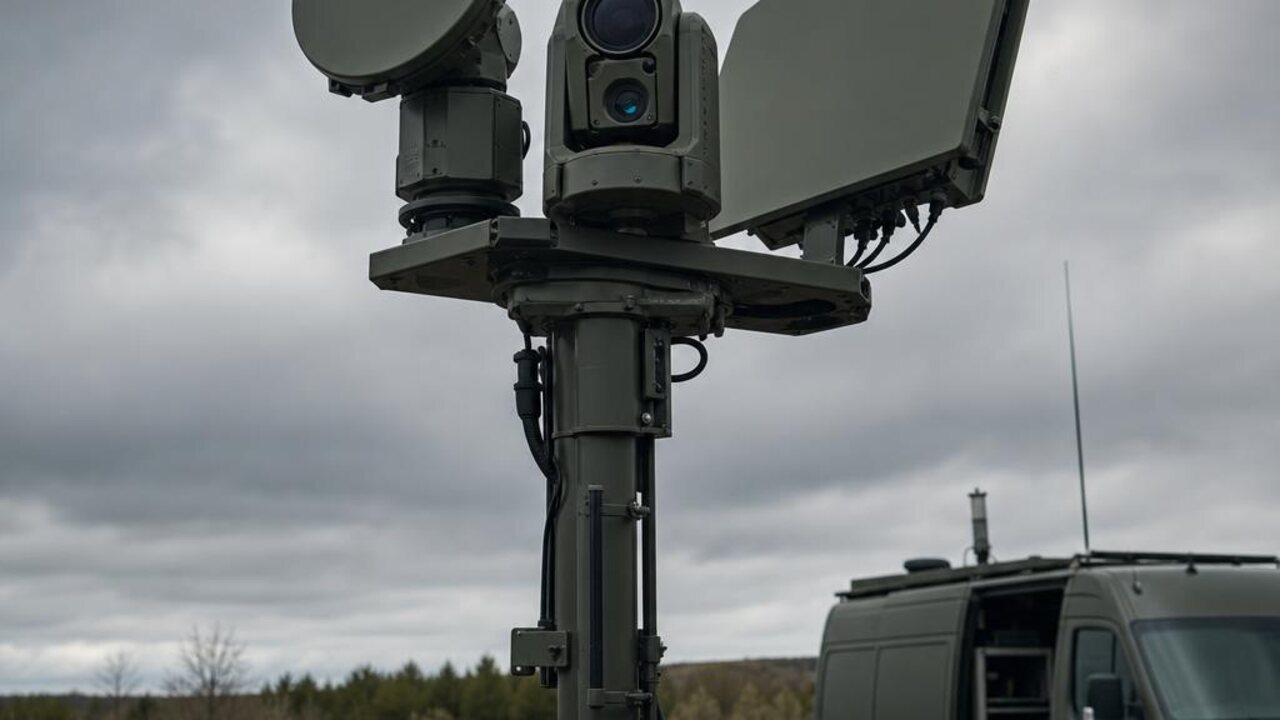
Counter-UAS systems explained: detect, track, defeat
Counter-UAS systems find, follow and stop hostile drones. How the detect, track and defeat chain works, what each layer contributes and why no single sensor or effector is ever enough.
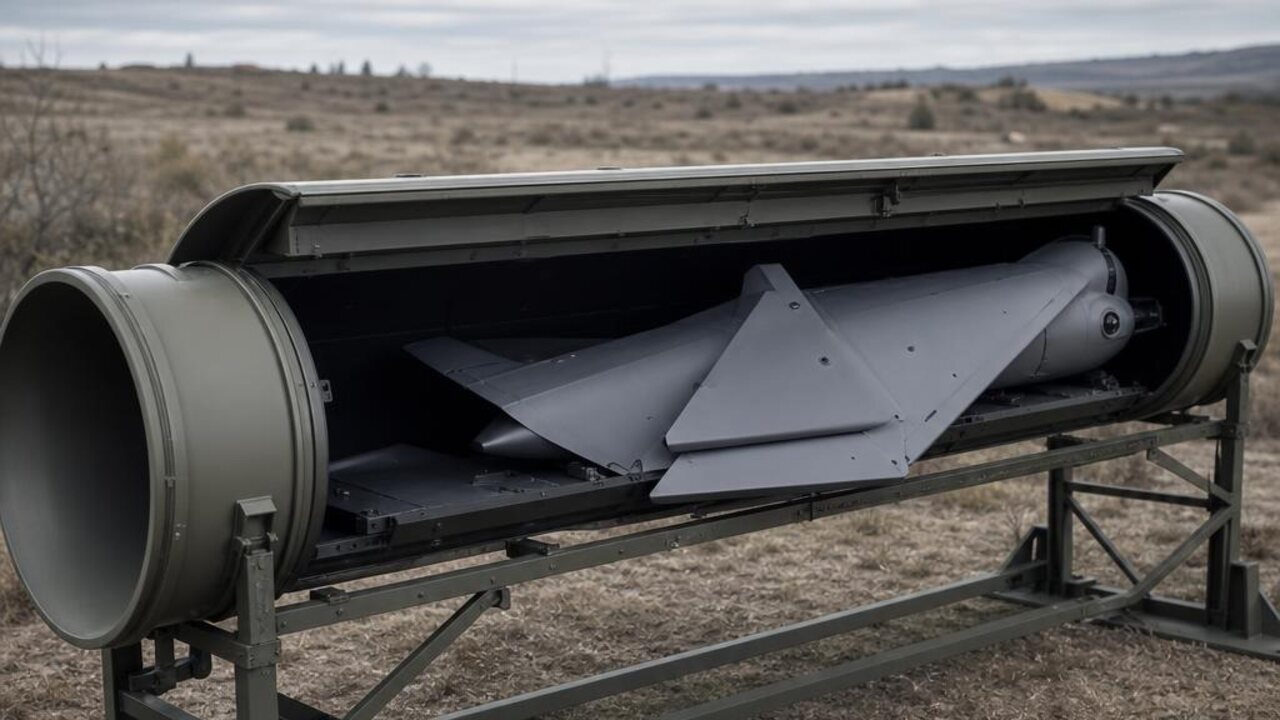
Loitering munitions: what they are and how they're used
Between the drone and the missile sits the loitering munition, a weapon that waits. What these systems are, how forces employ them and what buyers should understand before acquiring them.
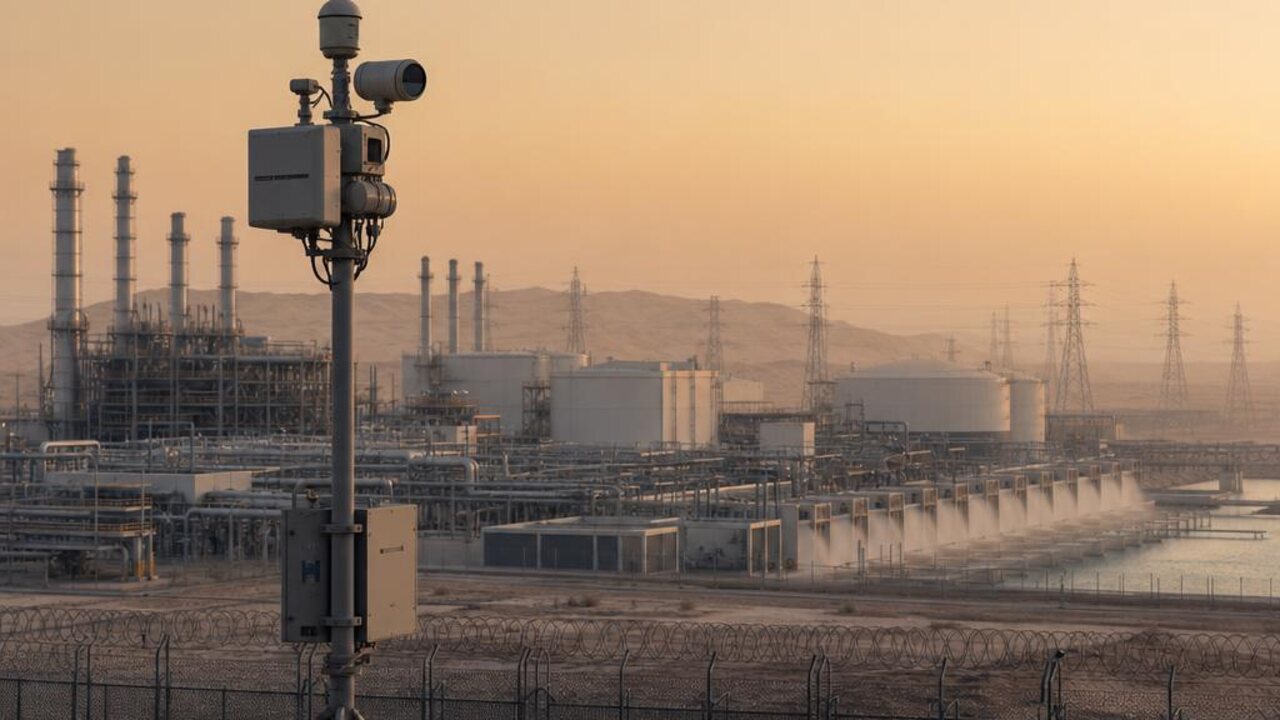
Defending Gulf critical infrastructure against drone attacks
Gulf energy, water and transport infrastructure has been attacked by drones in reality, not theory. What layered protection of fixed strategic sites looks like after those lessons.
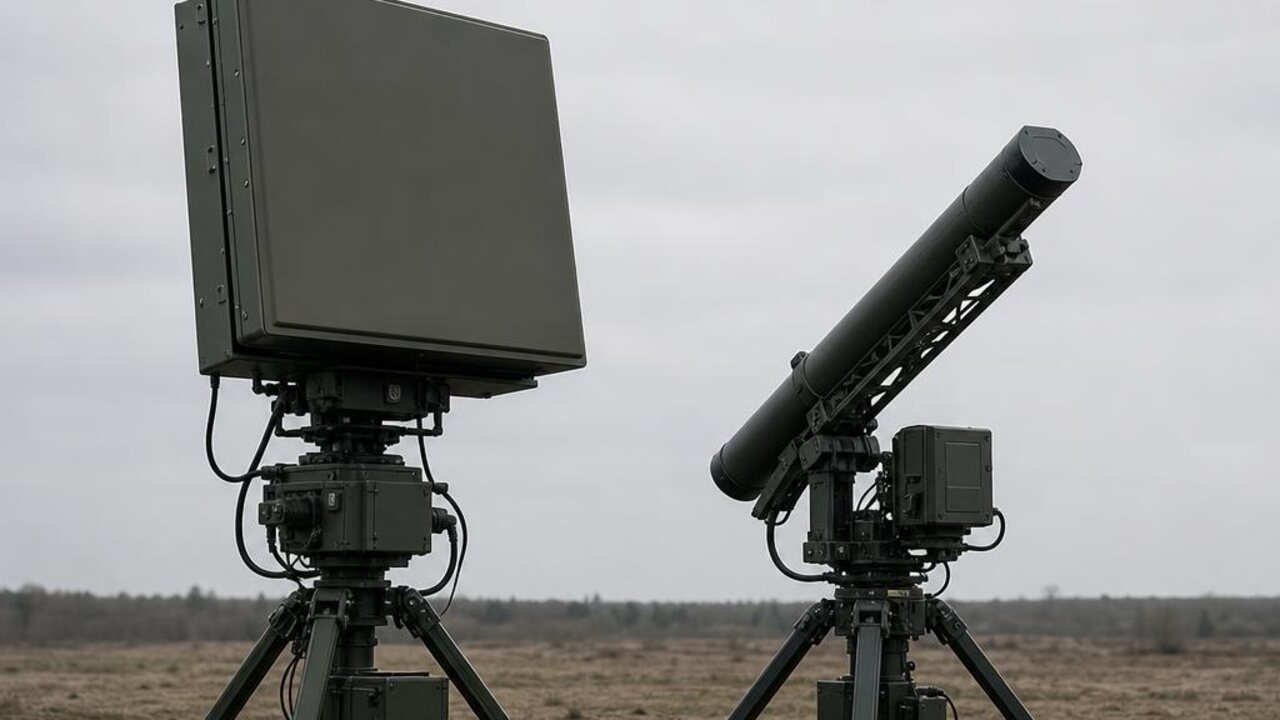
Kinetic vs non-kinetic counter-drone interception compared
Jam it or hit it? The two families of drone defeat compared: how each works, where each fails, and why serious defences carry both.
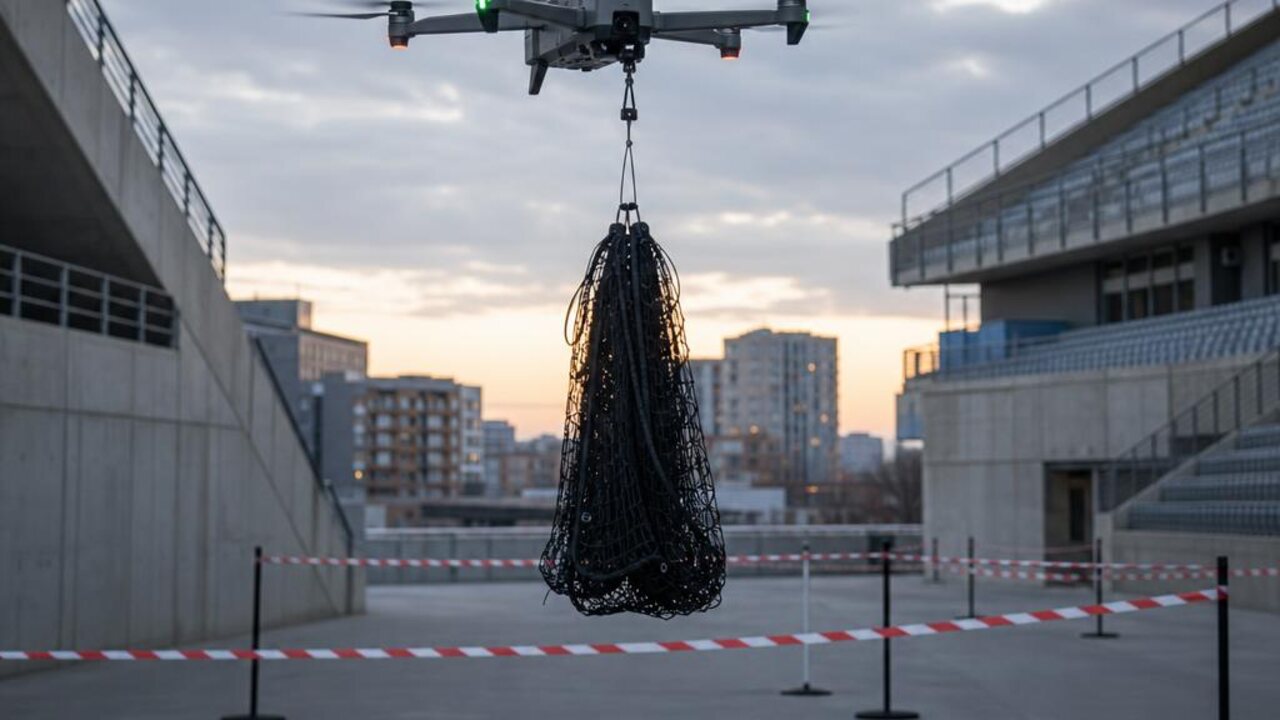
Net-capture drones for permissive-environment counter-UAS
Sometimes the drone must come down intact, gently and in front of cameras. Why net capture owns the permissive end of the counter-UAS spectrum: cities, airports, public events, evidence.

Layered air defence after the 2026 Iran war: the counter-UAS lesson
The 2026 conflict stress-tested modern air defence against saturation. The lesson was not that high-end systems failed. It was that they were never meant to stand alone.

How to evaluate a counter-UAS system for airport protection
Airports are the hardest counter-UAS environment: constant legitimate air traffic, dense electronics, zero tolerance for debris or disruption. A structured evaluation framework for aviation buyers.
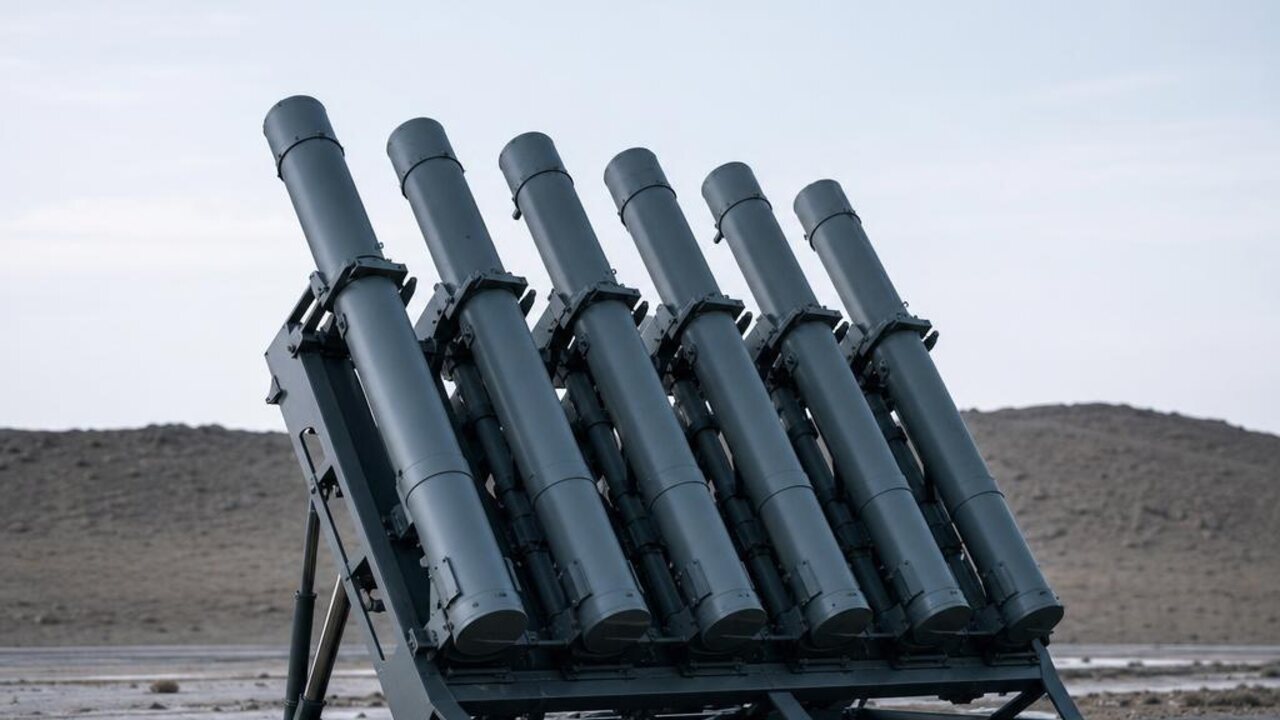
Affordable interceptors vs legacy missile defence: cost per engagement
When the threat costs little and comes in volume, the defence's economics become part of its performance. Why cost per engagement now shapes air-defence architecture.
OT & critical-infrastructure cyber
04
OT cybersecurity for critical infrastructure: an operator's guide
Operational technology runs the physical world: power, water, ports, refineries. This guide explains what OT cybersecurity is, why IT tools cannot do the job, and how operators build a defensible programme.

IT vs OT security: why industrial systems need a different approach
The two disciplines share vocabulary and little else. Understanding where IT security assumptions break down in industrial environments is the first step to protecting them.
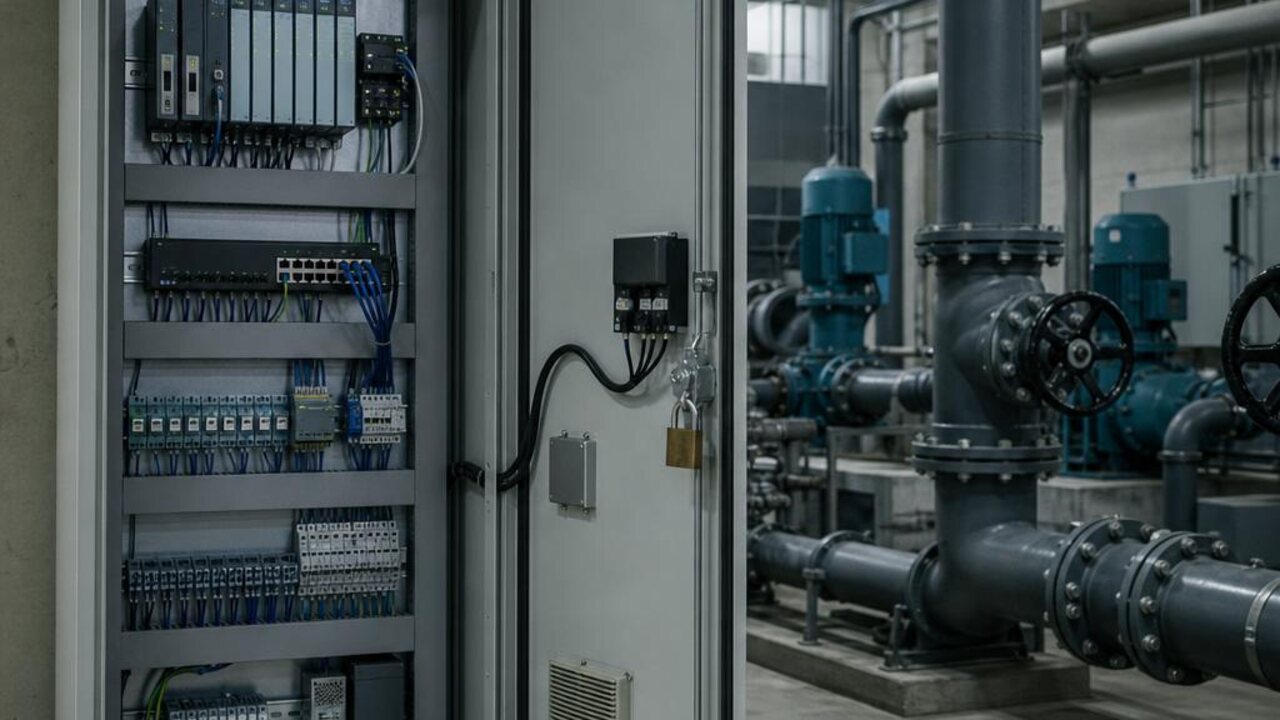
Securing SCADA systems in power and water utilities
SCADA systems supervise the utilities a nation cannot function without. How power and water operators secure legacy supervisory control against modern threats.

Maritime cybersecurity and IACS UR E26: what shipowners must do
Cyber resilience is now a condition of class for new ships. What IACS Unified Requirements E26 and E27 mean for shipowners, and how fleets get ahead of them.
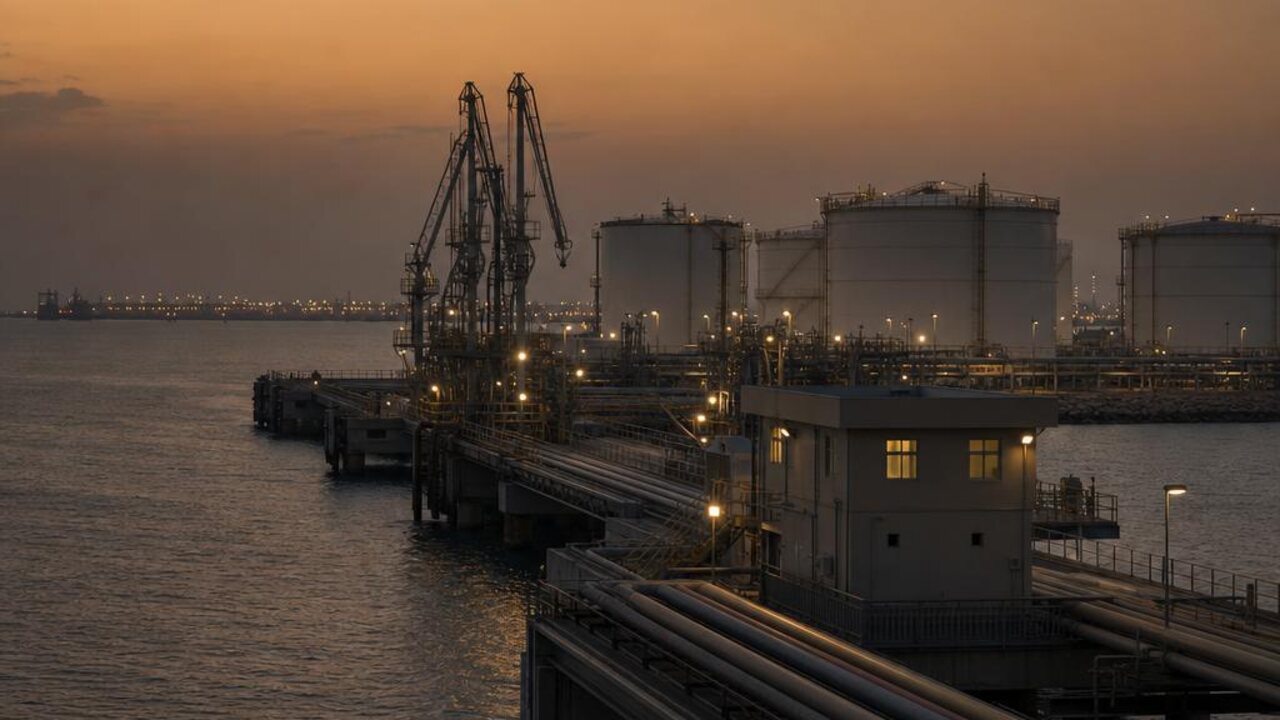
Protecting Gulf ports and energy assets from OT cyber threats
The Gulf concentrates globally critical ports and energy infrastructure in a contested neighbourhood. How operators in the region harden operational technology against a proven threat.
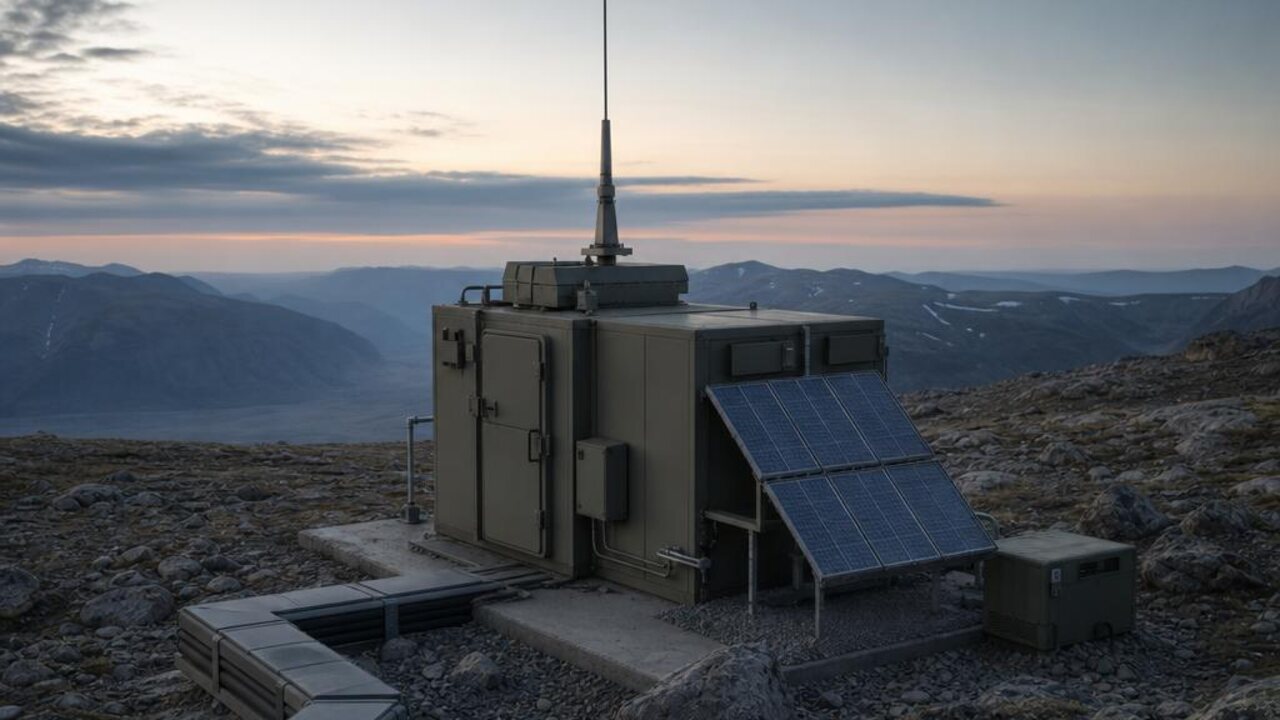
Air-gapped and off-grid cybersecurity for remote installations
Isolation is a strong control and a seductive myth. How remote and disconnected installations stay secure when the air gap is real, partial, or quietly gone.

OT security for oil & gas refineries: a threat model
A refinery is a continuous chemical process wrapped in decades of control technology. A structured look at who threatens it, through which paths, and what defence in depth means on site.
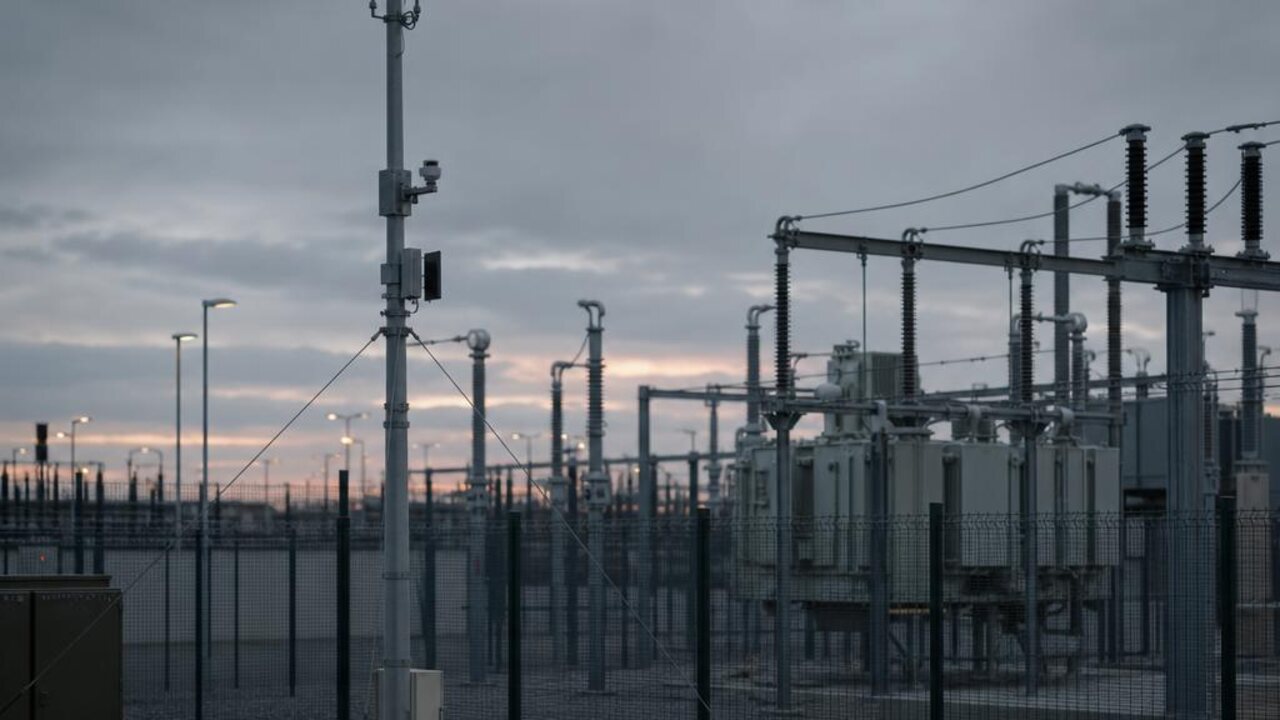
Passive radar for critical-infrastructure surveillance explained
Passive radar detects aircraft and drones without transmitting anything, using the broadcast signals already in the air. Why that matters for guarding infrastructure that cannot advertise its defences.

Cybersecurity for financial firms: operational resilience and OT
Finance is critical infrastructure too. Why regulators now demand demonstrated operational resilience from financial firms, and where OT-style thinking enters banking security.

How to secure a ship's OT systems when the crew is the whole IT department
A ship is an industrial plant that sails away from its help. Securing its operational technology means designing for the day the vessel is alone at sea with a problem no one ashore can touch in time.

Port cybersecurity: the target is the choke point, not the servers
A port is where a nation's trade narrows to a few berths and cranes. Attackers understand that concentration better than most operators do. What it takes to defend the machinery that moves the boxes.

Fleet network security: when the same weakness sails on every hull
Securing one ship is a vessel problem. Securing a fleet is a management problem, because a common build means a common flaw, and the answer has to reach hulls that are scattered across the world and often out of contact.
Non-destructive testing
05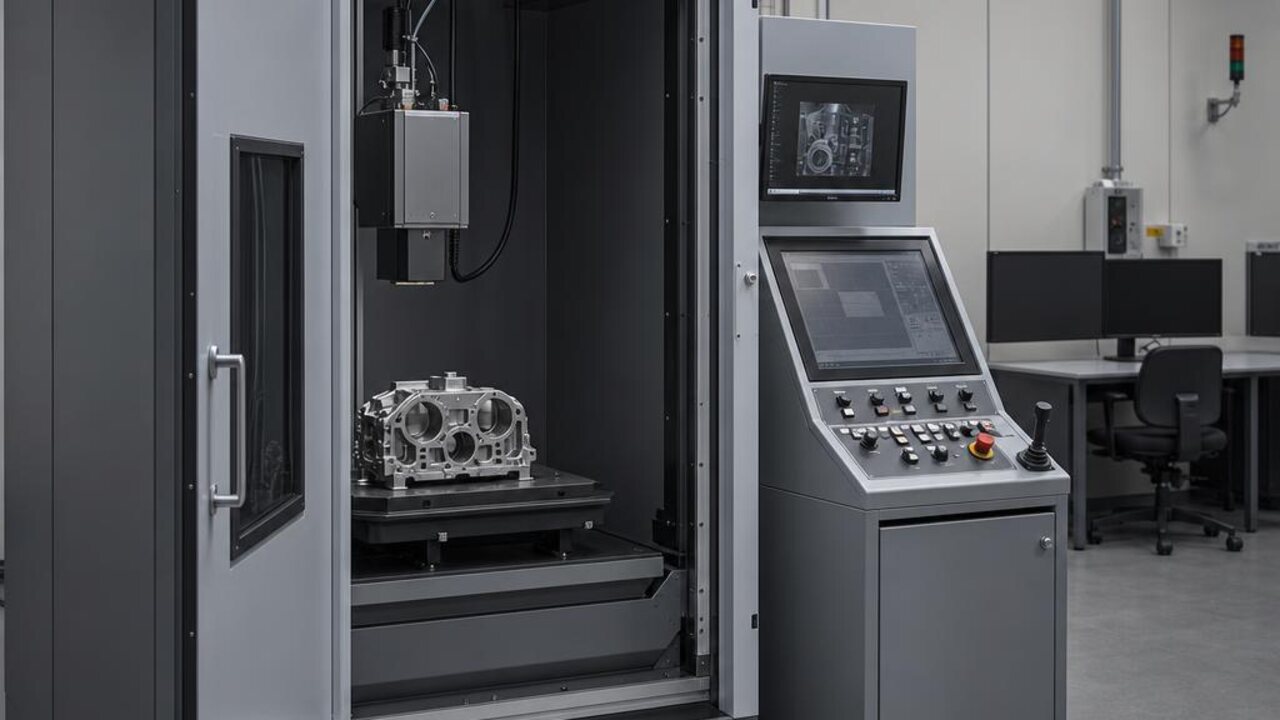
Non-destructive testing (NDT) equipment: a buyer's guide
What NDT equipment does, the main method families, and how a defence or industrial buyer should structure an equipment procurement, from requirement to standards to sustainment.
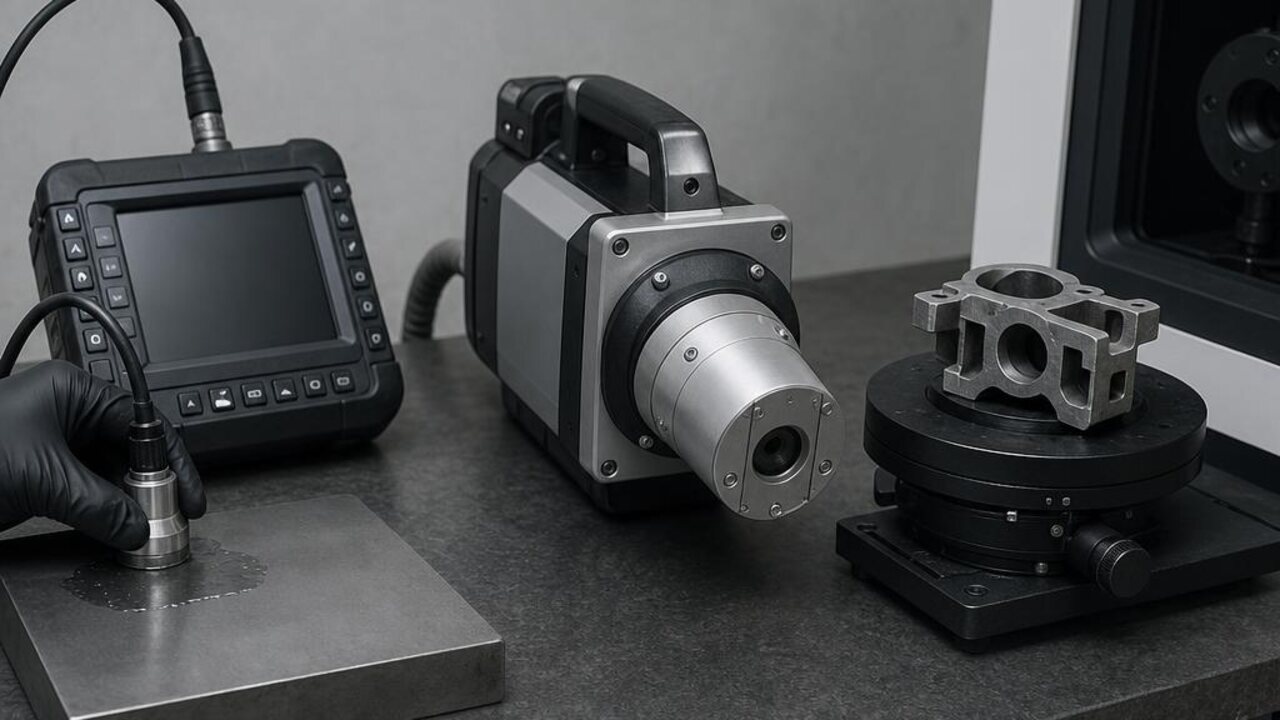
X-ray vs CT vs ultrasonic NDT: choosing the right method
The three workhorse volumetric inspection methods compared: what each one sees, where each fits, and how inspection programmes combine them.
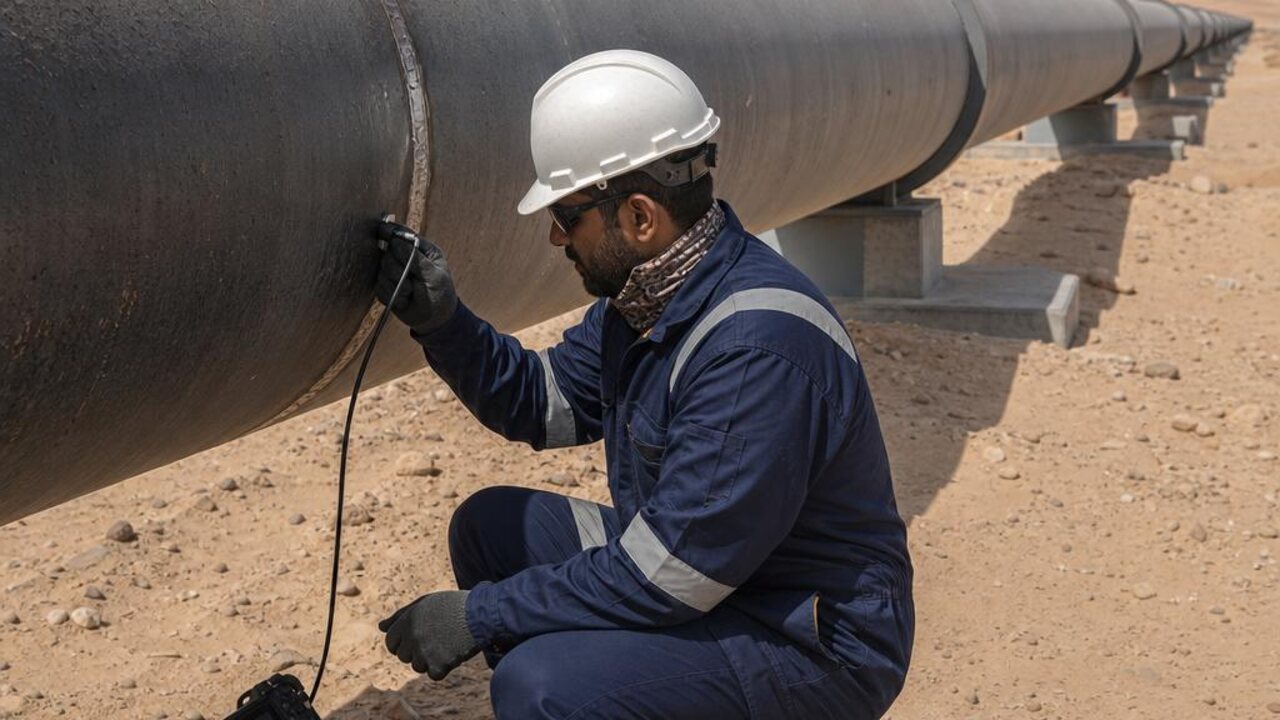
NDT for oil & gas pipeline integrity in the Gulf
Why pipeline integrity is a national-security function in Gulf energy states, and how radiographic and ultrasonic inspection programmes keep hydrocarbon infrastructure sound.
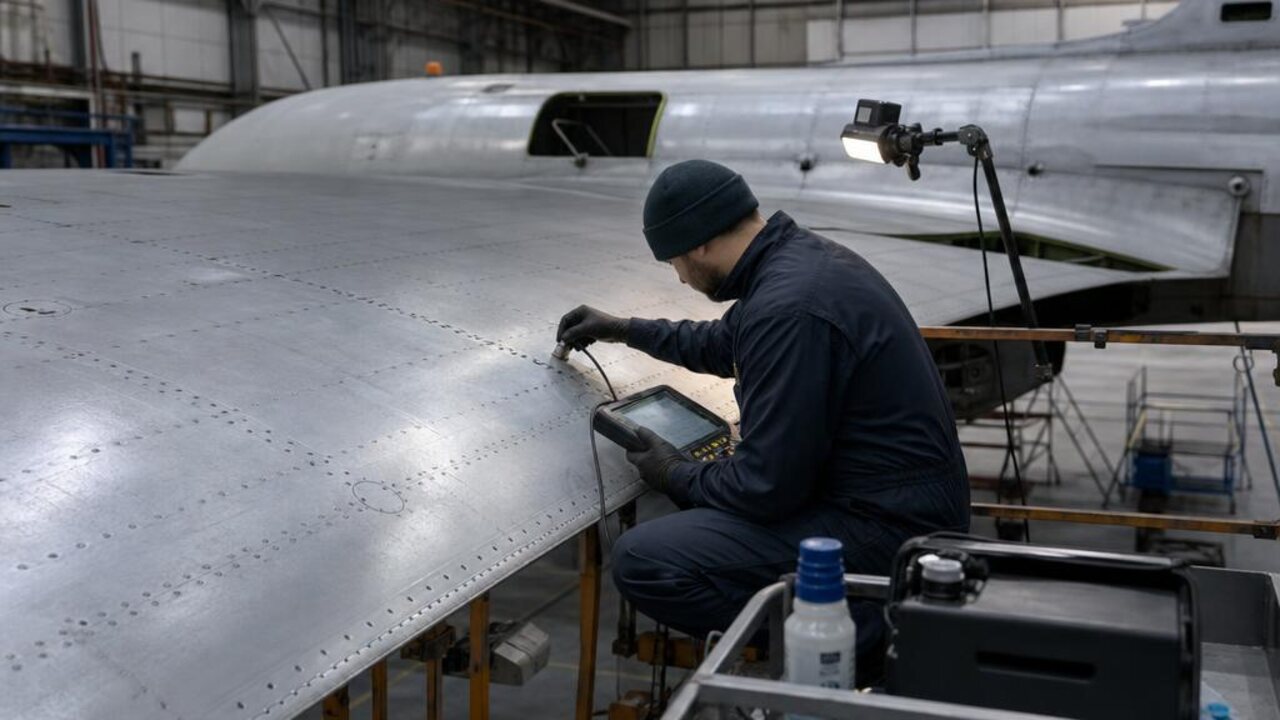
Aerospace MRO non-destructive testing requirements explained
How maintenance, repair and overhaul organisations use NDT to keep aircraft airworthy: the methods, the personnel-certification regimes and what an MRO should demand of its equipment.

How to evaluate an NDT equipment supplier for defence QA
A structured way to assess non-destructive testing suppliers for defence quality assurance: capability substantiation, standards coverage, training and the sustainment test.

Digital radiography vs film: cost and compliance for inspection labs
Why inspection labs are moving from film to digital radiography: the workflow, cost-structure and compliance differences, and what a conversion actually involves.

Setting up an in-house NDT capability: equipment, standards, certification
What it takes for a defence organisation or industrial operator to stand up its own inspection capability: the sequence from requirement to certified operation.
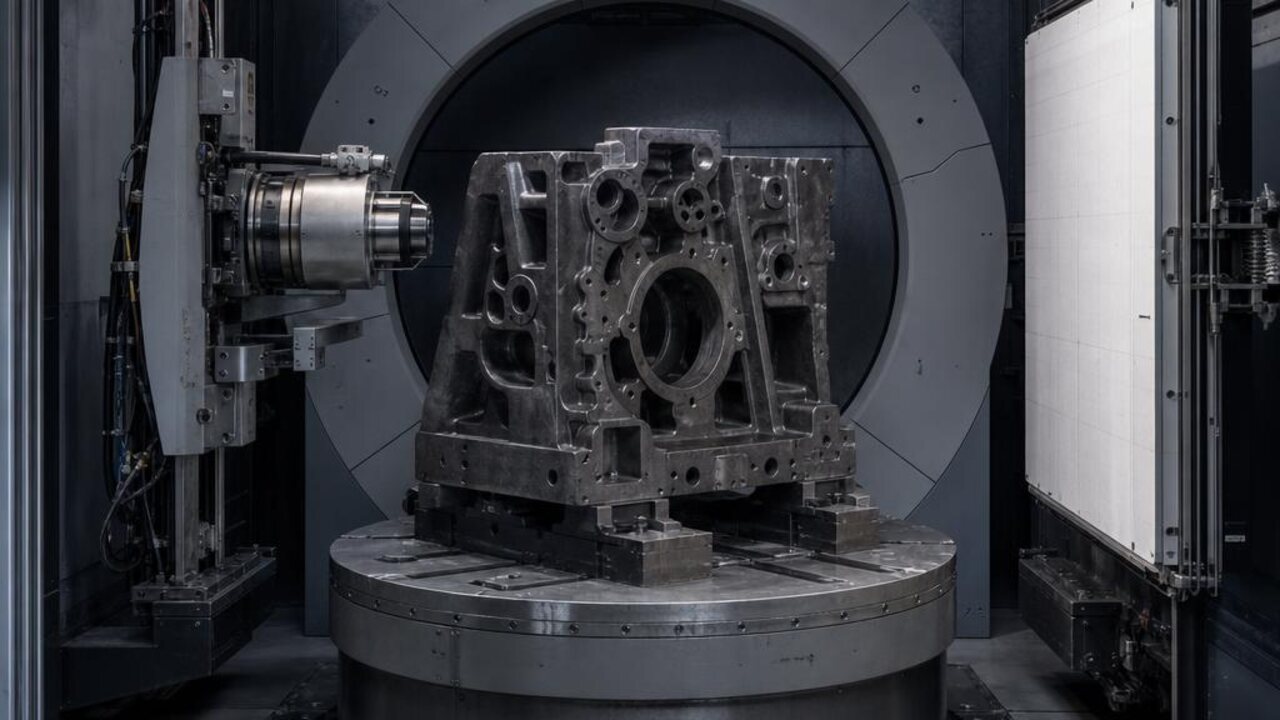
High-energy CT for castings and additively-manufactured parts
Why dense castings and metal additive parts need high-energy computed tomography: what the technique reveals that nothing else can, and how buyers should scope a system.
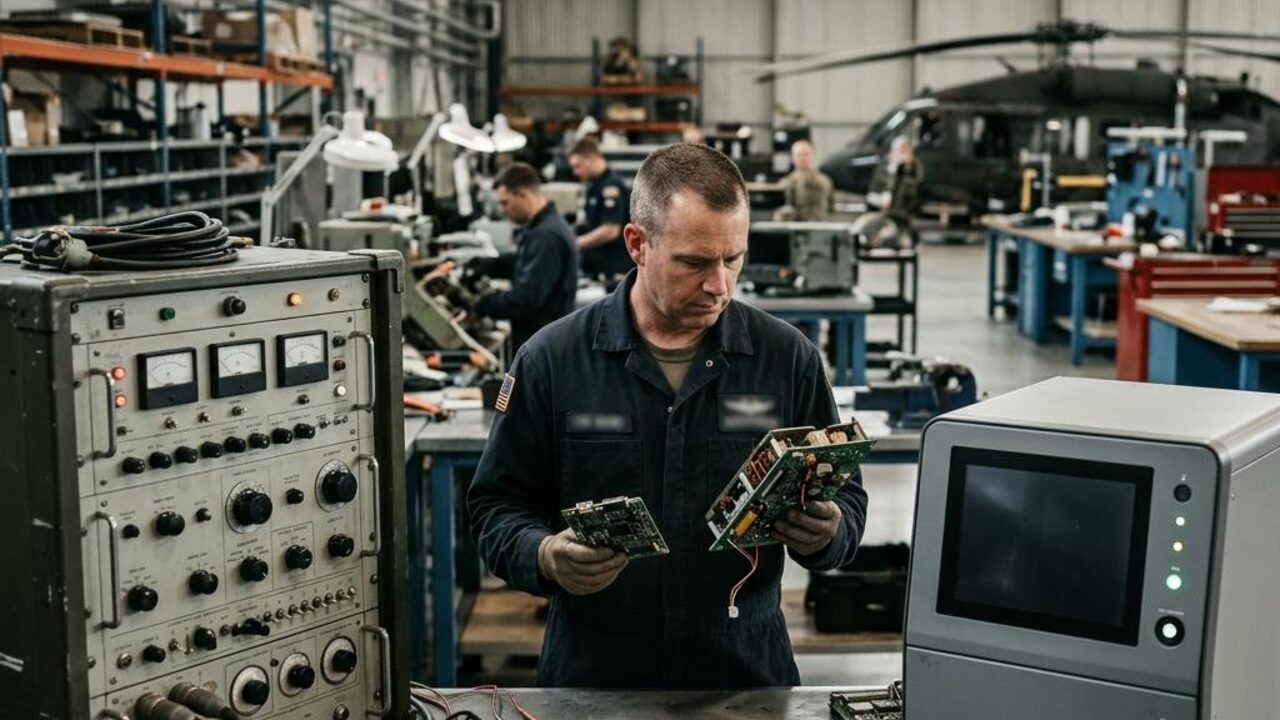
An obsolescence plan for defence electronics: decide before the part disappears
Defence electronics outlive the components they are built from by decades. An obsolescence plan is the difference between deciding what to do about a vanished part on your own timetable and discovering it when a repair fails.
Sovereign programmes & industry
06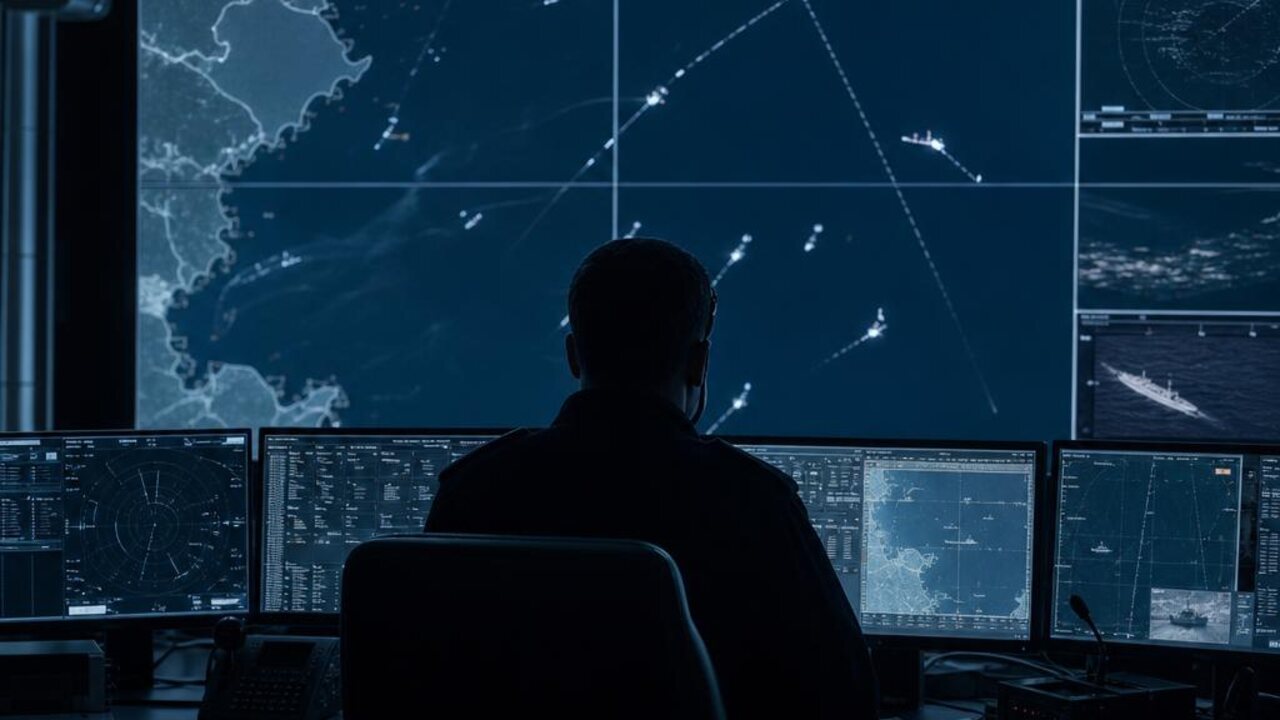
Satellite illegal-fishing detection: how it works
Satellite illegal-fishing detection turns an unwatchable exclusive economic zone into a picture a coastal state can act on. How space-based sensing finds the vessels that switch off their transponders, and what it takes to enforce against them.
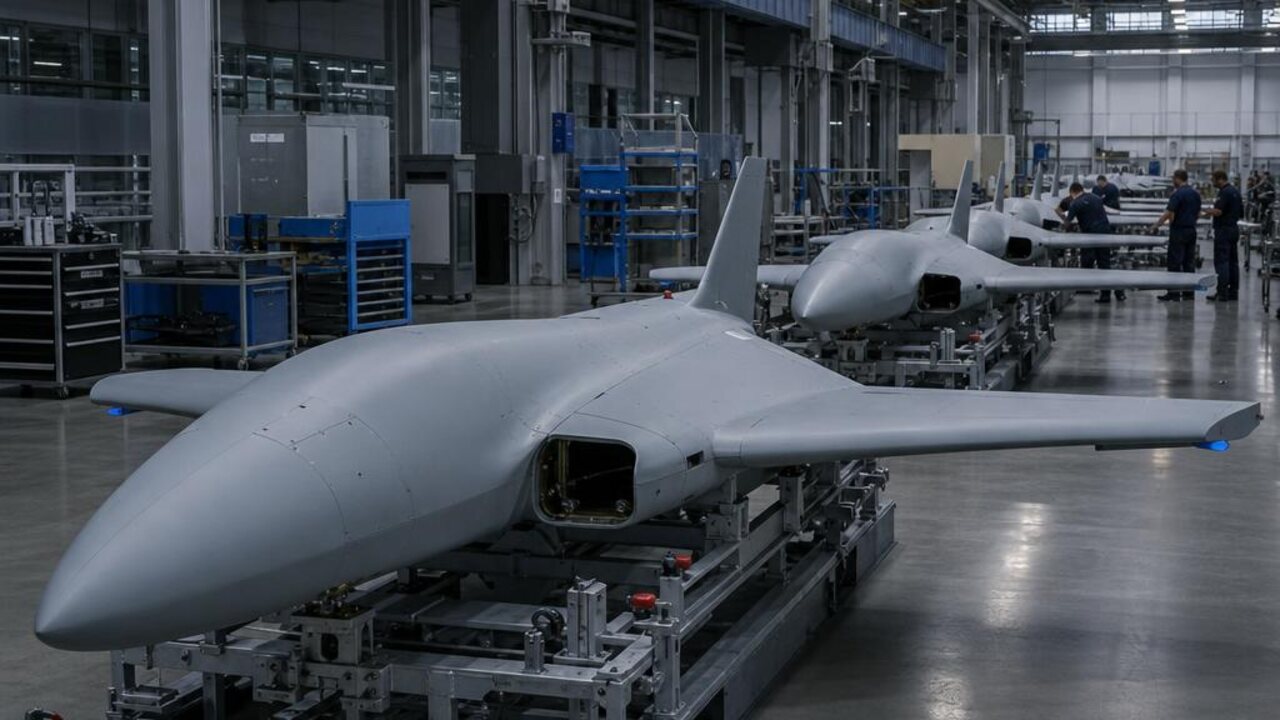
Sovereign drone manufacturing: building production at home
Sovereign drone manufacturing moves the production line onto national soil rather than importing finished airframes. What licensed local manufacture involves, why states increasingly demand it, and how to build it so it lasts.

National ground-station installation: the sovereign ground segment
A satellite you cannot command is someone else's asset. National ground-station installation gives a state control of its own space capability from the ground up: what it involves, and why the ground segment is where sovereignty is really decided.

Defence technology transfer explained: offset, ICV and real sovereignty
Defence technology transfer is written into more procurement contracts every year, but the word covers everything from a brochure translation to a genuine national industry. A plain guide to what it means, what it does not, and how to specify it so it delivers.

Obsolescence engineering for military platforms
Military platforms outlive the parts they are built from. Obsolescence engineering is the discipline of keeping ships, aircraft and vehicles fighting when their original components are no longer made, and of building the sovereign capability to do it at home.
Argument, not announcement
These pieces take a position a reader can disagree with. The non-aligned sourcing case, the economics of cheap threats, the limits of a single-supplier posture: each is an argument backed by reasoning, not a press release dressed up as thought leadership.
Written for the person who signs
A buyer defends a decision to a minister, a board or an auditor. The insights are written to arm that defence: to give the reader the reasoning, the trade-offs and the counter-arguments they will meet when the choice is questioned.
Grounded in the catalogue
The analysis stays tied to systems we can actually place, so it never floats into abstraction. Where a piece makes a claim, it rests on the same grounded description the product pages use, not on figures conjured for effect.
Why the thinking protects the buyer
A well-argued position is a form of protection in itself. A buyer who understands why a sovereign, non-aligned approach reduces risk is harder to talk into a dependency they will regret. These pieces exist to make that reader harder to fool.
None of this is neutral, and we do not pretend it is. We carry a view about how smaller and non-aligned states should source their defence, and the insights lay out the reasoning so a reader can test it against their own circumstances rather than accept it on trust.