
12 May 2026
What an air gap really is
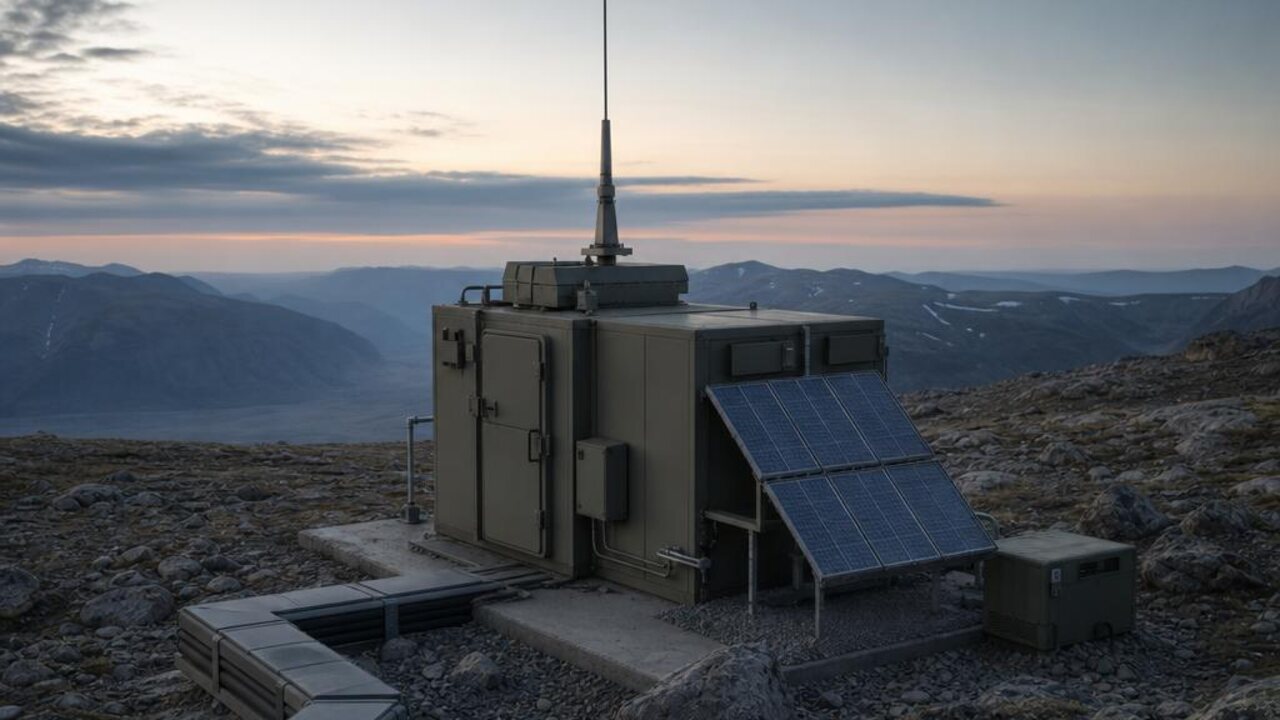
An air-gapped system has no network connection to the outside world; an off-grid installation operates without external infrastructure altogether, common for border posts, island facilities, remote energy sites and sensitive defence installations. Isolation removes the remote attacker's easiest path. What it does not do is make a system secure by itself.
How air gaps erode
In practice, gaps are crossed constantly: USB media carrying updates and data, maintenance laptops moving between sites, temporary vendor connections during commissioning that are never removed, and well-meaning workarounds by staff who need data out. Notorious industrial intrusions have crossed air gaps on removable media. The gap that is assumed rather than verified is the dangerous one.
Securing genuinely isolated sites
Disciplined isolation is a full regime: controlled and scanned media transfer through defined gateways, hardware-enforced unidirectional flows where data must leave, strict device and maintenance-equipment control, local monitoring that does not depend on a cloud connection, and physical security integrated with the cyber regime, because at a remote site, the two are the same perimeter.
Designing for disconnection
Off-grid security also inverts a modern assumption: most contemporary security tooling quietly expects internet connectivity for updates, telemetry and management. Remote installations need tooling designed to operate autonomously (local analysis, local storage, update mechanisms that work over controlled media) and sustainment arrangements that reach the site physically, not just electronically.
The lesson for remote-site owners
For programmes running border posts, island facilities and sensitive defence installations, the practical conclusion is to stop trusting an air gap you have not verified. Isolation protects a site only when it is governed as a full regime: controlled and scanned media transfer through defined gateways, hardware-enforced one-way flows where data must leave, strict device and maintenance-equipment discipline, and physical security treated as one perimeter with the cyber controls. The second advantage comes from tooling designed for disconnection: local monitoring, local analysis and update mechanisms that work over controlled media rather than assuming a live internet link. Sustainment must reach the site physically, not just electronically, so support does not fail the moment the connection does. Owners who build for genuine autonomy keep the mission protected where the network cannot follow.
