
Veto the Veto
Buying the system does not buy control.
Contracts can secure hardware. They cannot force another government to approve a transfer, release a component or keep support running. These 134 cases show the limit of a contract: the supplying government can still say no.
Cases by year
All years
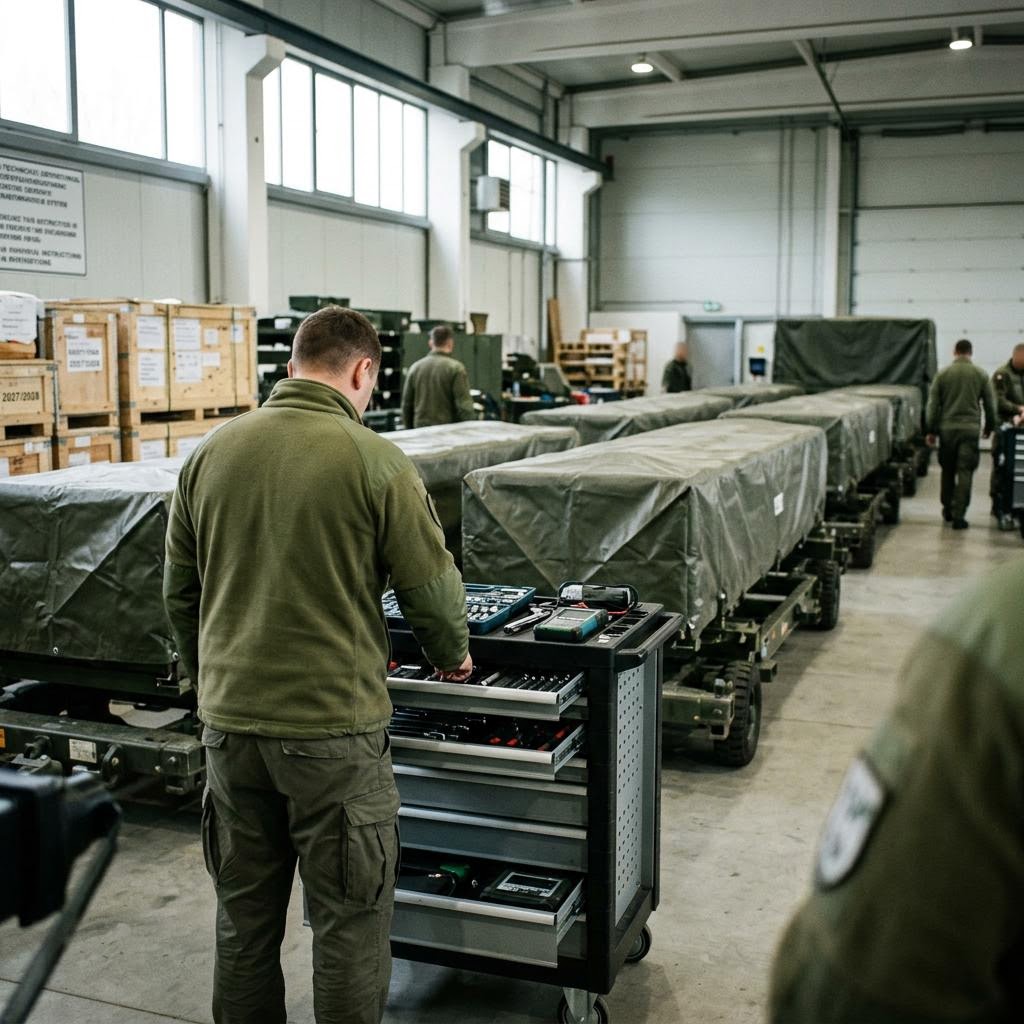
Ukraine contracted 1,000 Patriot missiles. Most are not for immediate delivery.
Ukraine is contracting about 1,000 Patriot missiles, but its minister says most will arrive in coming years.
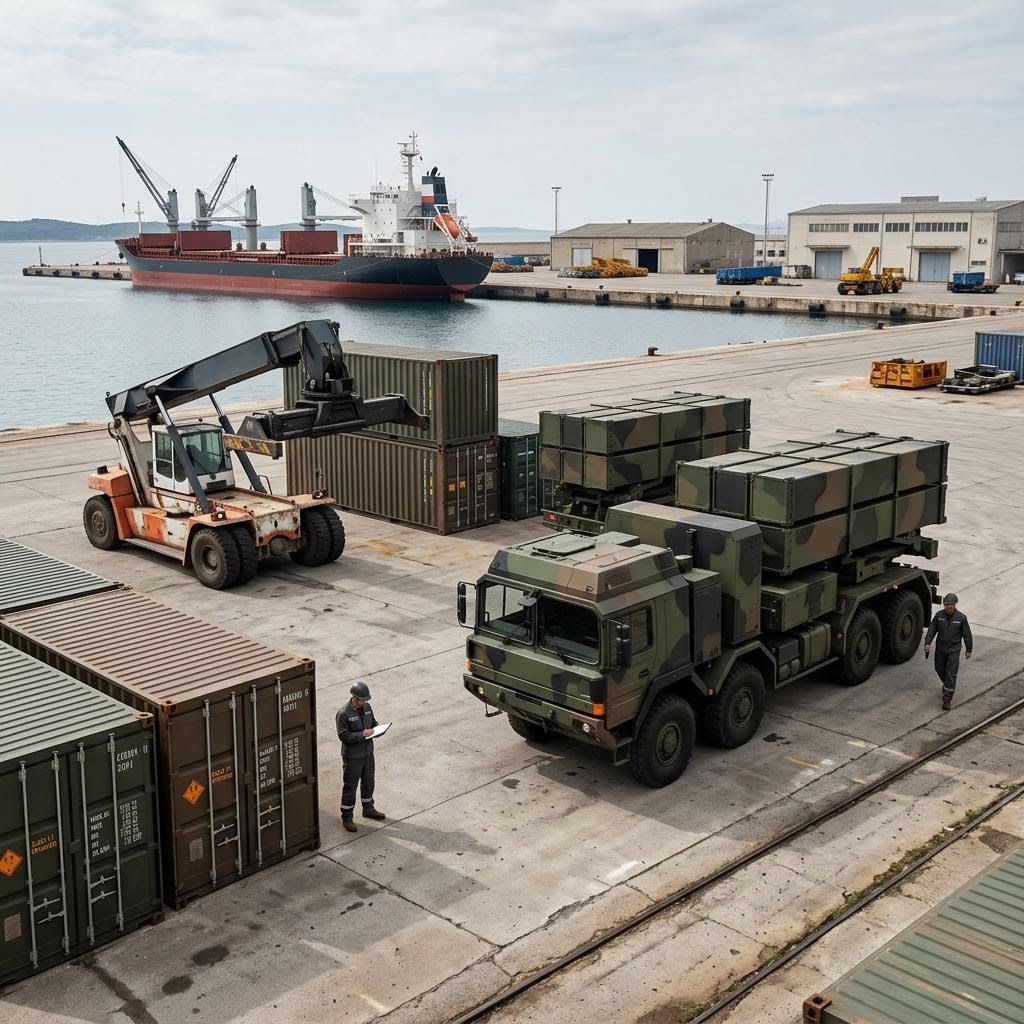
Croatia bought Chunmoo after ordering HIMARS
Croatia’s 18-launcher Chunmoo programme adds a Korean route after its US HIMARS order.
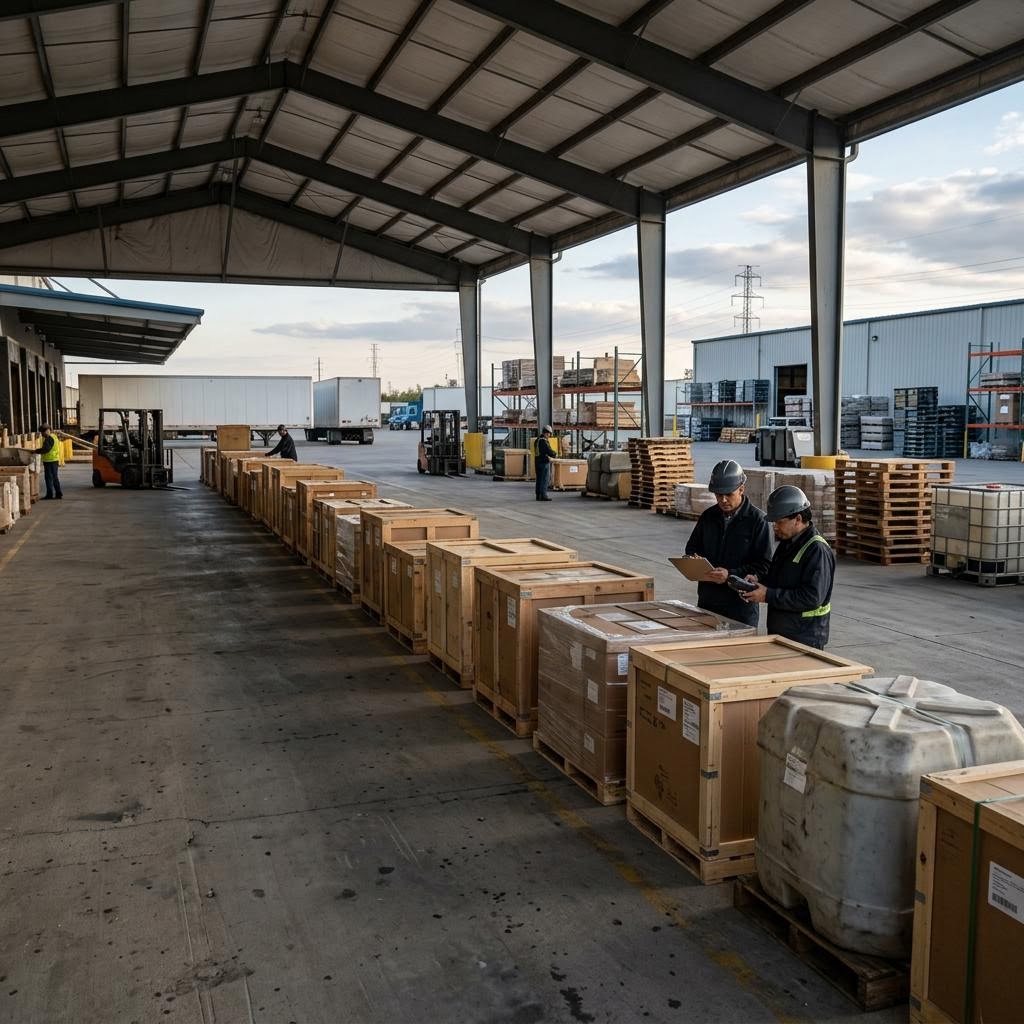
Some Chinese firms stopped US rare-earth shipments. Others kept trading.
Some Chinese rare-earth firms reportedly halted US shipments, putting attention on the materials before production.
India wants Rafale software access. France calls it sensitive.
India’s reported search for Rafale software access shows where ownership of an aircraft can stop.
India listed 914 defence imports it wants to stop buying
India’s six indigenisation lists cover 914 items. The procurement rule comes before the production proof.
Bulgaria’s second F-16 batch may wait until 2030
Bulgaria asked Lockheed Martin to accelerate a second F-16 batch reported as at risk of a 2030 delivery.
China put ten US entities on its export-control list
China’s June 2026 export-control listing made Chinese inputs a permission question for ten US entities.
Taiwan heard of a US arms pause after the testimony
Taipei said it had not been notified after US testimony described a pause in foreign military sales.
The EU renewed Myanmar’s arms embargo until April 2027
The EU retained its Myanmar arms embargo and related bans through 30 April 2027.
Taiwan pressed Washington to move its weapons faster
Taiwan’s defence minister said Washington recognised the urgency of speeding delayed weapons deliveries.
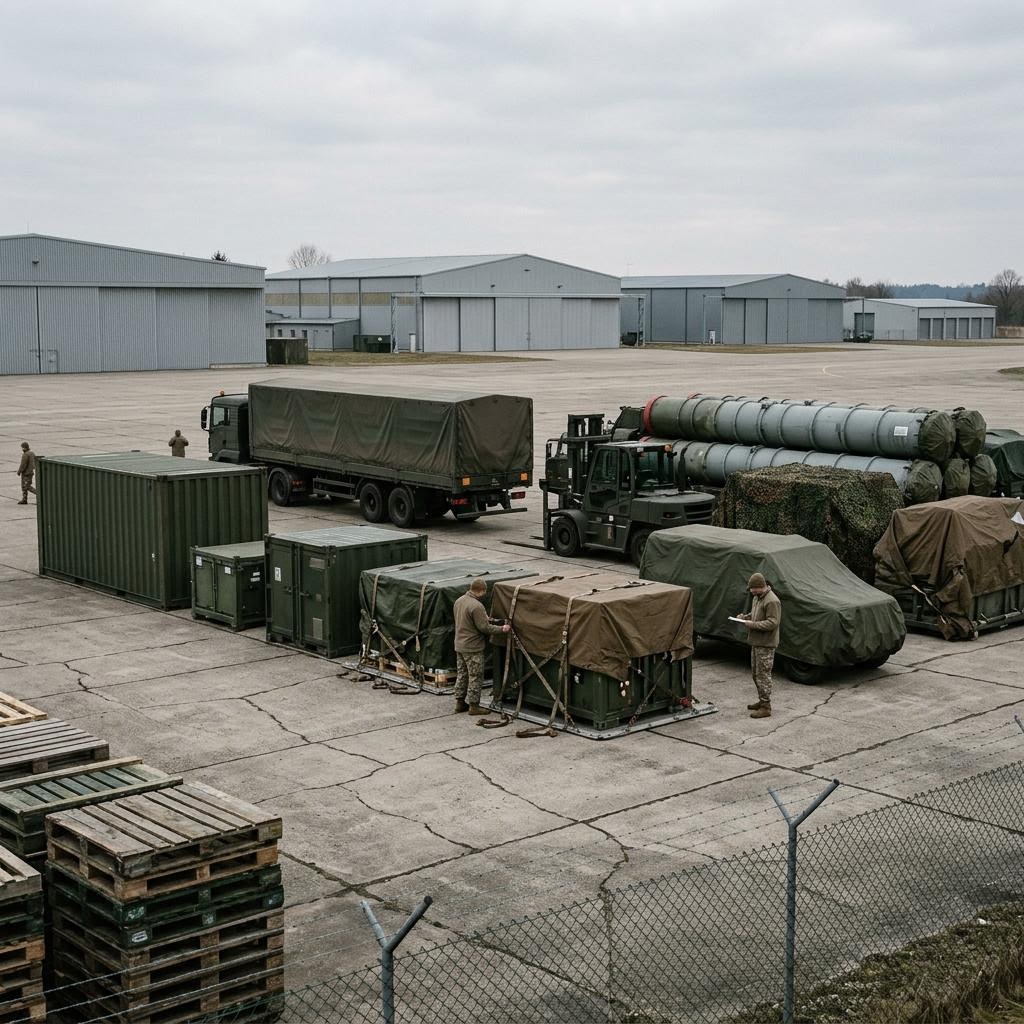
The Iran war could divert Ukraine’s US munitions
Reuters reported that the Iran conflict could divert US PAC-3 interceptors intended for Ukraine.
China’s electronics are alleged to reach Russian missiles through suppliers
An investigation alleges Chinese-origin electronics and suppliers are part of the supply chain for Russian Kalibr and Kh-35U missiles.
Britain’s rare-earth plan starts with a foreign processing problem
UK diversification plans confront China’s processing role, the stage that turns ore into usable rare-earth material.
China sanctioned 20 US defence companies over Taiwan sales
China’s December 2025 measures targeted 20 US defence companies and 10 people over Taiwan arms sales.
Slovakia said no to further military funding for Ukraine
Slovakia’s prime minister said the country would not provide further funding for Ukraine’s military needs.
NATO’s procurement agency suspended Elbit and Orion
Reporting says NSPA’s suspension of Elbit and Orion barred new tenders and put some contracts on hold.
Switzerland eased the export rules its arms industry had fought
Swiss parliament agreed to ease arms-export and re-export rules while retaining the licensing power at the centre of the dispute.
Saudi Arabia may get F-35s. Israel keeps the advanced features.
Reuters reported that planned Saudi F-35s would lack some advanced features available to Israel. The sale still required a qualitative-military-edge review and congressional approval, so the report does not establish a final configuration or delivery.
Taiwan ordered 66 F-16Vs. The full order slipped past 2026.
Taiwan said production-line relocations and disruptions pushed the expected delivery of all 66 F-16Vs beyond the original end-2026 plan. Torpedoes and glide bombs also slipped, while HIMARS deliveries were ahead of schedule.
Europe needs China’s rare-earth technology. China kept the licence.
China’s October 2025 licensing rules reached rare-earth technology and battery-chain machinery. ECFR said fewer than 15% of European rare-earth licence requests had cleared by early September.
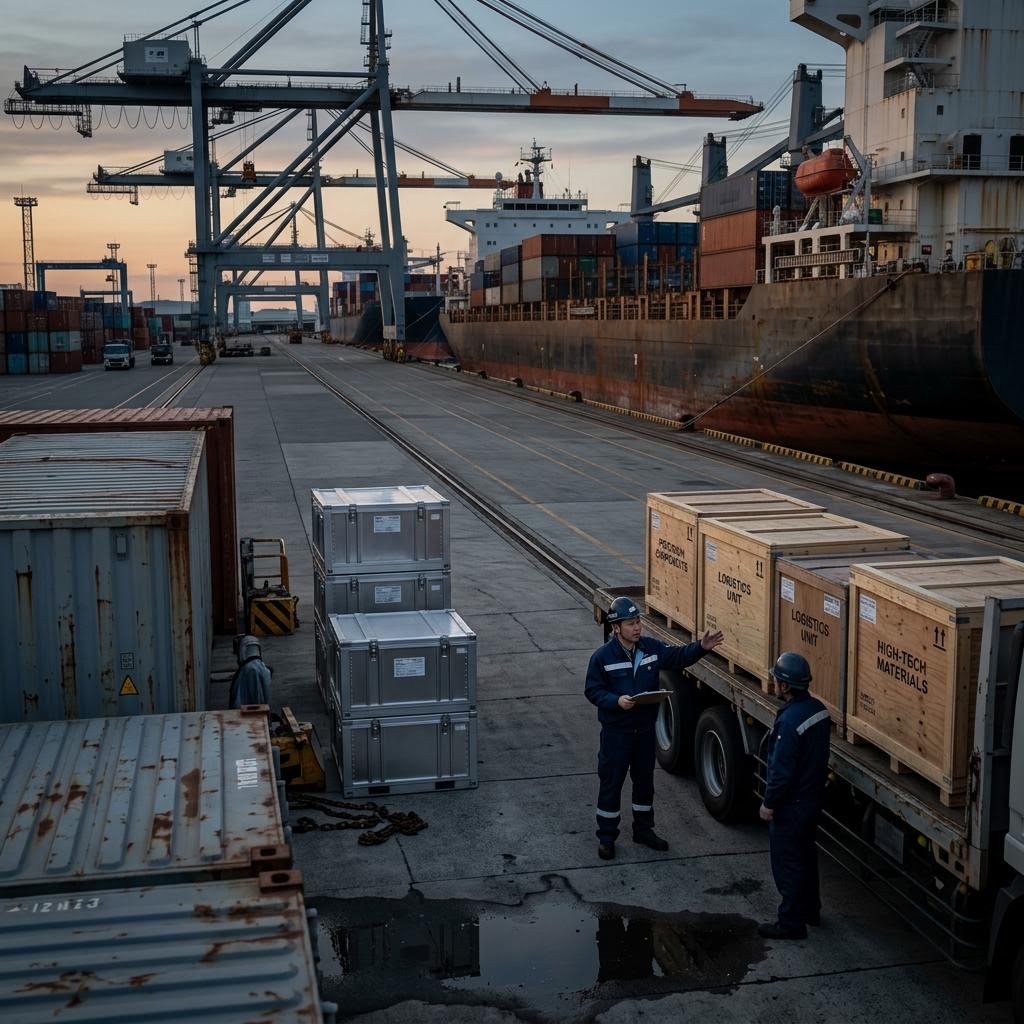
China’s rare-earth rules reached Japanese factories beyond its border.
China’s 9 October 2025 rare-earth controls added downstream licensing exposure for foreign producers using Chinese material or equipment. Japanese production was put at risk, but no shutdown, named programme or refused shipment is established.
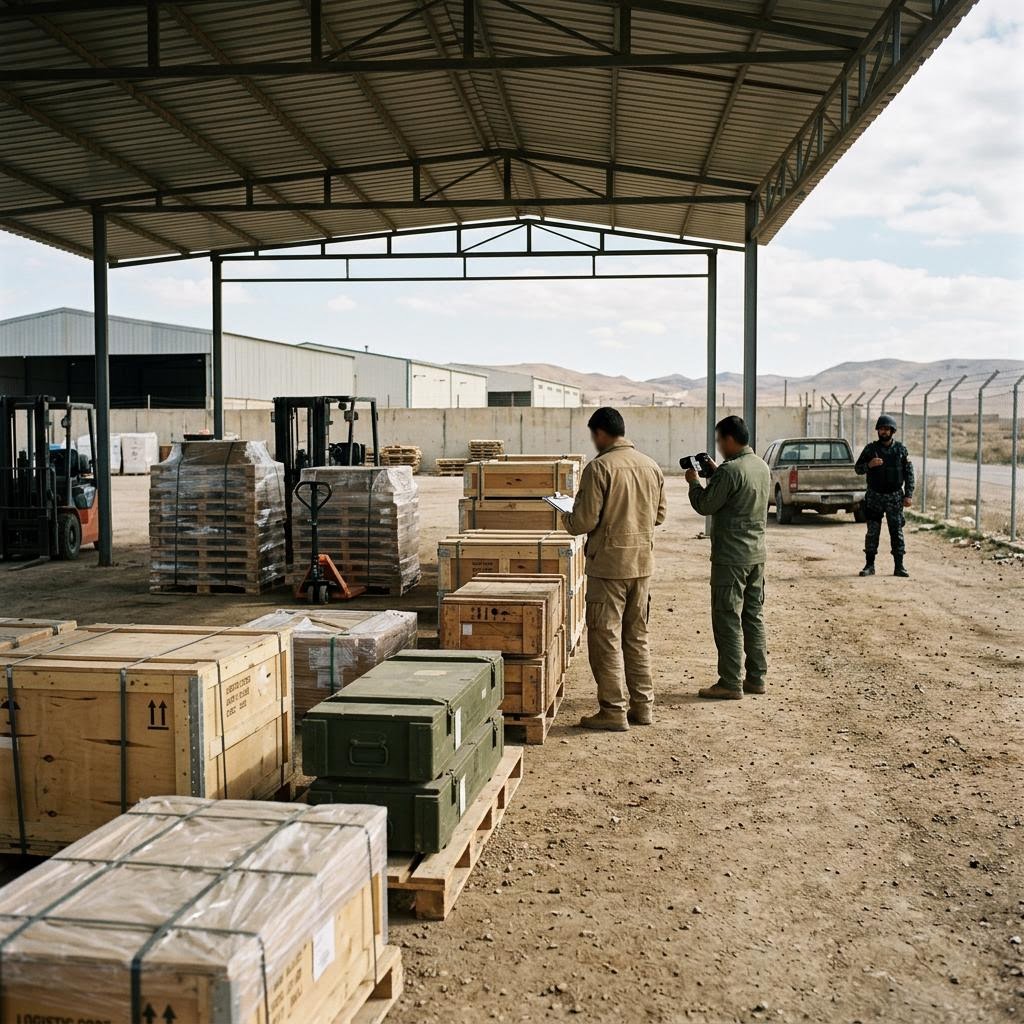
Germany backed Israel for decades. Then it paused Gaza-usable arms.
Germany said on 8 August 2025 that it would not approve military equipment that could be used in Gaza, then moved toward a conditional resumption in November. The record does not establish a total embargo or battlefield effect.
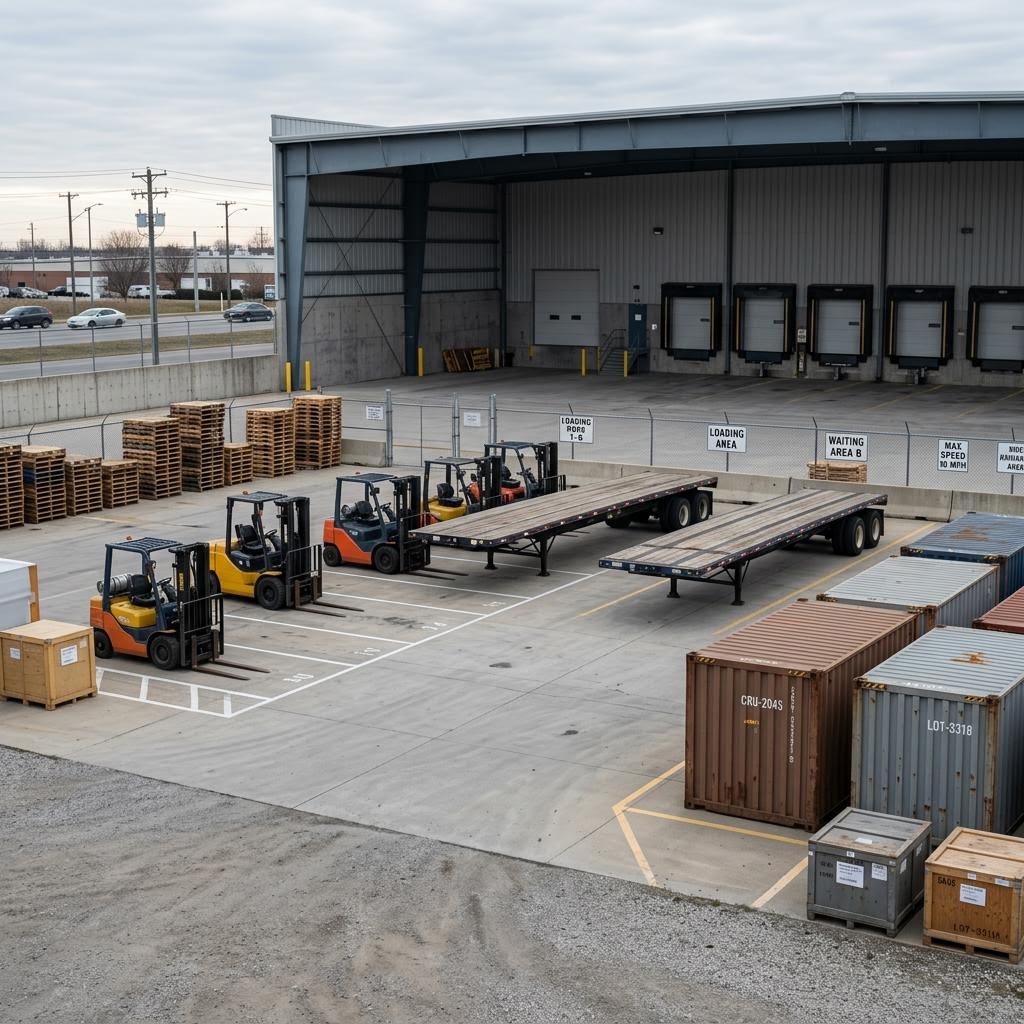
China reopened civilian rare-earth trade. US weapons were left waiting.
The June 2025 US-China trade truce left specialized rare-earth magnets for fighter jets and missiles outside its licence fast track. The evidence shows an unresolved supply dependency, not a named weapon failure or production stoppage.
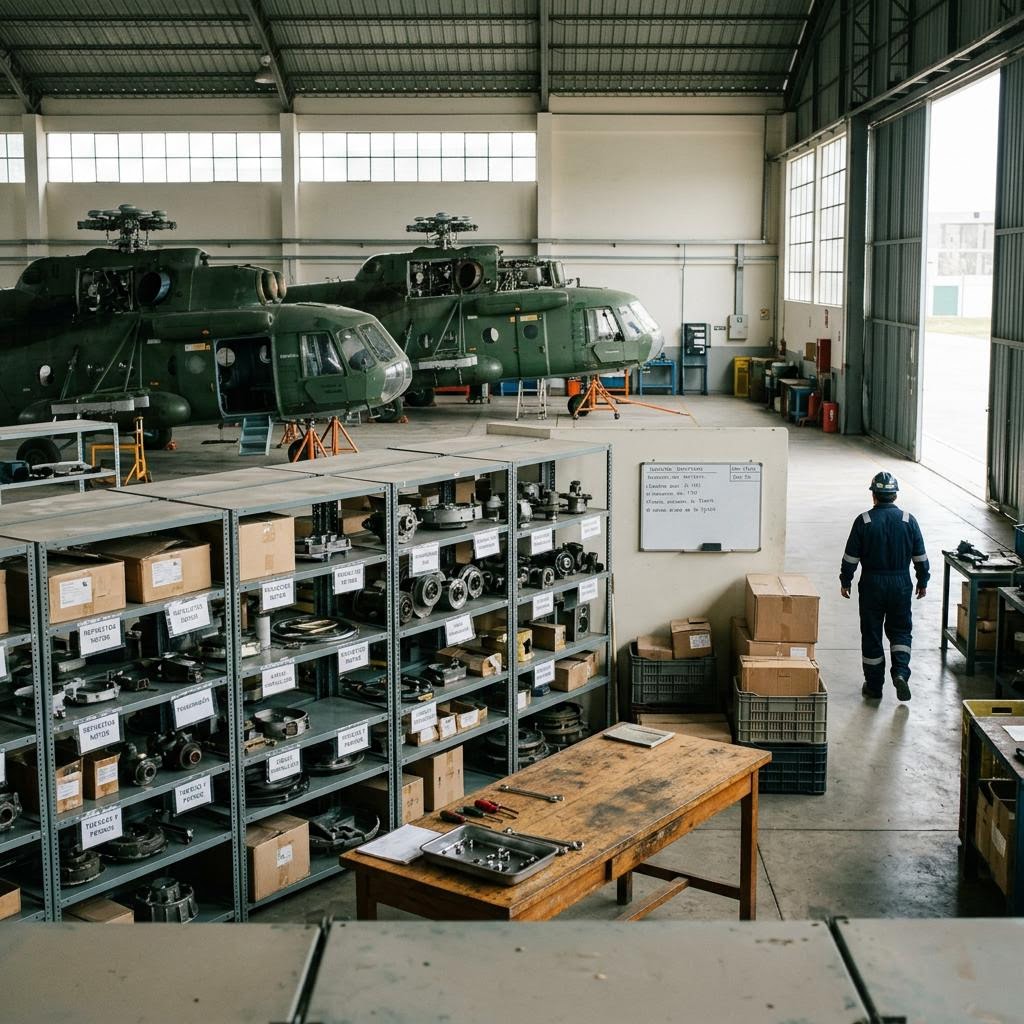
Peru paid $20.3 million for helicopter repairs. Three aircraft still waited.
Three Peruvian Mi-171 helicopters missed an October 2024 overhaul deadline after two extensions. Peru rejected a further 151-day request and imposed an approximately $1.9 million penalty, while return to service remained unreported.
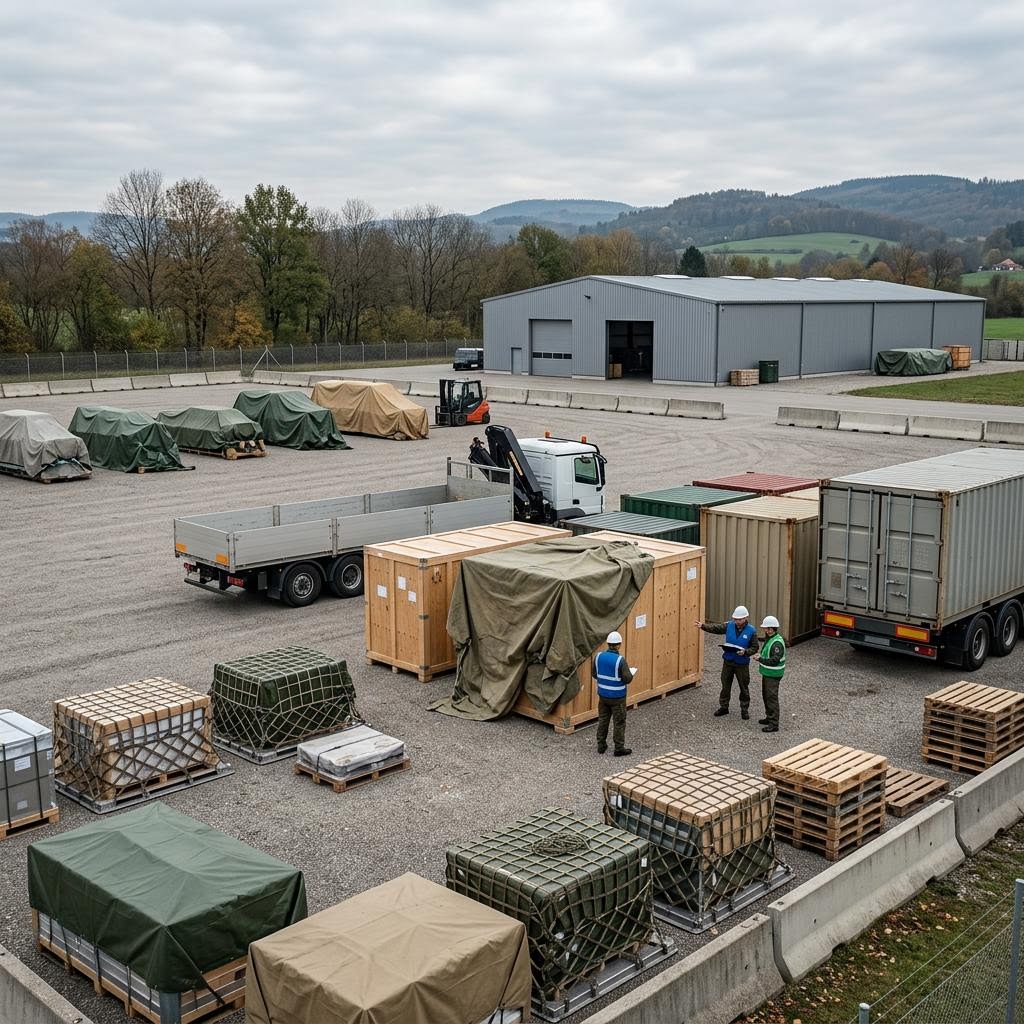
Europe builds defence equipment. China can still hold up the inputs.
China’s 4 April 2025 controls on seven medium and heavy rare earths added export permission to supply chains used by European aerospace and defence industries. Delays were reported, but no named programme or production stoppage is established.
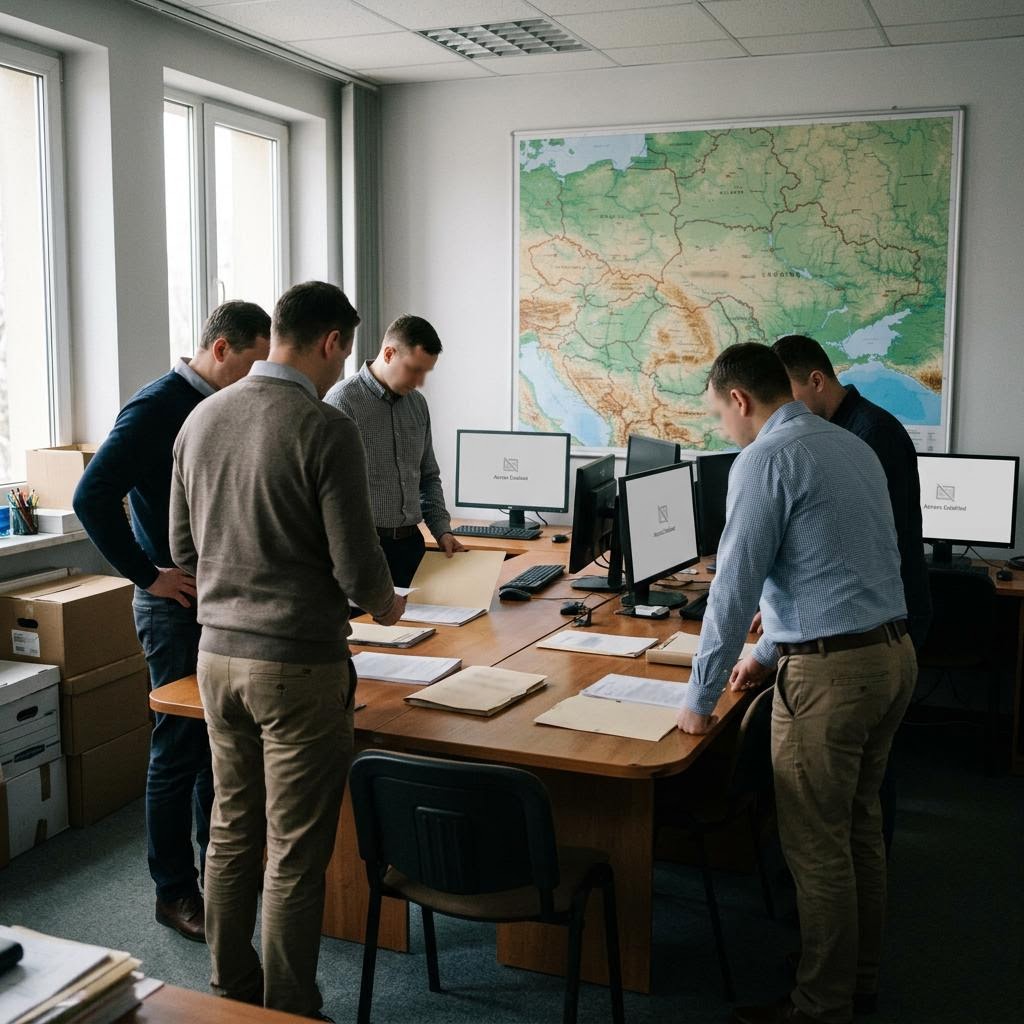
Ukraine lost a US route to satellite images overnight.
The United States disabled Ukraine’s access to Maxar imagery through a government programme during the March 2025 assistance pause. The evidence shows an interruption of one route, not a satellite or intelligence blackout.
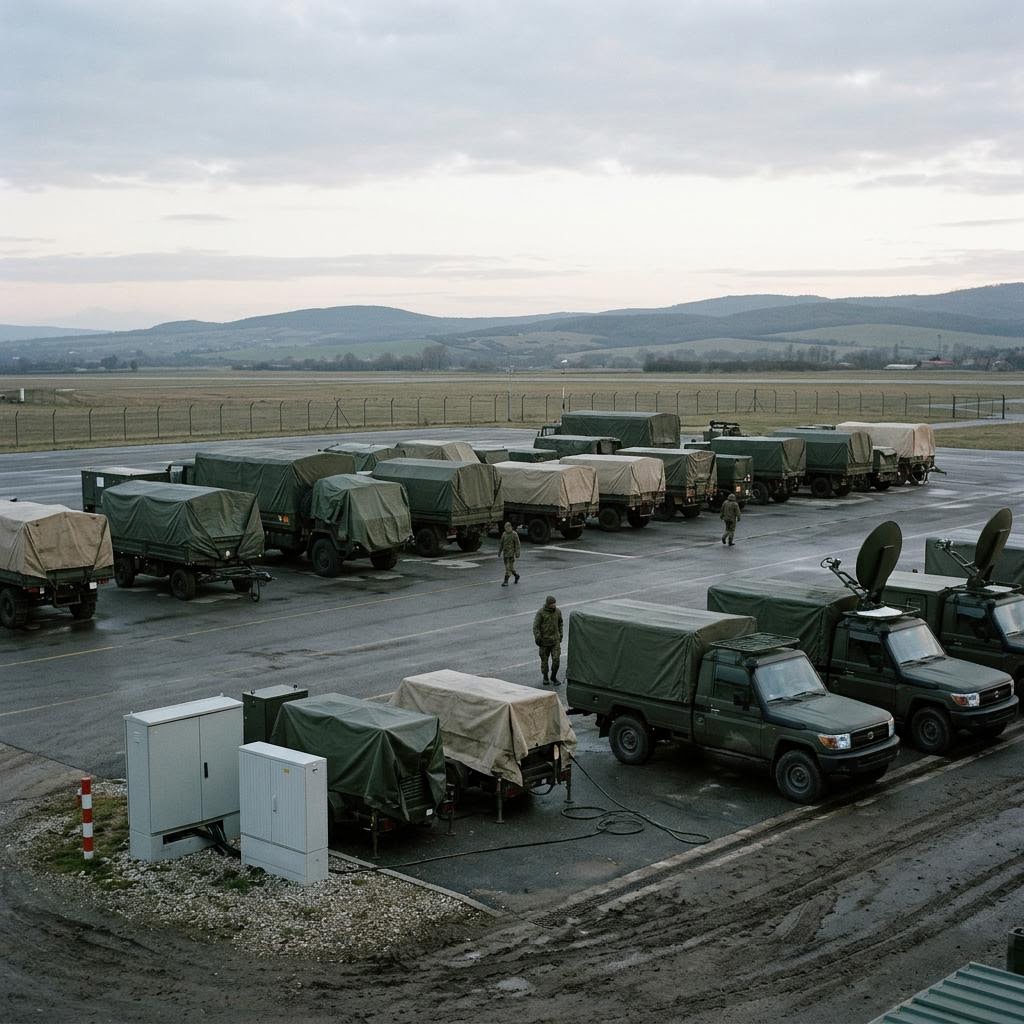
Washington paused Ukraine’s intelligence feed. Then it switched it back on.
The United States paused intelligence sharing with Ukraine on 5 March 2025 after a political rupture, then restored it on 11 March after talks in Saudi Arabia. Reporting disagreed over whether the cut was total or partial, and does not quantify its operational effect.
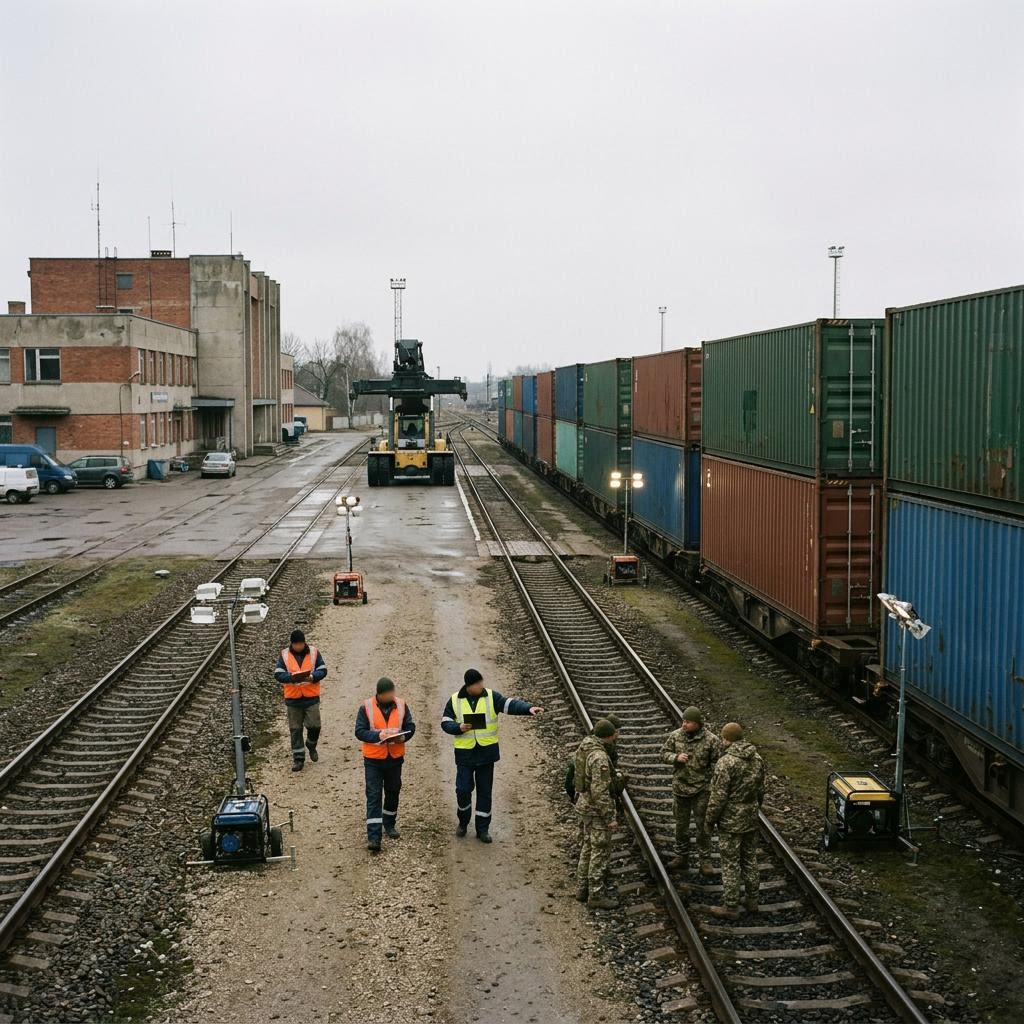
Washington paused Ukraine’s military aid after the Oval Office clash.
The Trump administration paused and reviewed US military aid to Ukraine on 3 March 2025 after a rupture with Kyiv. The announcement disrupted expected deliveries, but the sources did not establish the scope, duration or an immediate battlefield effect.
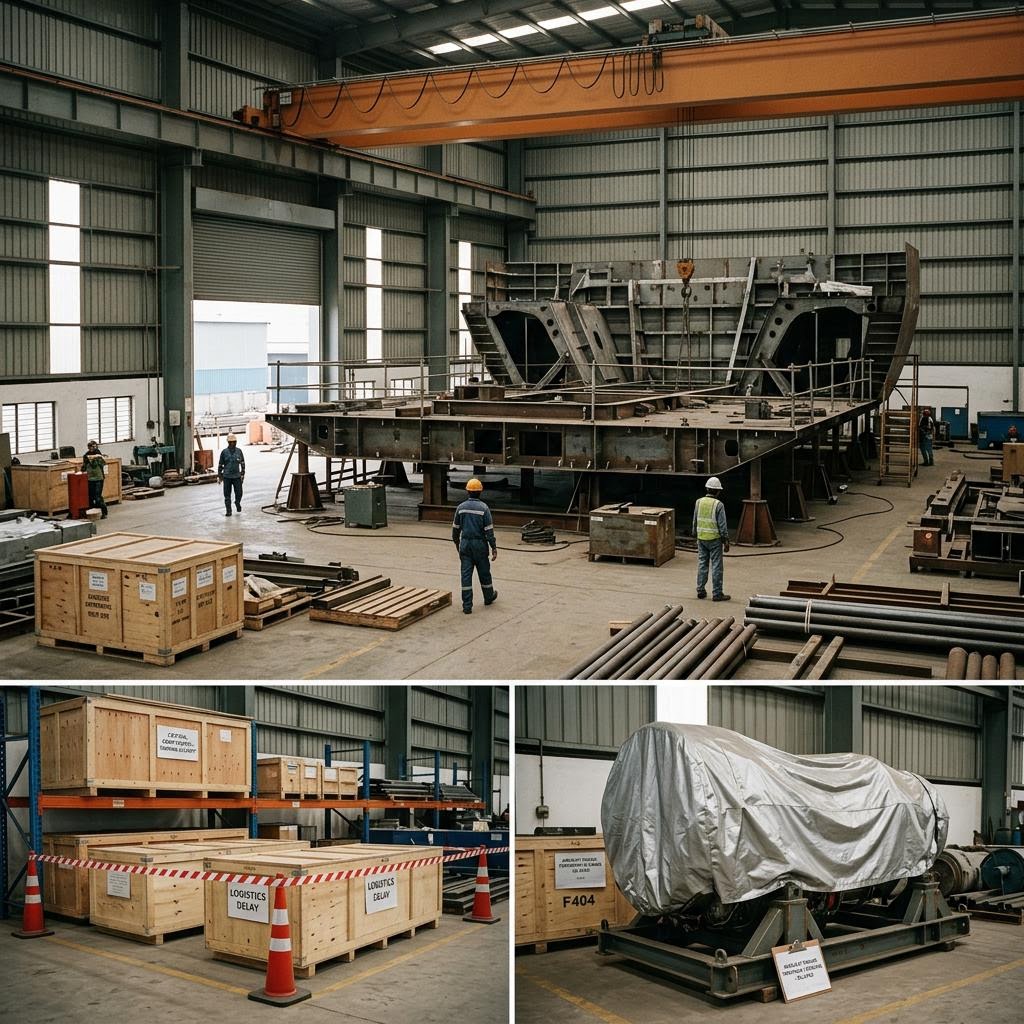
India built Tejas airframes. GE engines set the delivery clock.
GE engine deliveries delayed Tejas Mk1A handovers by nearly 12 months. HAL expected 16 to 24 aircraft in the financial year beginning April 2025, while the Indian Air Force had 31 fighter squadrons against a target of 42. No squadron grounding is established.
Serbia dropped Russian arms deals. Rafales came with a different supplier.
Serbia is cancelling or postponing Russian weapons contracts while searching for supply and maintenance routes elsewhere.
China made drone parts. Then it tightened the export gate.
China’s reported controls on batteries, motors and flight controllers expose the gap between owning a drone and controlling its parts supply.
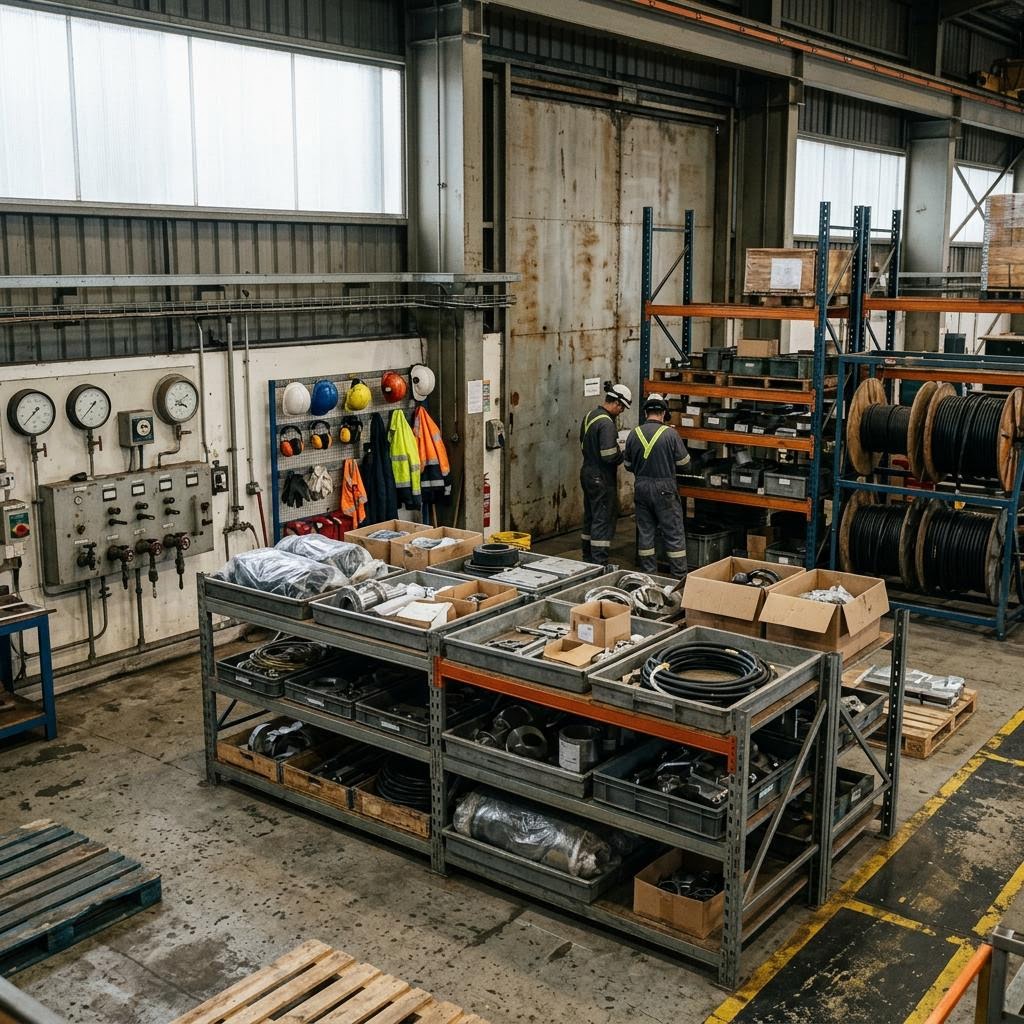
Australia bought into nuclear submarines. Its Collins boats had to last.
Australia planned to extend its Collins-class submarines while developing the AUKUS nuclear-powered fleet. The listed ANAO page is a 2009 sustainment audit, so the case’s 2024 cost, availability and capability-gap claims remain unverified.
US sanctions reached Sudan’s arms network. The purchases did not vanish.
US sanctions on Sudan’s defence-industries director target a weapons-procurement role, but the evidence does not show an industrial shutdown.
Germany slowed arms exports to Israel. Berlin denied an embargo.
Germany put new approvals for weapons of war to Israel on hold in September 2024 while legal challenges were addressed. The evidence shows an approvals constraint, not a total export cutoff or measured loss of Israeli capability.
Britain suspended 30 Israel licences. More than 300 stayed in place.
Britain suspended 30 of roughly 350 arms export licences to Israel on 2 September 2024. The government cited a serious international-humanitarian-law risk, while saying the measure was not an embargo and would not materially affect Israel’s security.
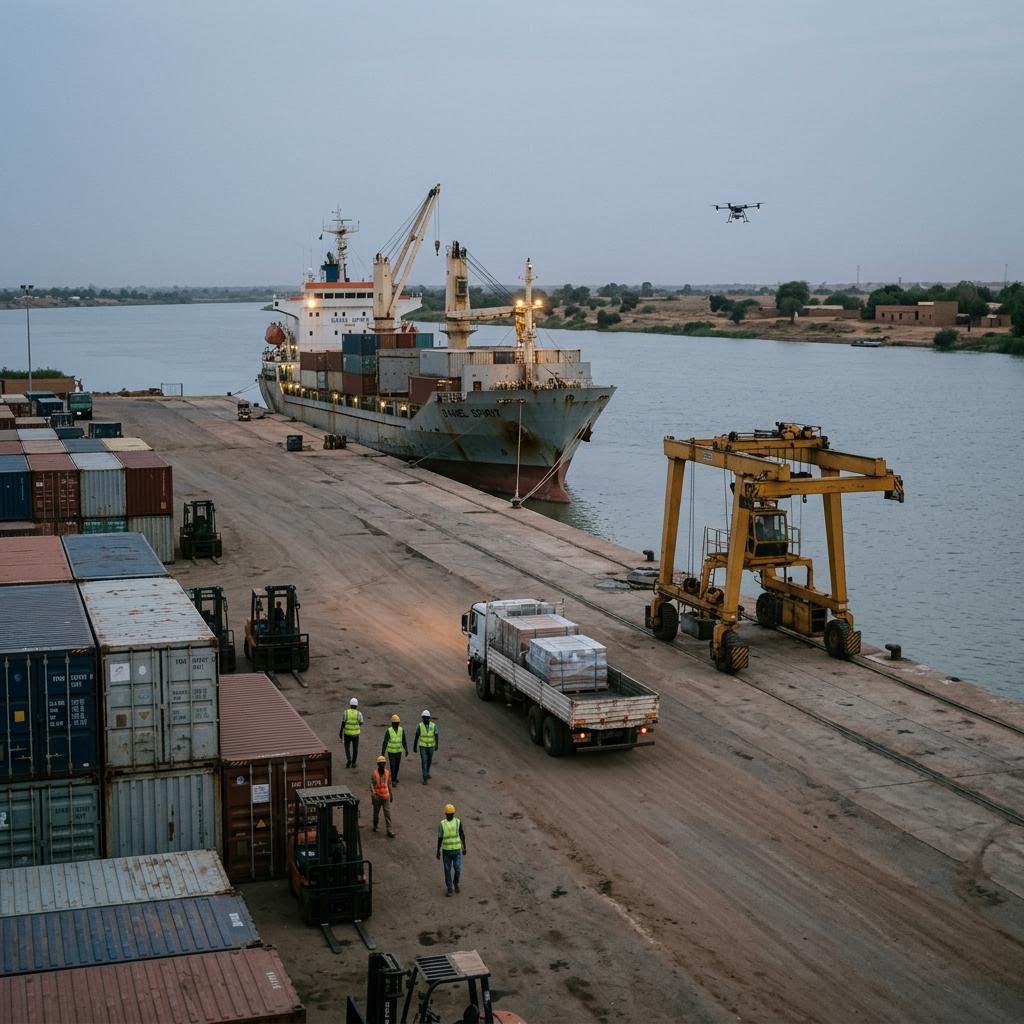
America built a $100 million drone base. Niger told it to leave.
Niger’s junta ordered US forces out after the 2023 coup. The United States left Air Base 101 on 7 July 2024 and completed its withdrawal from Air Base 201 on 5 August, removing a major intelligence site without a quantified regional coverage loss.
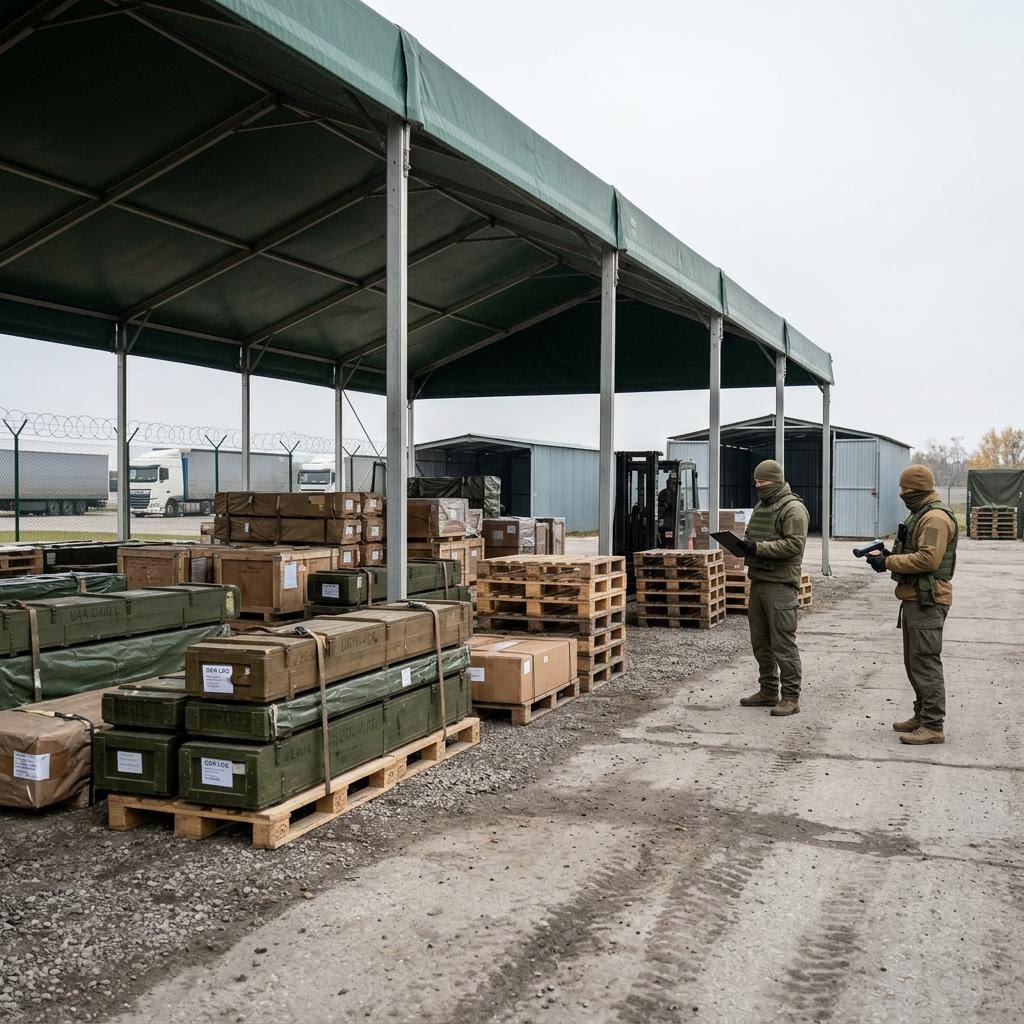
Ukraine could fire near Kharkiv. ATACMS still could not cross the line.
The United States allowed Ukraine to use certain US weapons for counter-fire near Kharkiv in May 2024, while keeping ATACMS and other long-range strikes inside Russia prohibited. The change was conditional, not general.
Hungary held up €6.5 billion for Ukraine. The EU found another route.
Hungary blocked EU measures worth about €6.5 billion in military aid to Ukraine in May 2024, according to Reuters. The figure covered reimbursement and support decisions, not one cash payment, and the evidence does not show that all transfers stopped.
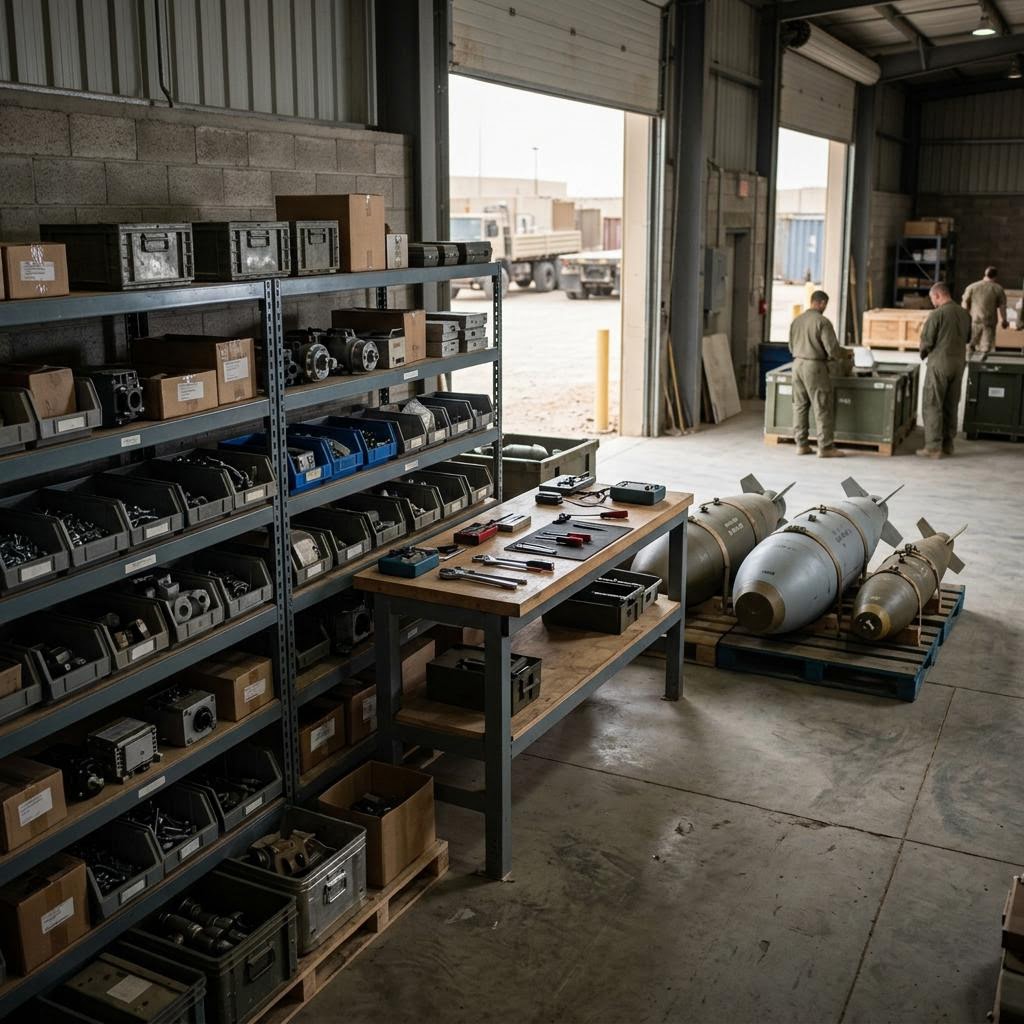
Washington held back one bomb shipment. The rest of the arms flow continued.
The United States paused one shipment of 1,800 2,000-pound bombs and 1,700 500-pound bombs in May 2024 over concern about their possible use in Rafah. Wider US support continued, and the later operational effect is not established.
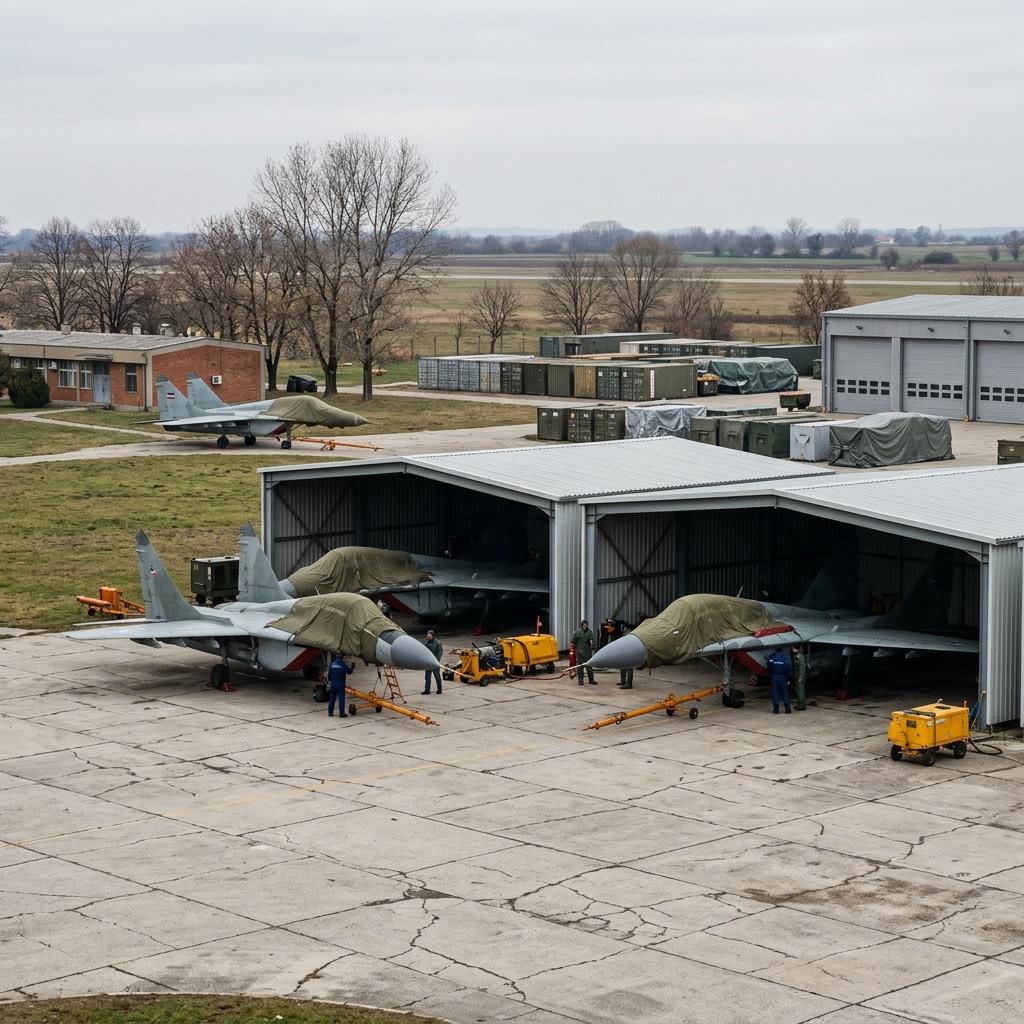
Serbia bought Russian arms for years. Then it turned to Rafale.
Serbia moved towards French Rafales after Aleksandar Vučić said sanctions and logistics isolation had made Russian combat-aircraft acquisitions difficult. In August 2024, Serbia signed for 12 Rafales, but the sources do not prove sanctions were the sole cause.
Ecuador was offered $200 million in US arms. Ukraine sank the swap.
Ecuador cancelled a proposed exchange of outdated Soviet weapons for $200 million in U.S. arms after President Daniel Noboa objected to the equipment being sent to Ukraine. Russia had criticised the plan, but Reuters does not establish that retaliation caused the decision.
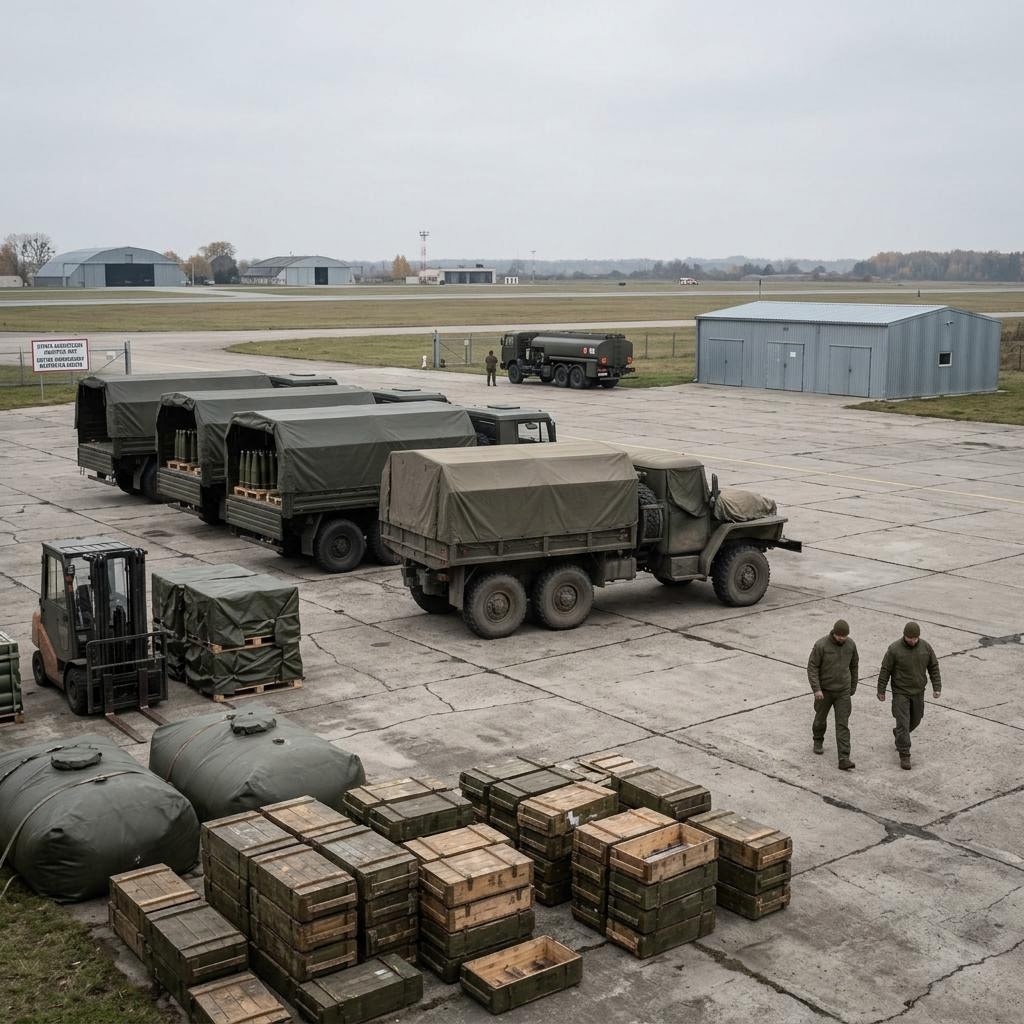
Avdiivka ran out of ammunition. Ukraine withdrew before encirclement.
Ukrainian forces withdrew from Avdiivka on 17 February 2024 after months of fighting and an ammunition shortage linked by US and Ukrainian officials to stalled US aid. The sources do not assign the retreat a single cause.
A Dutch court closed an F-35 parts route to Israel in seven days.
A Dutch appeals court ordered the Netherlands to stop exporting US-owned F-35 parts to Israel within seven days on 12 February 2024. The order closed one distribution route, but no fleet-wide readiness effect is established.
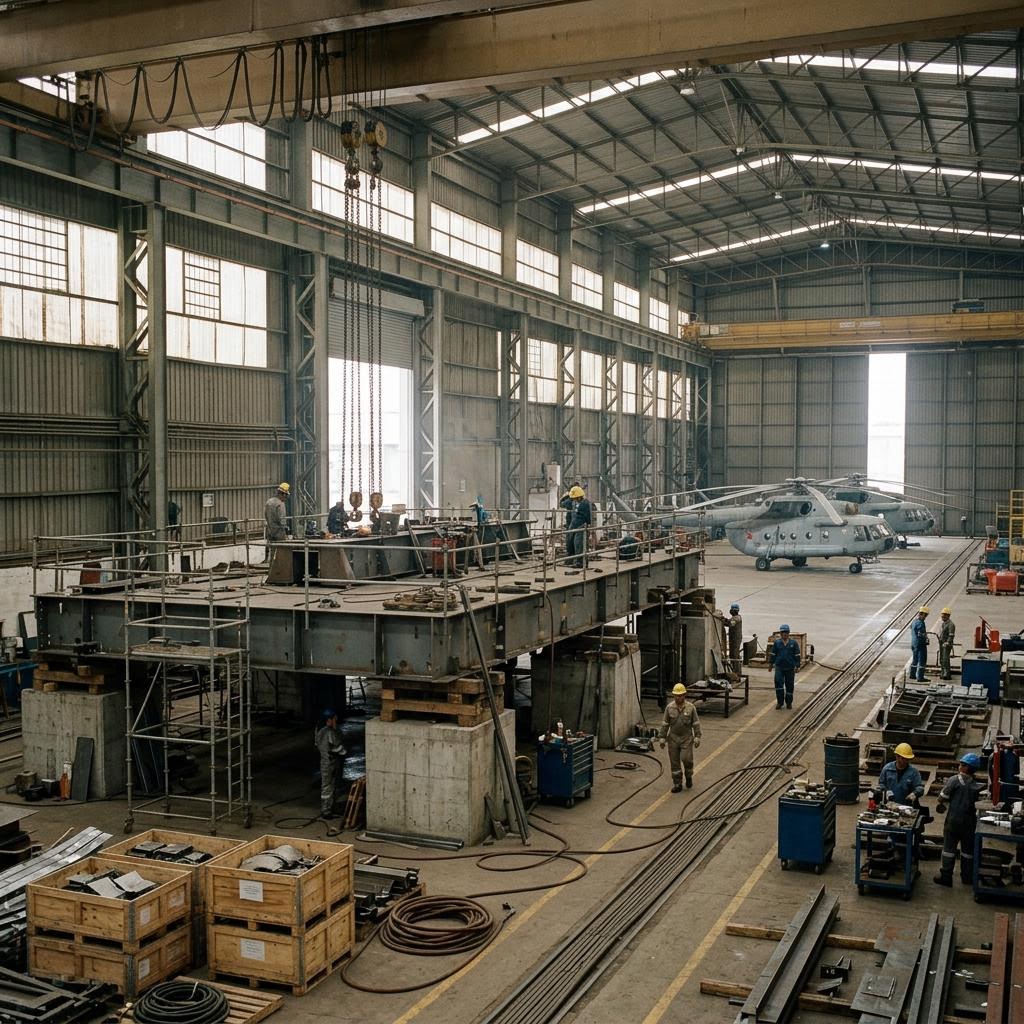
Colombia owned 26 Russian helicopters. The repair money could not reach Russia.
Colombia’s Russian Mi-17 fleet ran into a sanctions-linked payment barrier when a repair contractor could not receive payment through SWIFT, Defense Express reported. It gave nine of about 20 helicopters as flight-capable, but no independent readiness measure or final repair outcome is documented.
Armenia says it paid Russia $400 million. The weapons did not arrive.
Armenian officials said Russia had not supplied weapons covered by paid contracts worth about $400 million. The weapon types were not disclosed, Russia had not publicly responded in the retrieved reporting, and the talks had not produced a recorded settlement.
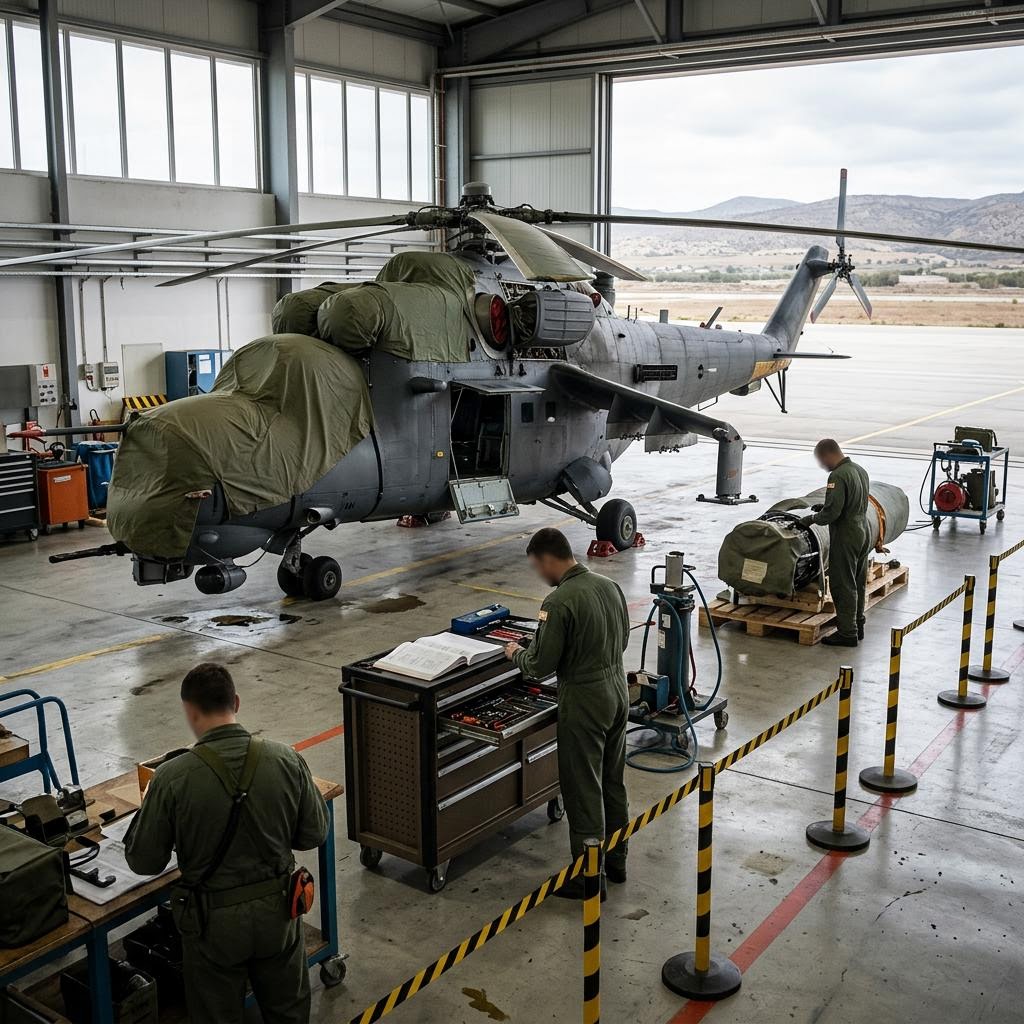
Cyprus sold its Mi-35s. Russian support had become the liability.
Cyprus sold its 11 surviving Russian Mi-35P gunships to Serbia after sanctions disrupted the fleet’s Russian maintenance and spare-parts route, according to specialist reporting. Reuters confirms the 2021 agreement and 2023 acquisition; the final readiness effect remains unmeasured.
Turkey wanted 40 Eurofighters. Germany had to say yes.
Turkey’s proposed 40-jet Eurofighter purchase faced German opposition in 2023 because the aircraft are made by a four-country consortium. Germany later approved delivery in 2025, but Britain said final negotiations were still continuing.
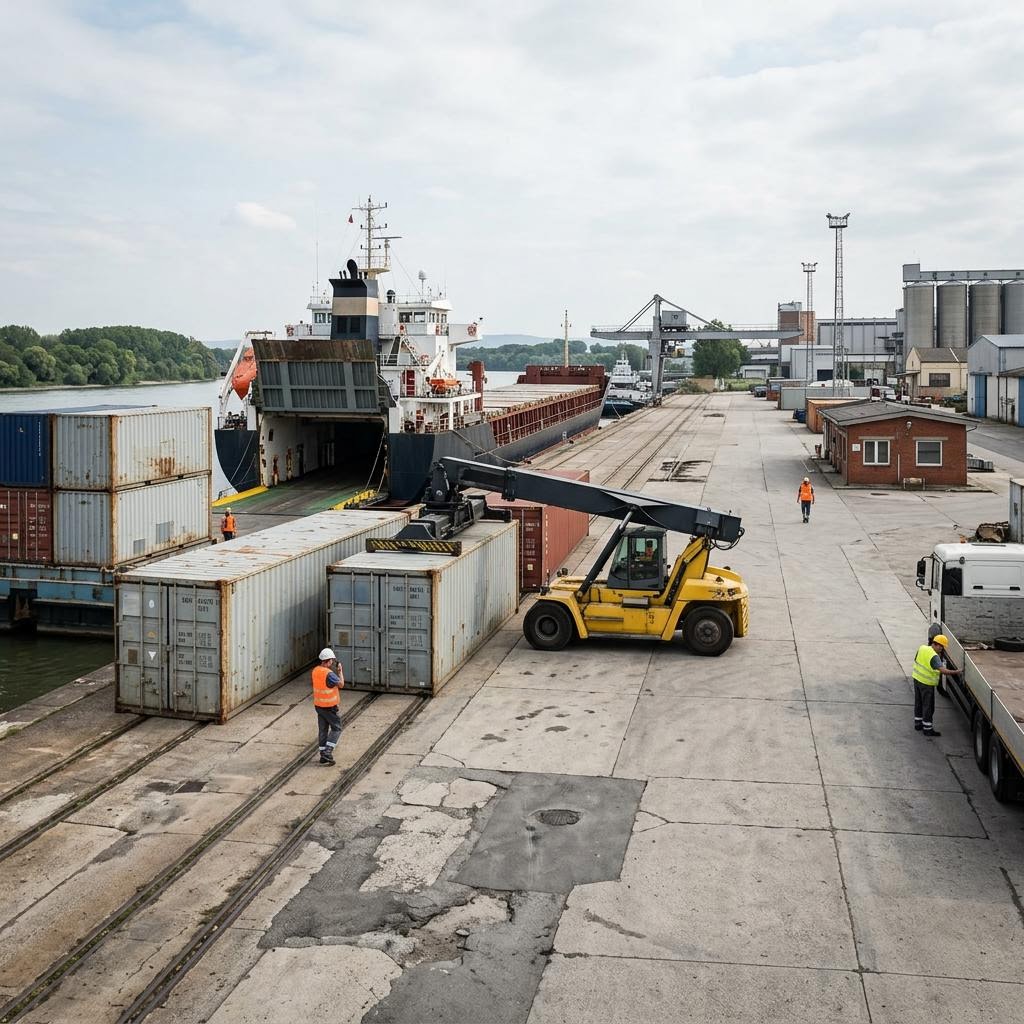
Slovakia stopped state arms for Ukraine. Private sales kept going.
Slovakia halted state military supplies to Ukraine after Robert Fico’s government took office in October 2023, while allowing commercial sales. A June 2024 criminal complaint over earlier transfers remained an allegation, not a court finding.
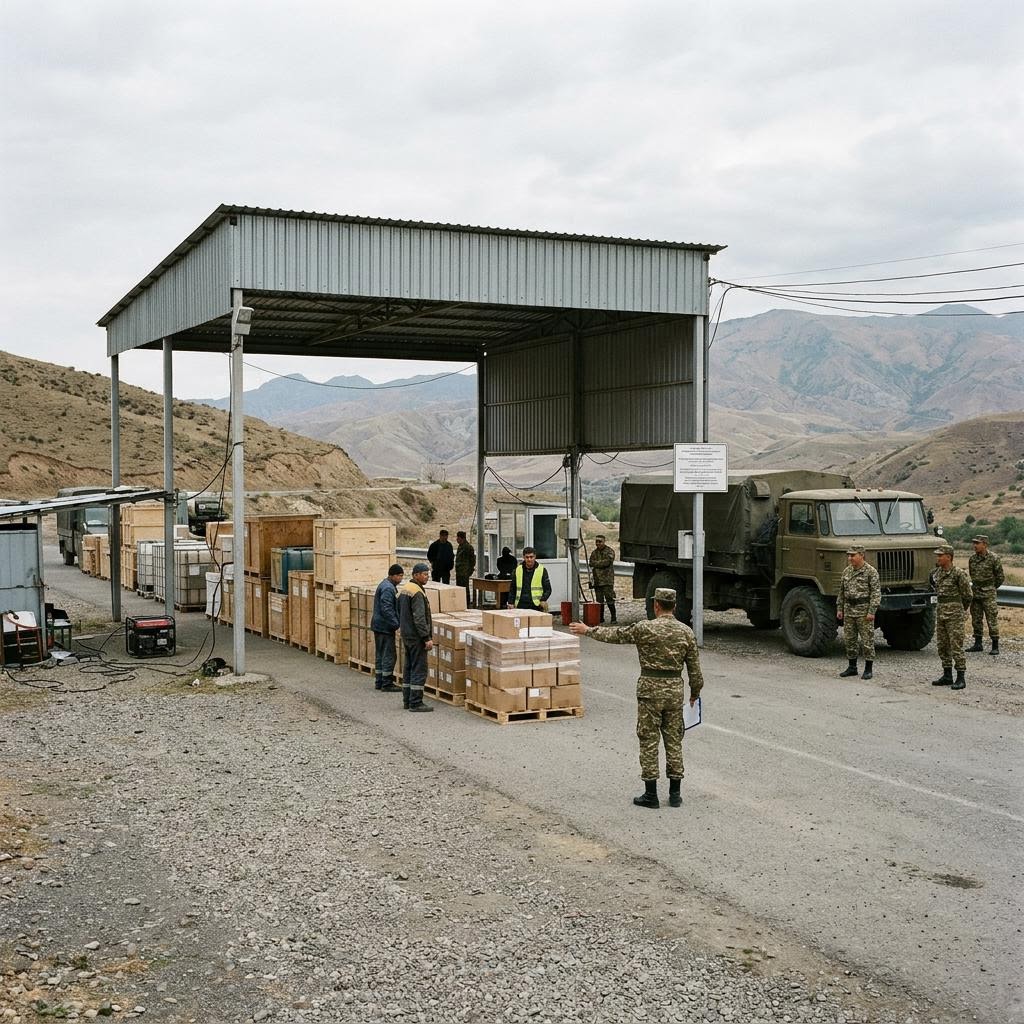
Russia sent peacekeepers to Nagorno-Karabakh. Armenia said security still failed.
Azerbaijan took control of Nagorno-Karabakh in September 2023 despite Russian peacekeepers. Armenia’s prime minister said the Russian partnership was not enough to ensure security, but the sources do not establish the contingent’s orders, capacity or operational effect.
Vietnam’s Russian arms credits were repaid through Siberian oil profits.
AP reported that Vietnam used profits from a Siberian joint oil venture to repay credit for Russian fighter jets, tanks and ships. A 2023 planning document was disputed, while a later document described implementation. The article does not claim US sanctions were imposed.
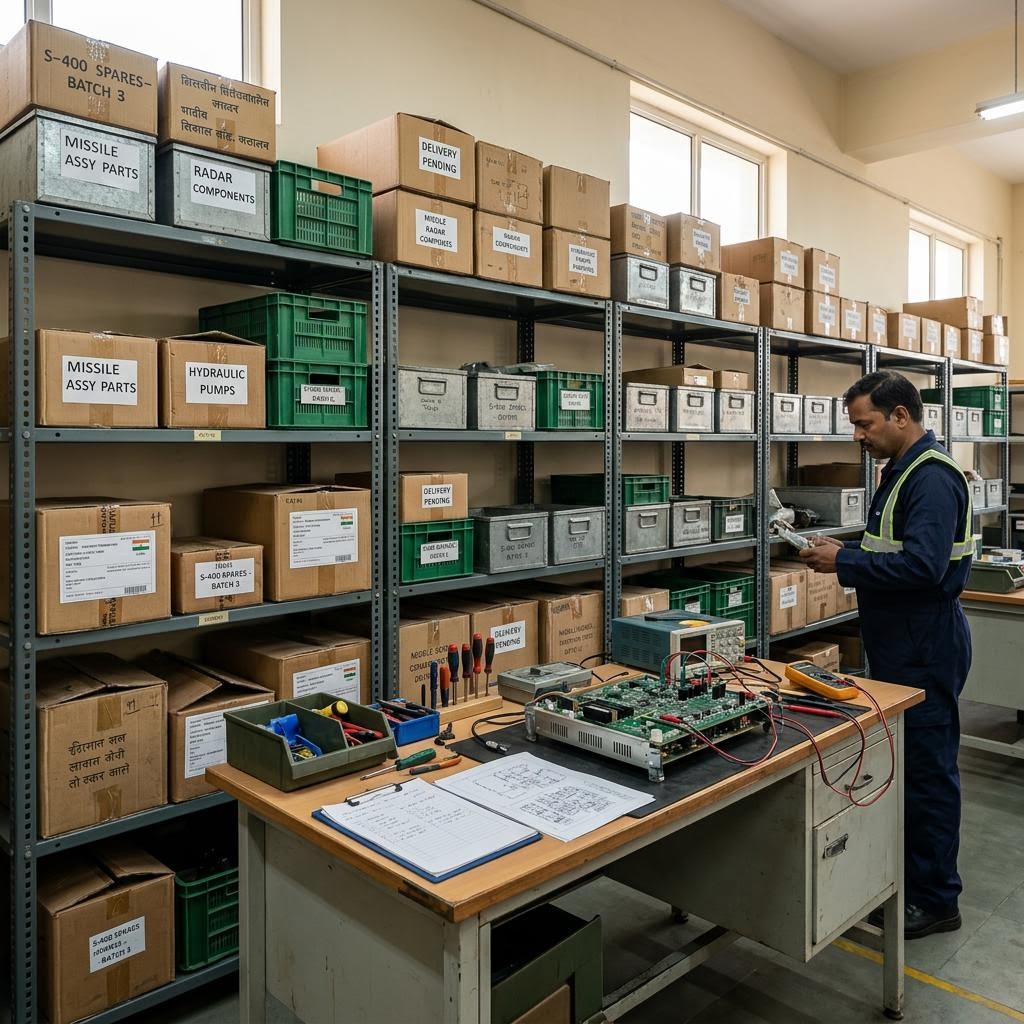
India ordered five S-400s. Two were still awaited.
India had received three of five S-400 systems when Russia said in August 2023 that the $5.4 billion order would meet its end-2024 schedule. The remaining two systems still depended on the Russian delivery chain.
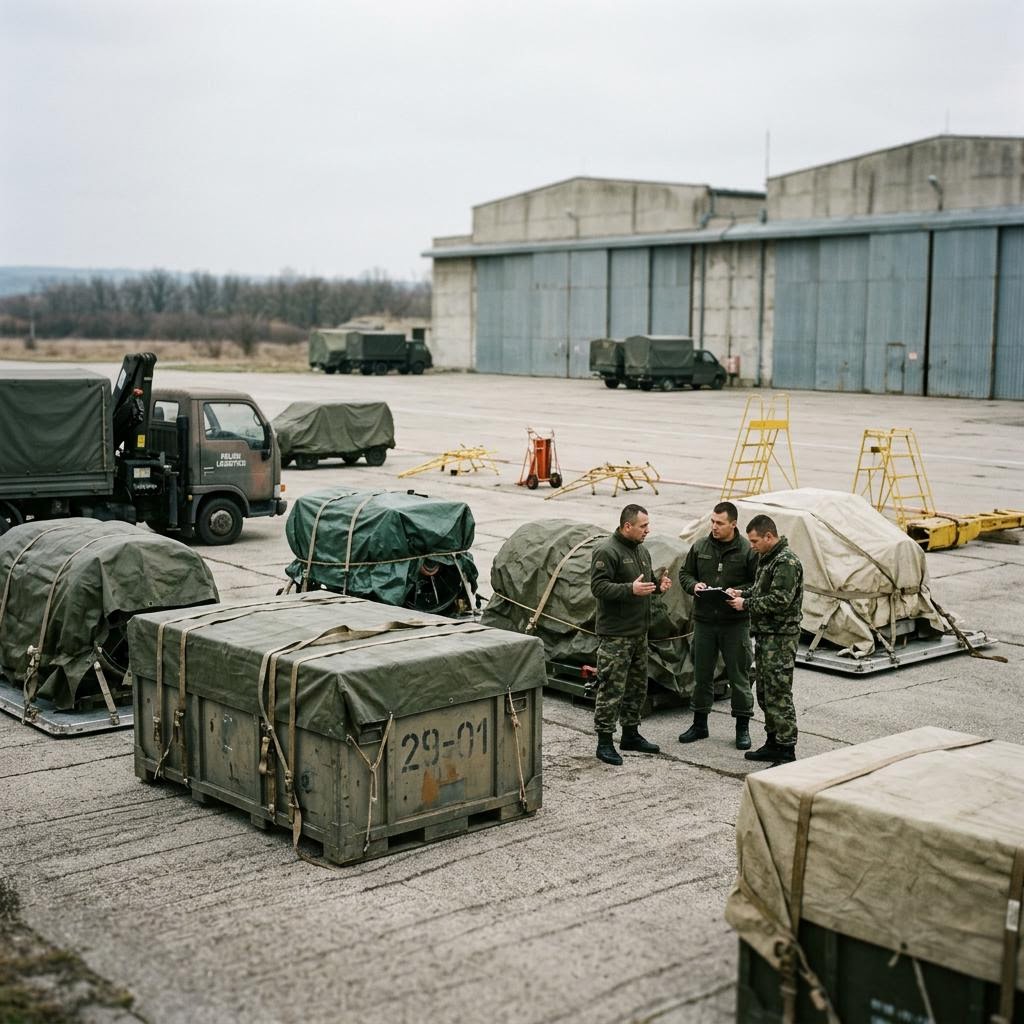
Bulgaria sent six MiG-29 engines to Poland to keep flying.
Bulgaria signed a €9.5 million Polish contract on 9 August 2023 to overhaul six MiG-29 engines. The defence ministry said the work would support airworthiness until F-16 Block 70 aircraft became operational. Fleet readiness and patrol-hour gains remain unreported.
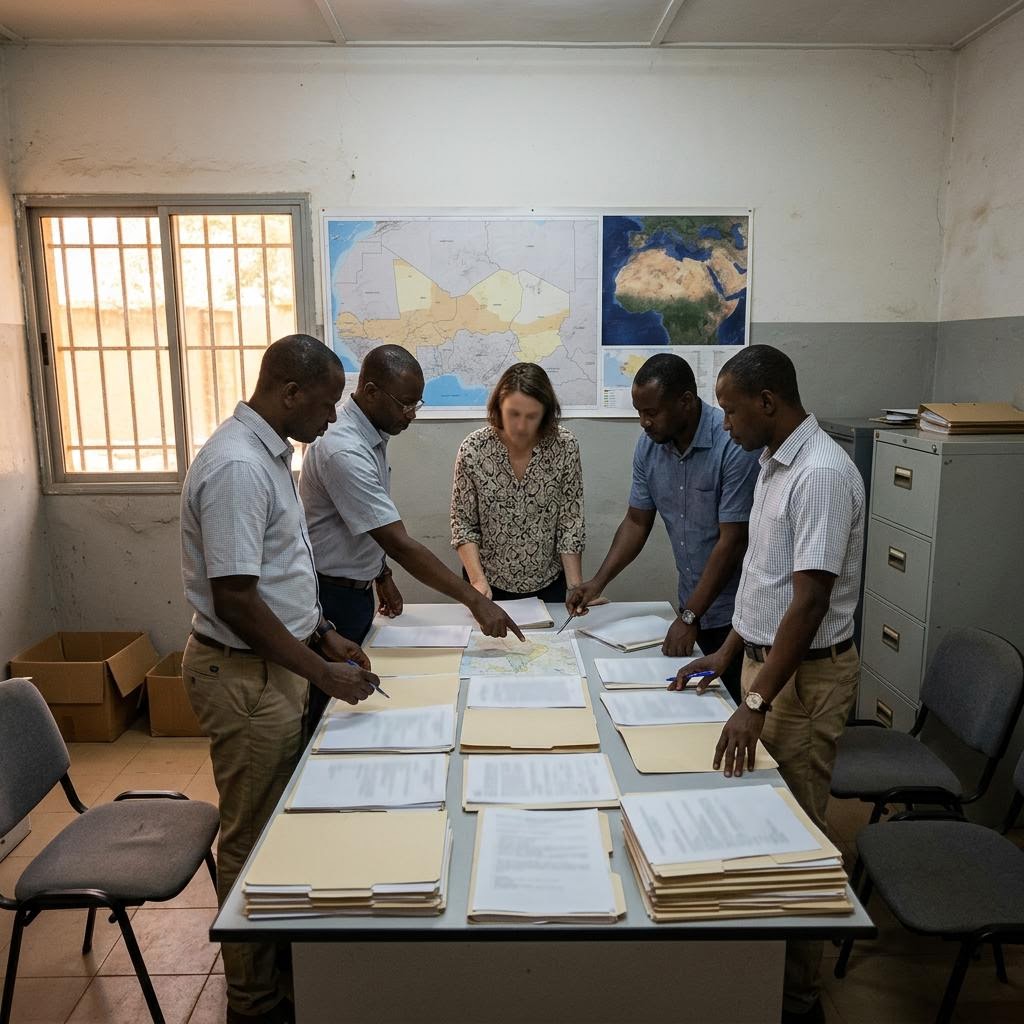
Niger’s generals seized power. Europe froze security support.
After Niger’s July 2023 coup, the EU suspended budget support and security cooperation, France halted development aid, and Washington warned that major assistance was in jeopardy. Humanitarian deliveries and programme-by-programme effects remained separate questions.
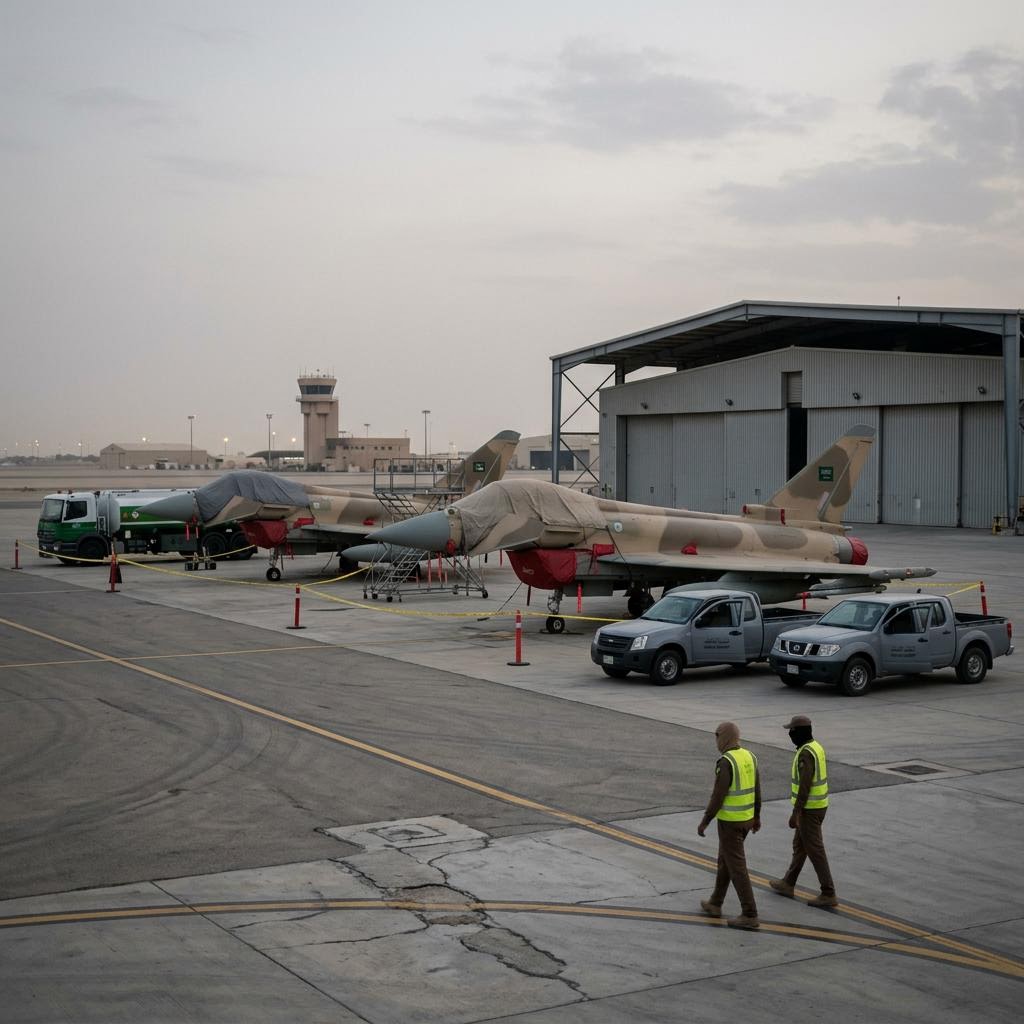
Saudi Arabia wanted more Eurofighters. Germany said not yet.
Germany blocked approval for additional Saudi Eurofighters in July 2023, citing the political context of Yemen and its arms policy. Berlin was prepared not to oppose further deliveries in January 2024, but no completed follow-on contract is established here.
Washington sanctioned Myanmar’s defence ministry. The banks got a wind-down.
OFAC designated Myanmar’s defence ministry and two state banks on 21 June 2023, while allowing a wind-down of transactions involving the banks. The record does not identify a halted defence purchase.
Thailand asked for F-35s. Washington said its air force was not ready.
The United States declined Thailand’s F-35 request in May 2023 over training and technical requirements. Thailand later selected Saab’s Gripen E/F in 2025, but the selection was not yet a signed contract when announced.
Ukraine needed the next EU military tranche. Hungary withheld it.
Hungary withheld approval for the next European Peace Facility military-support tranche for Ukraine on 16 May 2023. The decision delayed one EU funding channel, not every European or bilateral transfer.
India’s air force needed Russian supplies. Russia said the war had got in the way.
India’s Air Force told a parliamentary committee that Russia could not make a major defence delivery because of the Ukraine war. Reuters also reported a near-one-third cut in projected modernisation capital spending, but did not identify the missed system.
Burkina Faso ended France’s mission. Four hundred troops had one month to leave.
Burkina Faso ended the accord that allowed French troops to fight insurgents on its territory, and about 400 French special forces withdrew in February 2023. The reporting does not identify a complete replacement or quantify the security effect.
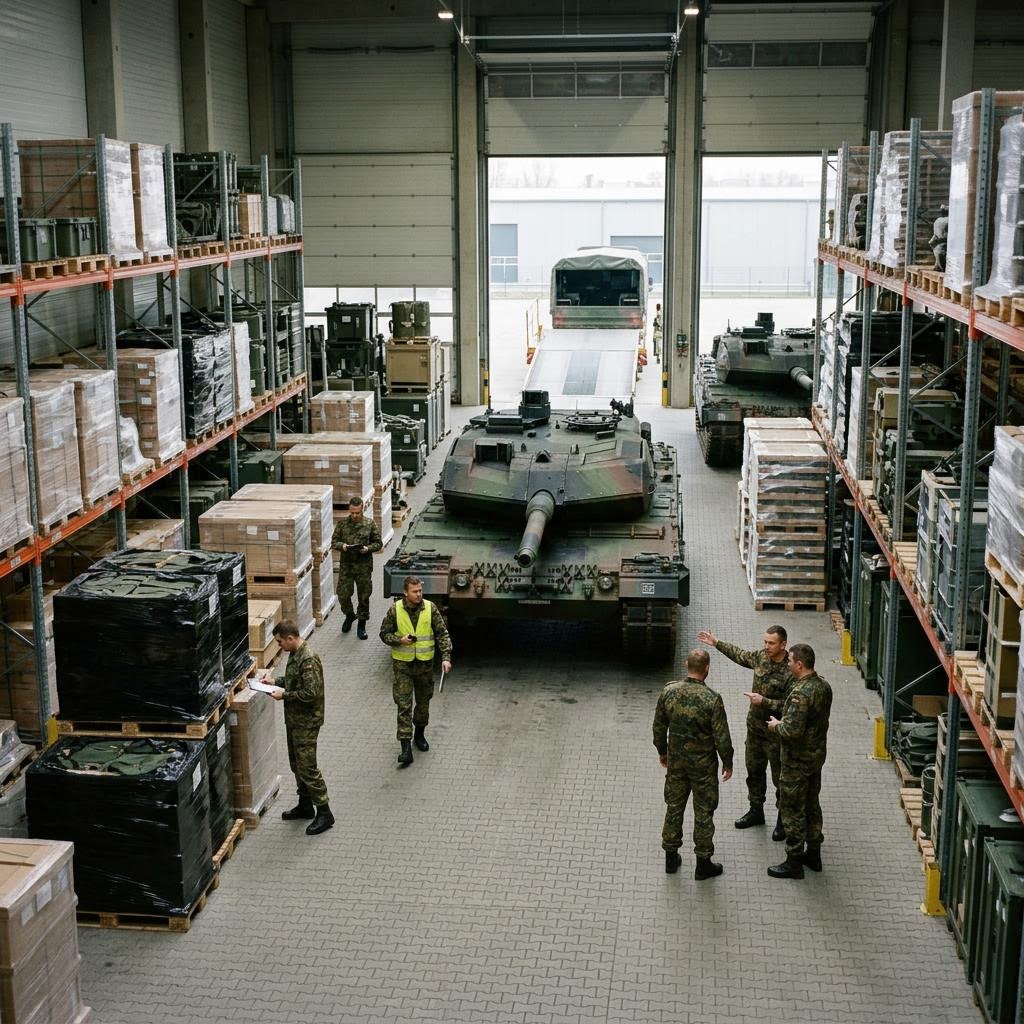
Poland had Leopard 2 tanks. Germany held the export key.
Poland sought German approval to re-export Leopard 2 tanks to Ukraine in January 2023. German end-use rules made Berlin the permission point, although later reporting shows that Germany agreed to the transfer.
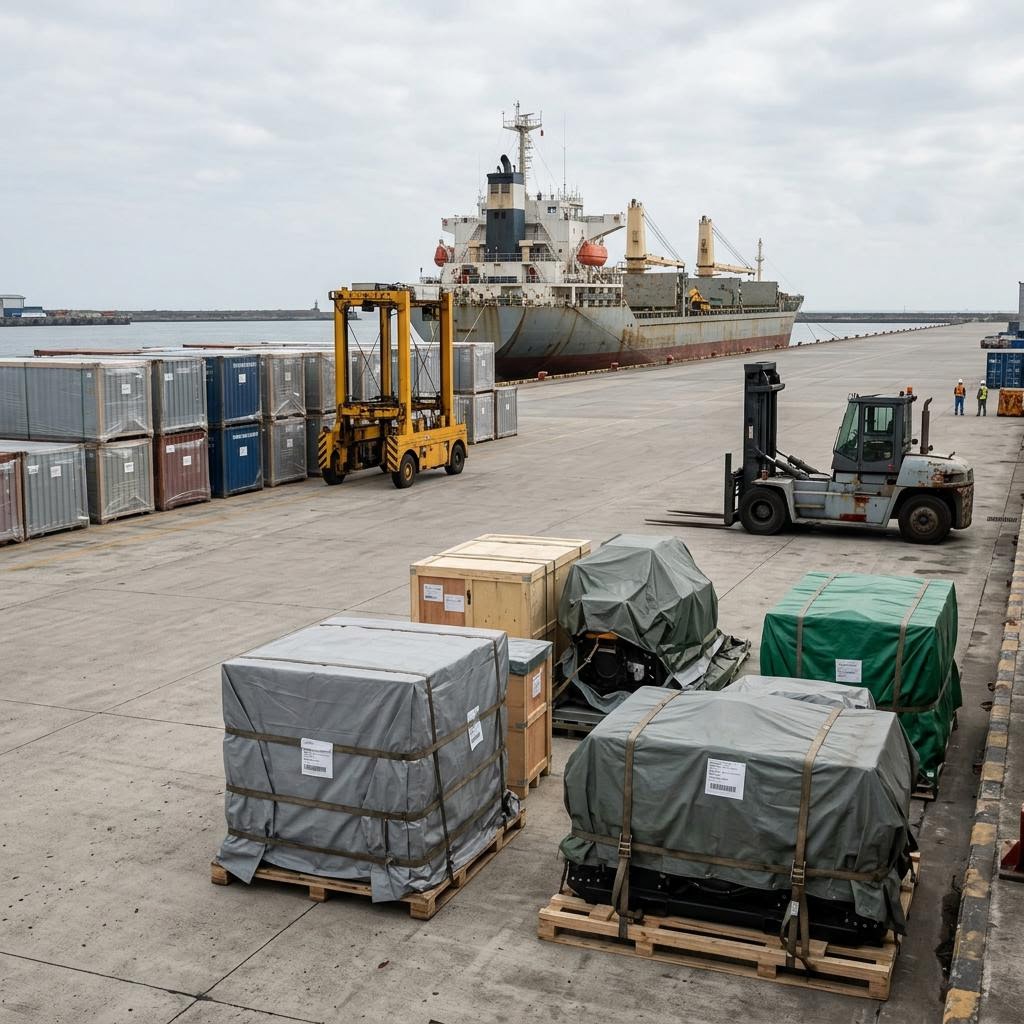
Taiwan’s $19bn backlog existed before Ukraine. Factories still had to build it.
The January 2023 analysis described Taiwan’s nearly $19 billion arms backlog and traced the main causes to US industrial limits and Foreign Military Sales delays, not principally to aid for Ukraine. It warned that future competition for scarce capacity would still grow.
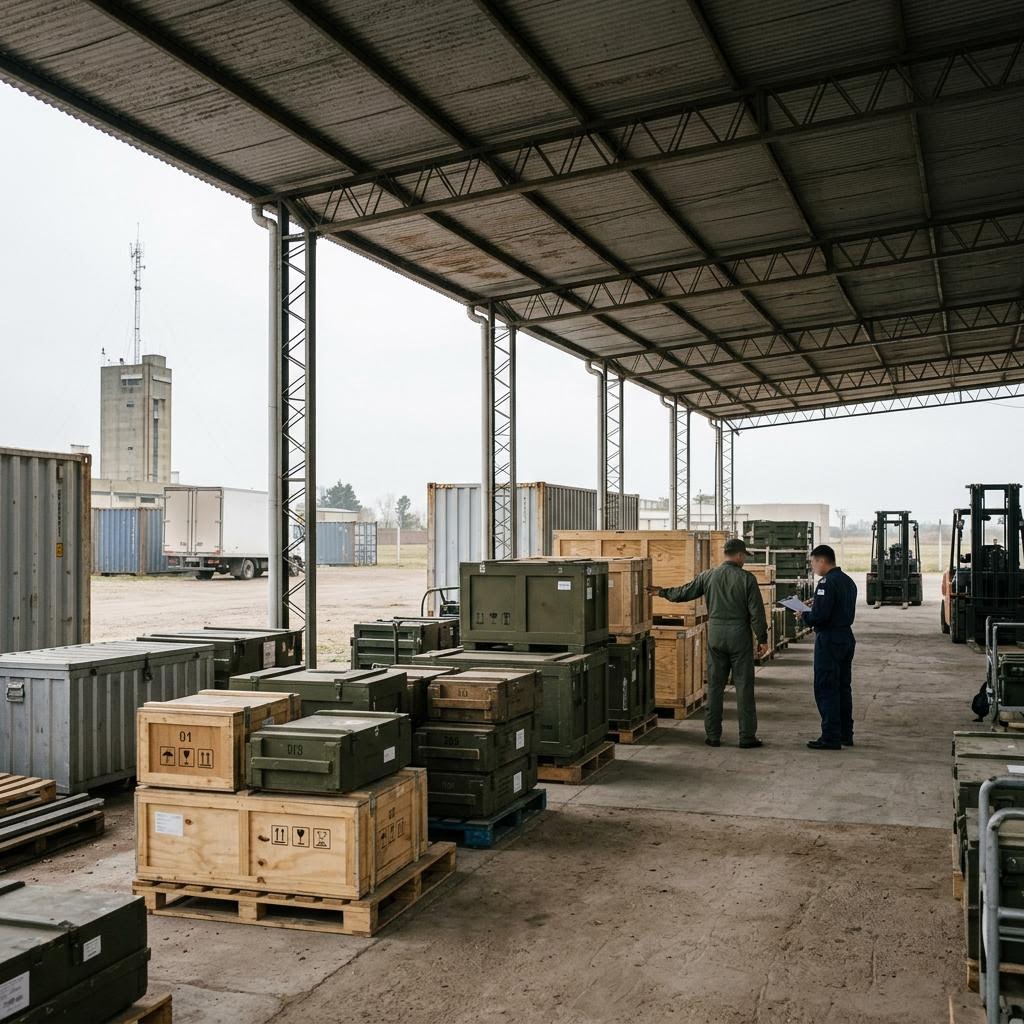
Argentina wanted Gripens. British parts made the replacement too expensive.
Argentina’s Gripen option was reported to require replacement of British content before export. Saab found the change technically possible, but the airframe work, integration and testing made the aircraft too expensive for Argentina.
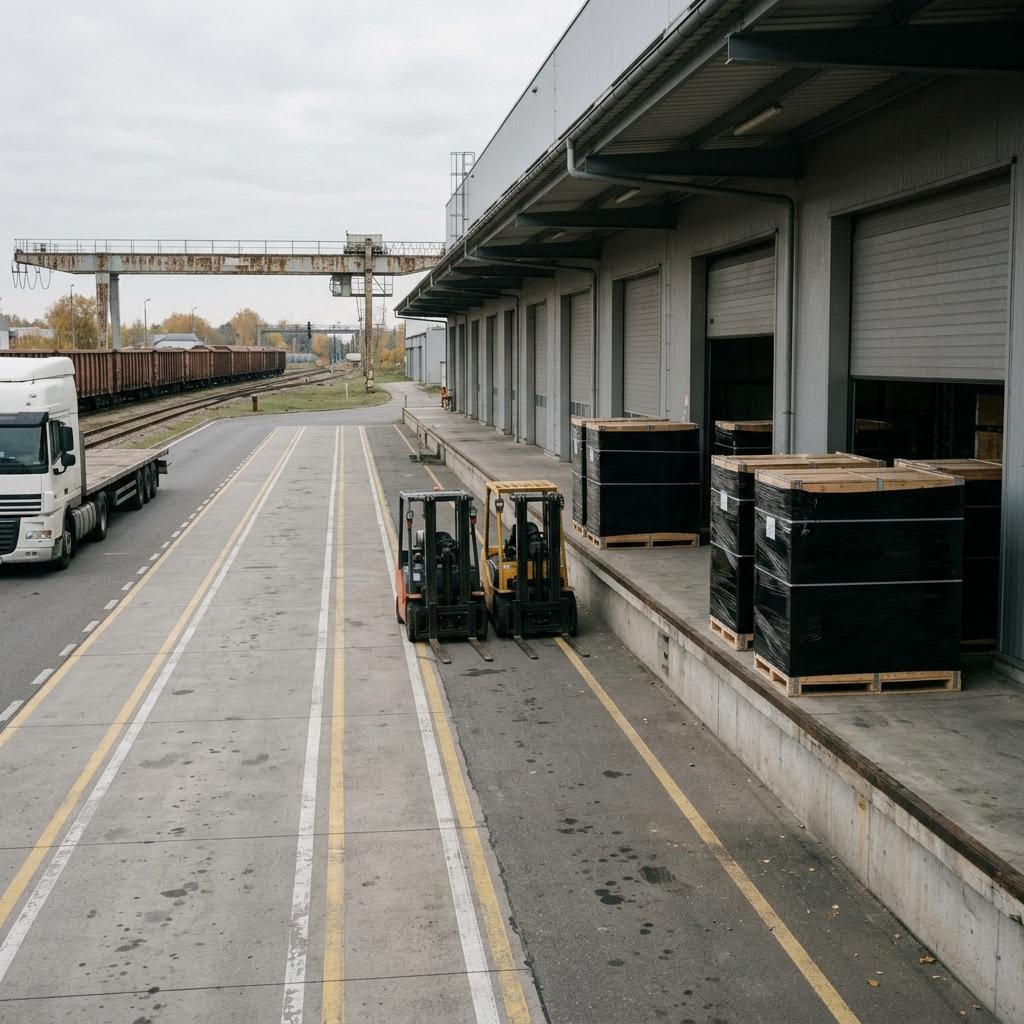
South Korea had artillery shells. It would not send lethal aid to Ukraine.
President Yoon Suk-yeol said on 28 October 2022 that South Korea had supplied humanitarian and non-lethal support but no lethal weapons to Ukraine. The reports support a policy restriction, not a claim that all aid was refused.
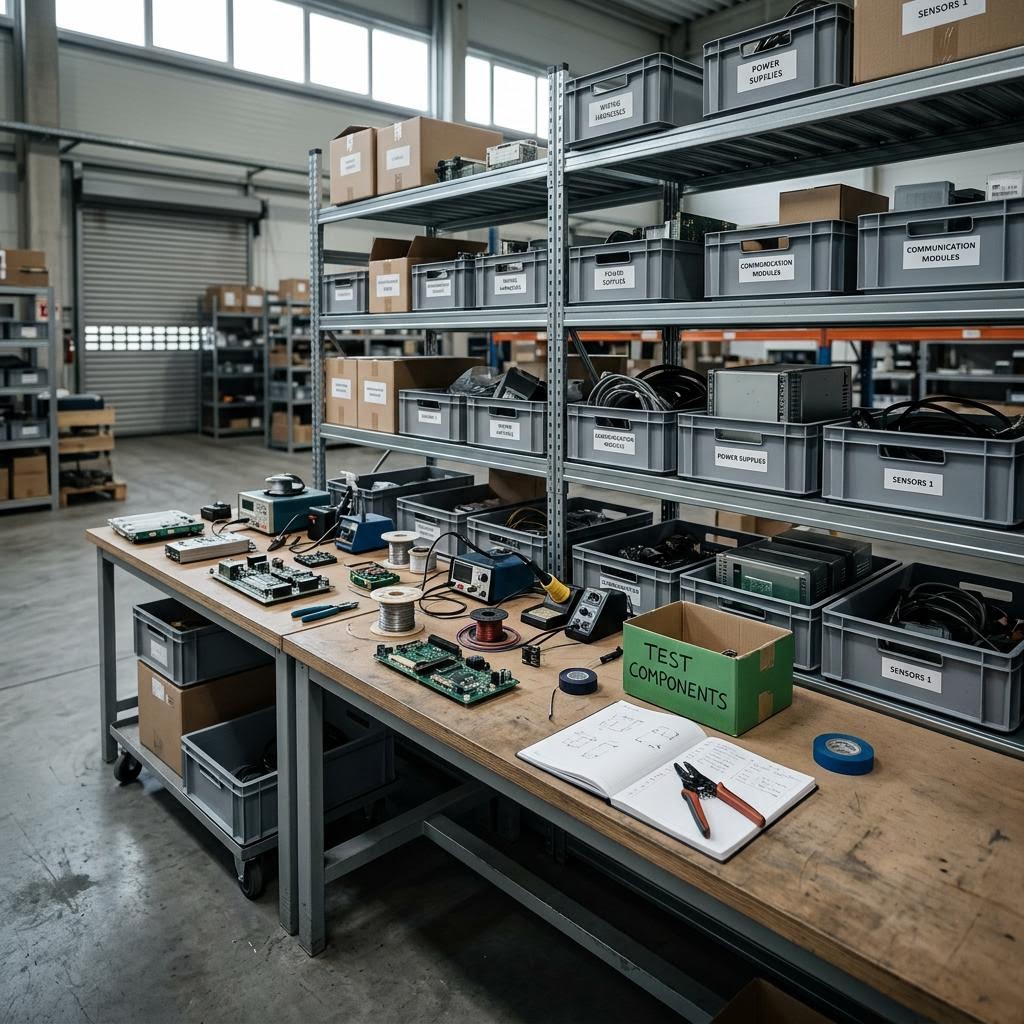
Israel offered Ukraine alerts. It would not send air-defence weapons.
Israel declined Ukraine’s request for air-defence interceptors in October 2022 while offering help with civilian warning systems. The source names the requested systems but does not show whether the warning offer was deployed or what it achieved.
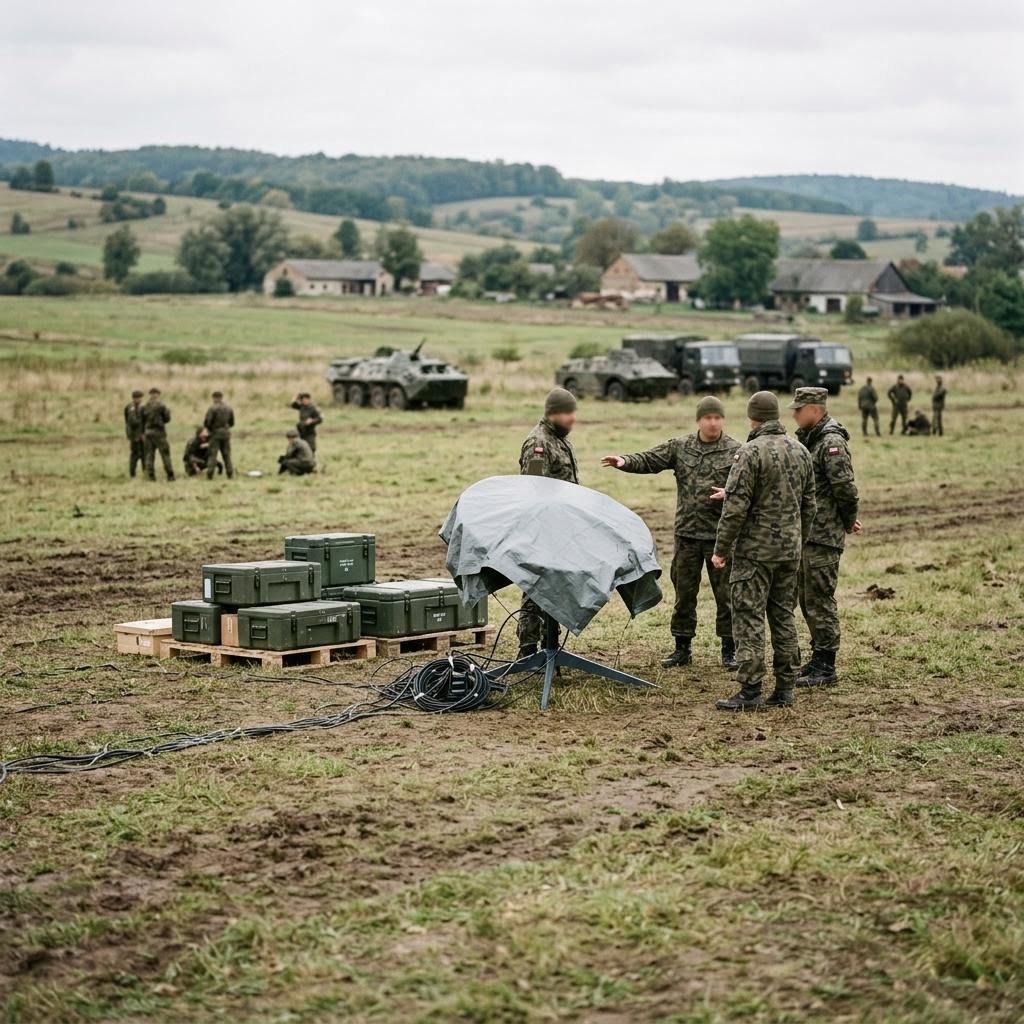
Ukraine pushed toward Kherson. Starlink access narrowed at the same time.
Reuters reported that Starlink coverage was cut during Ukraine’s September 2022 Kherson counteroffensive, disrupting drones and artillery targeting. Ukrainian sources said an attempted encirclement near Beryslav failed; SpaceX disputed the investigation.
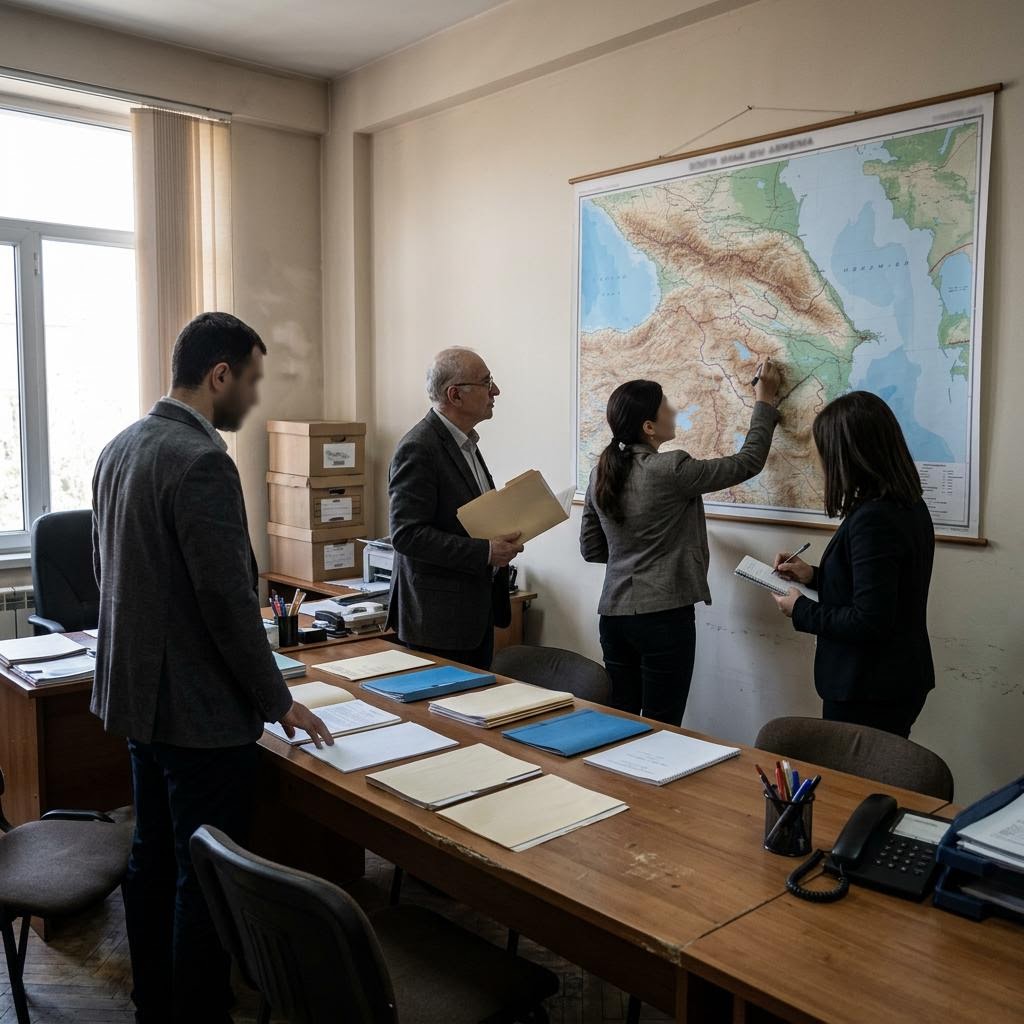
Armenia had a CSTO guarantee. Nagorno-Karabakh was outside it.
Armenian Prime Minister Nikol Pashinyan said the CSTO had not fulfilled its objectives for Armenia in 2021 and 2022 and that participation was frozen “in practical terms”. Reuters reported no formal exit or closure of Russia’s base.
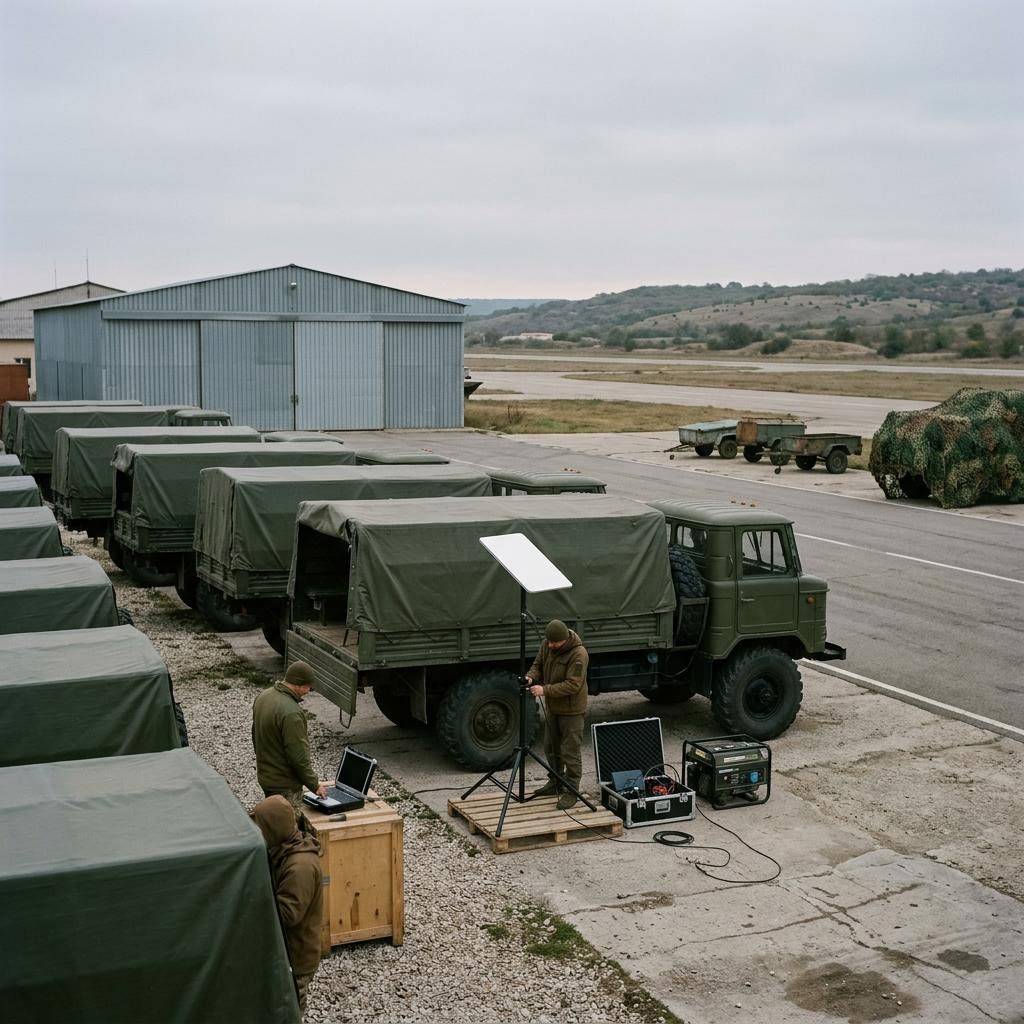
Ukraine wanted Starlink near Crimea. Musk said no to the attack.
Elon Musk said SpaceX refused to activate Starlink coverage to Sevastopol for a planned Ukrainian naval-drone attack in 2022. The reports identify the service refusal and his escalation concern, but not the complete operational outcome.
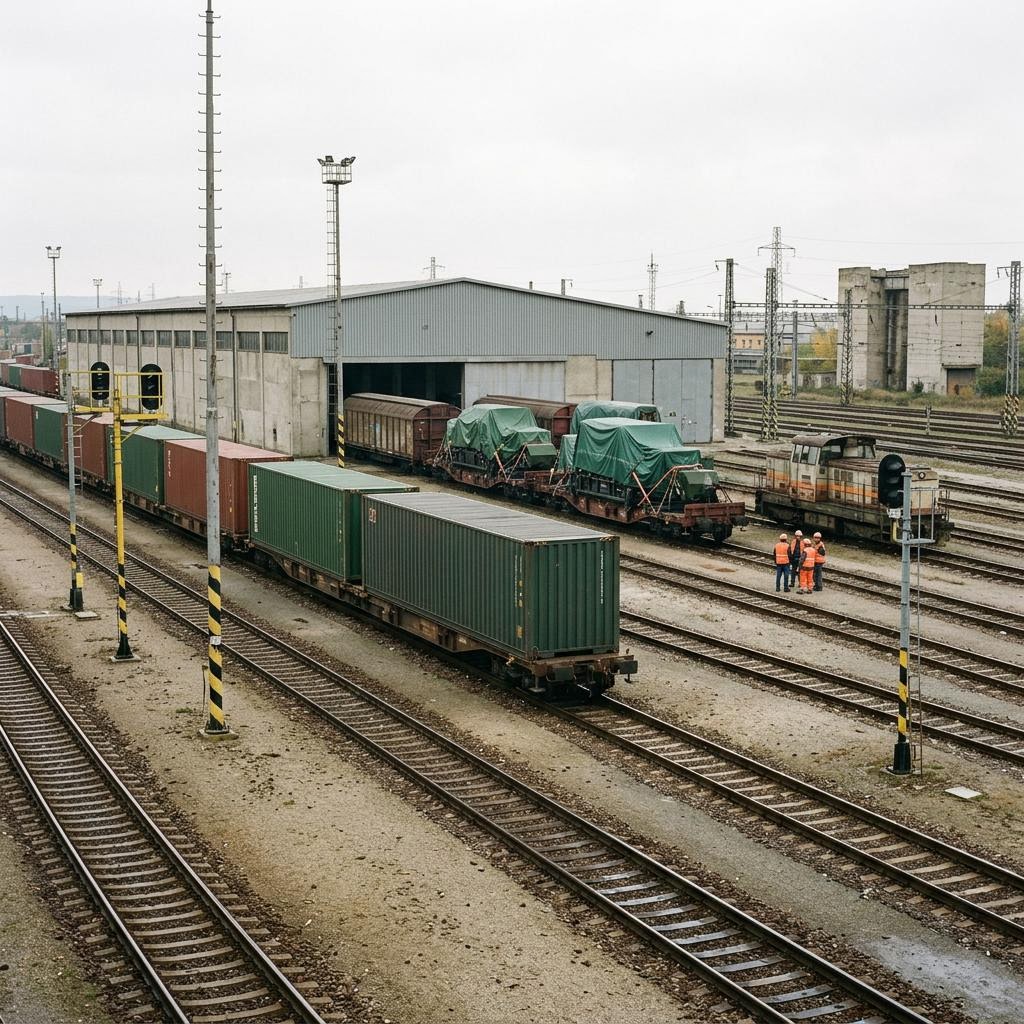
Slovakia grounded its MiG-29s before its F-16s arrived.
Slovakia grounded its MiG-29 fleet in August 2022 amid spare-parts and sustainment problems. Poland and the Czech Republic provided air-policing cover while delayed US F-16 replacements were due to arrive in 2024.
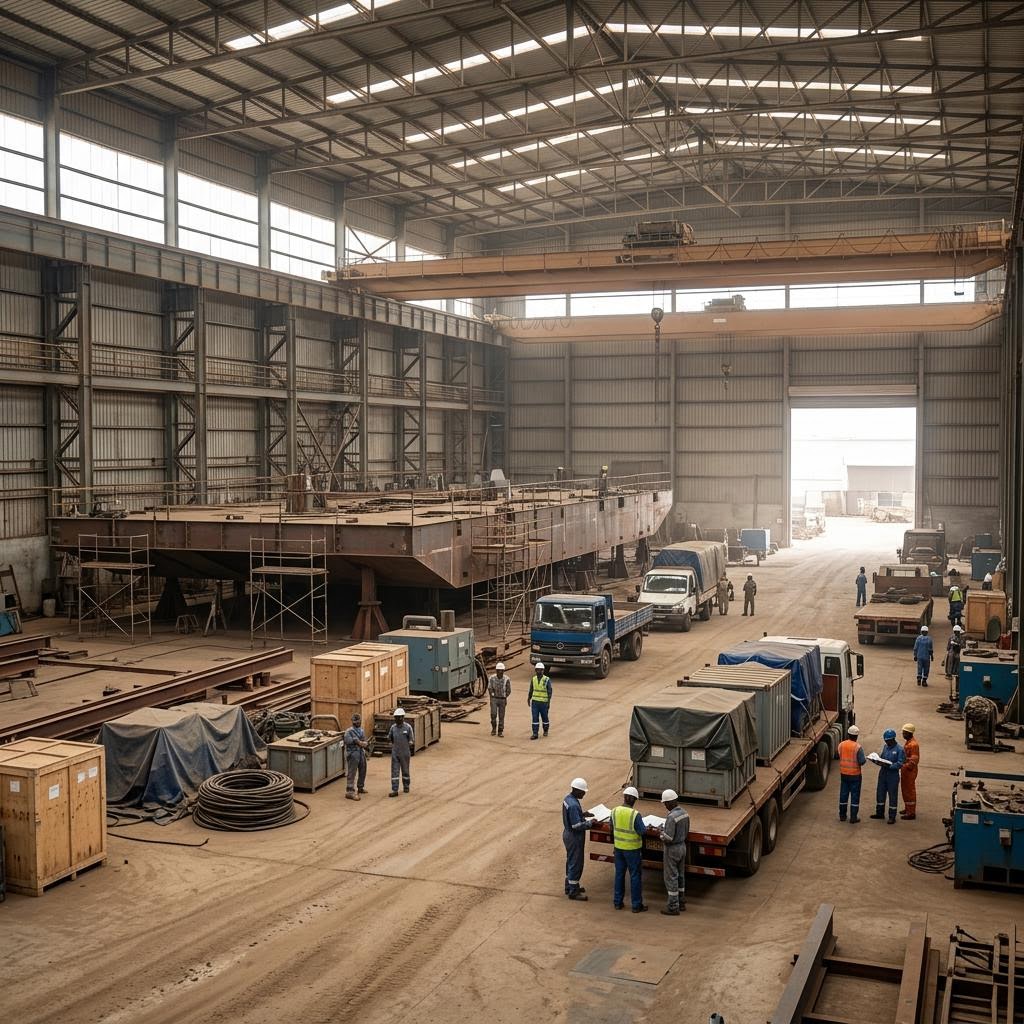
Mali changed security partners. Violence did not wait for the handover.
Reuters reported that violent deaths in Mali more than doubled to nearly 5,000 in 2022 as more than 2,000 French troops left and Mali’s army teamed up with Wagner. The sequence documents deterioration, not sole causation.
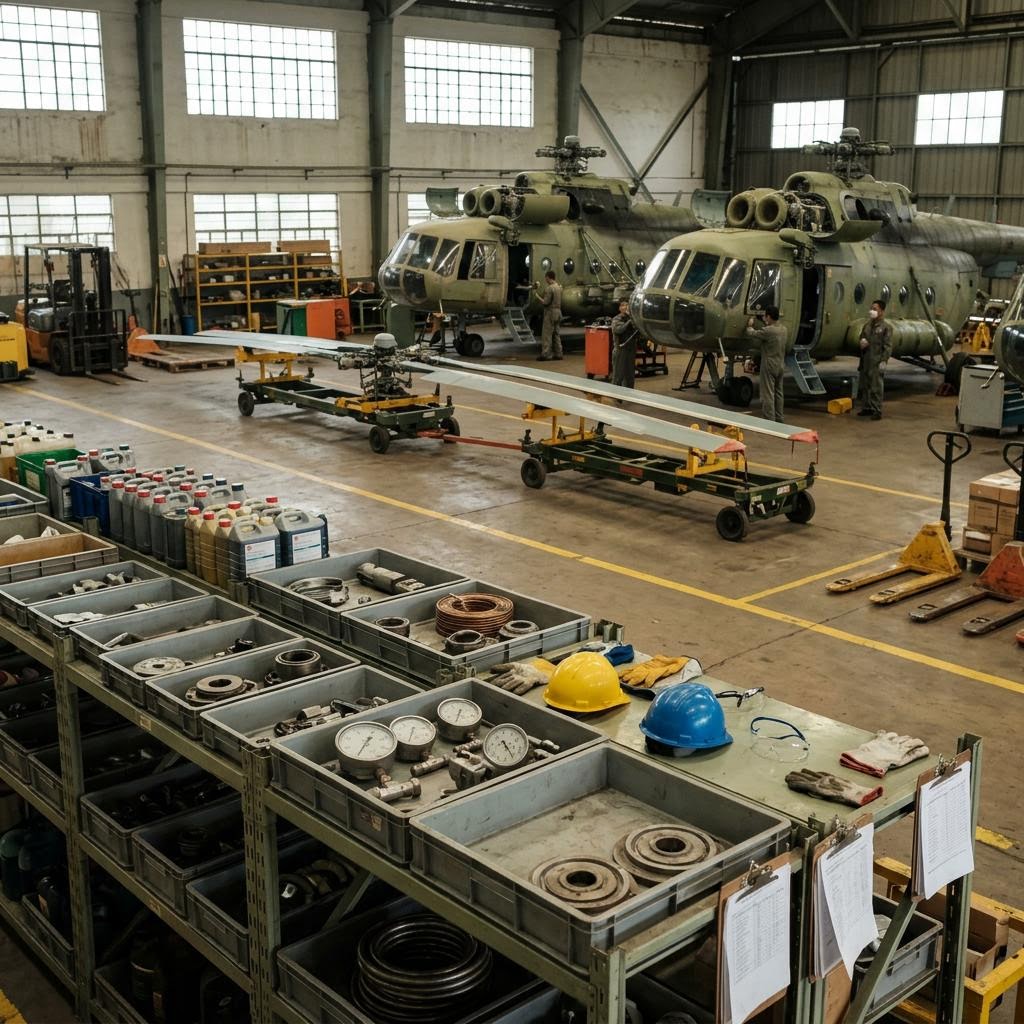
The Philippines signed for 16 Russian helicopters. Sanctions risk killed the deal.
The Philippines cancelled its 16-helicopter Russian Mi-17 contract after the Ukraine invasion made US sanctions a stated risk. Manila sought to recover a substantial down payment and explored US Chinooks, but the payment’s final fate and replacement contract remain unclear.
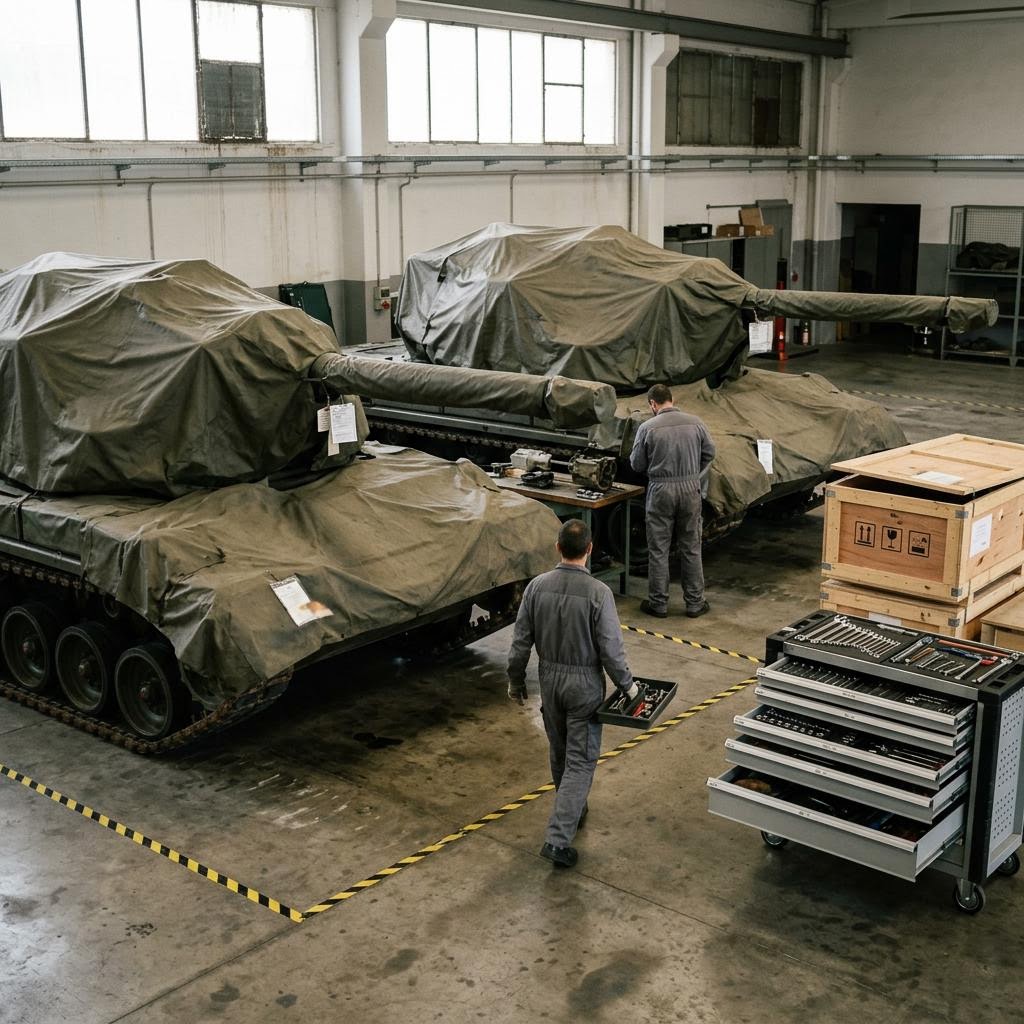
Spain wanted to send Swiss guns to Ukraine. Bern refused the transfer.
Reuters reported that Spain sought to send two Swiss-origin 35-millimetre anti-aircraft guns to Ukraine, and that Switzerland rejected the request. The supplied case date conflicts with that account, and the later outcome is unknown.
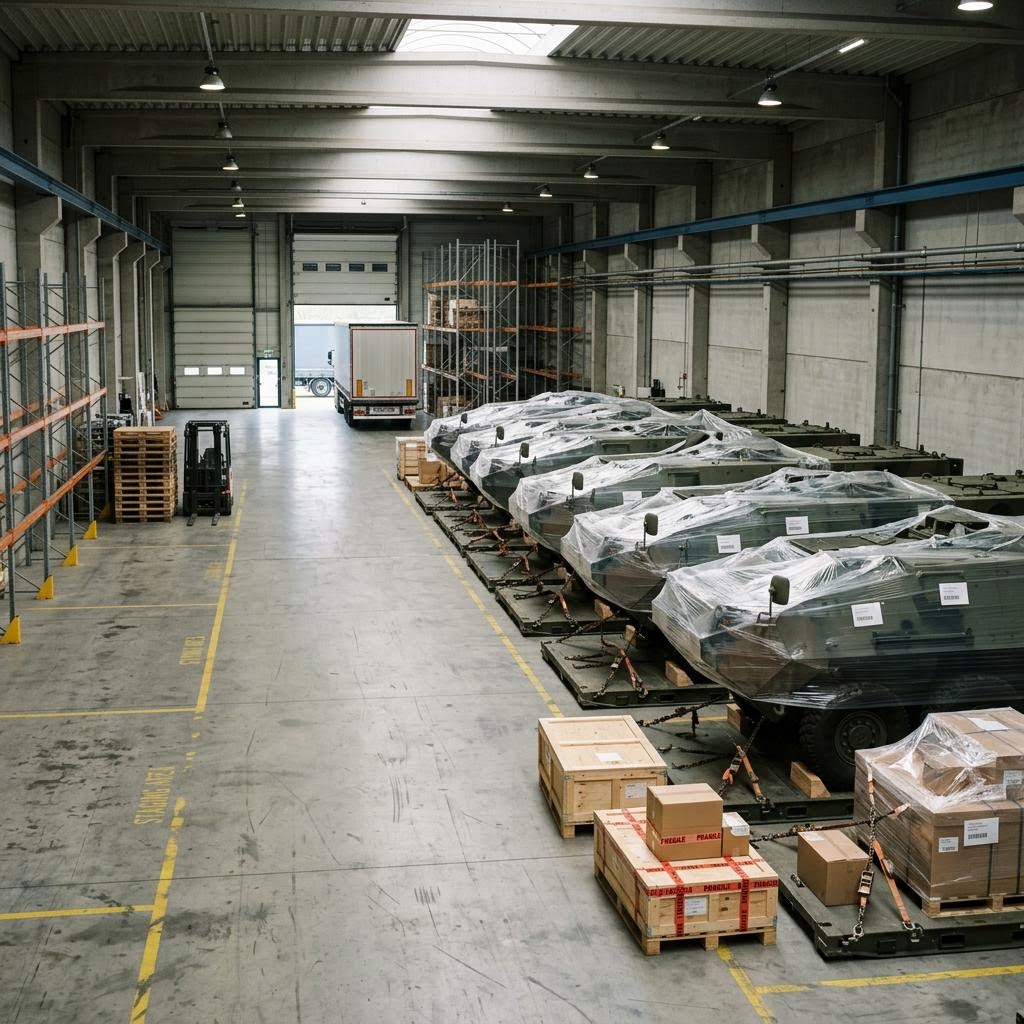
Denmark offered 22 Piranhas to Ukraine. Switzerland said they could not go.
Switzerland rejected Denmark’s request to send 22 Swiss-made Piranha III armoured vehicles to Ukraine. The decision shows how a re-export condition can survive delivery, but the sources do not establish a later outcome or operational effect.
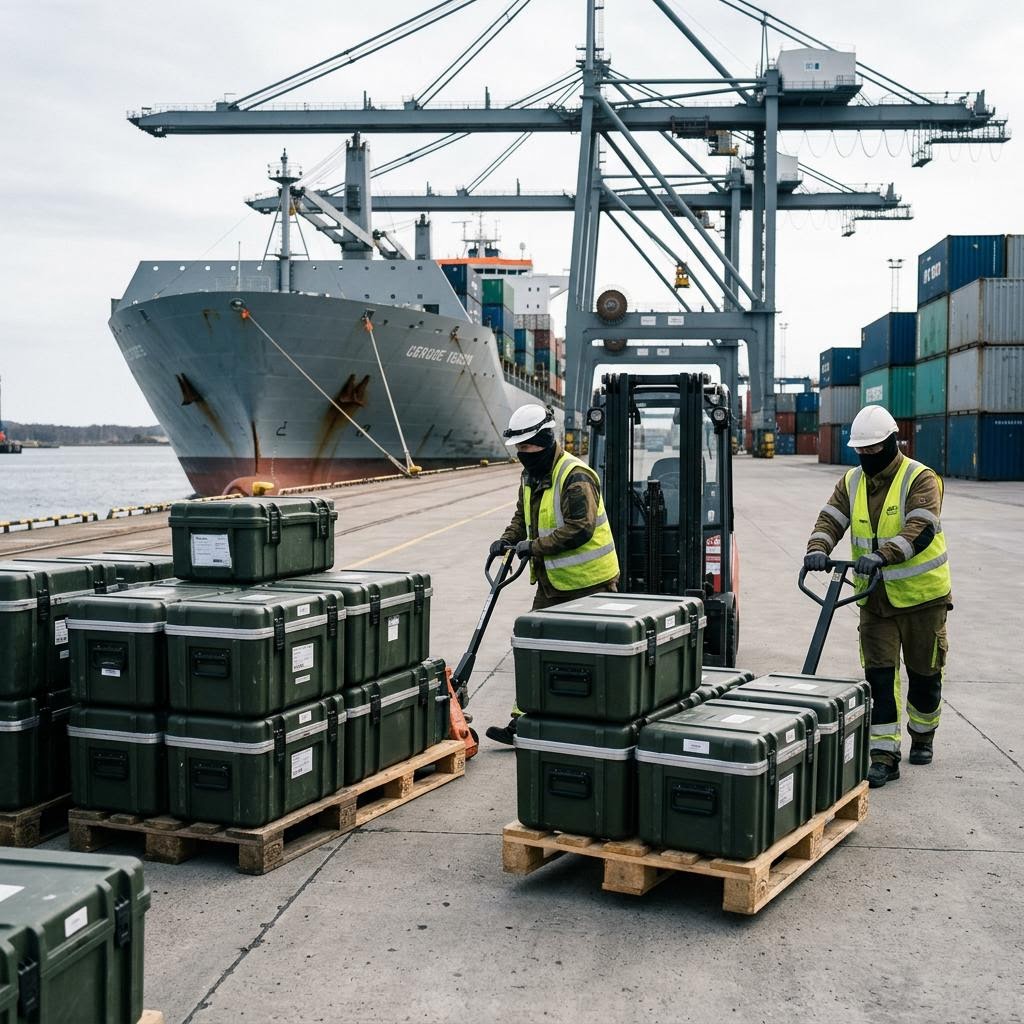
Germany had Spike missiles. Israel controlled the licence.
Israel rejected a US request to approve Germany’s transfer of Israeli-licensed Spike missiles to Ukraine in May 2022. The reporting identifies the licence condition and stated Syria-related concern, but not the quantity or operational effect.
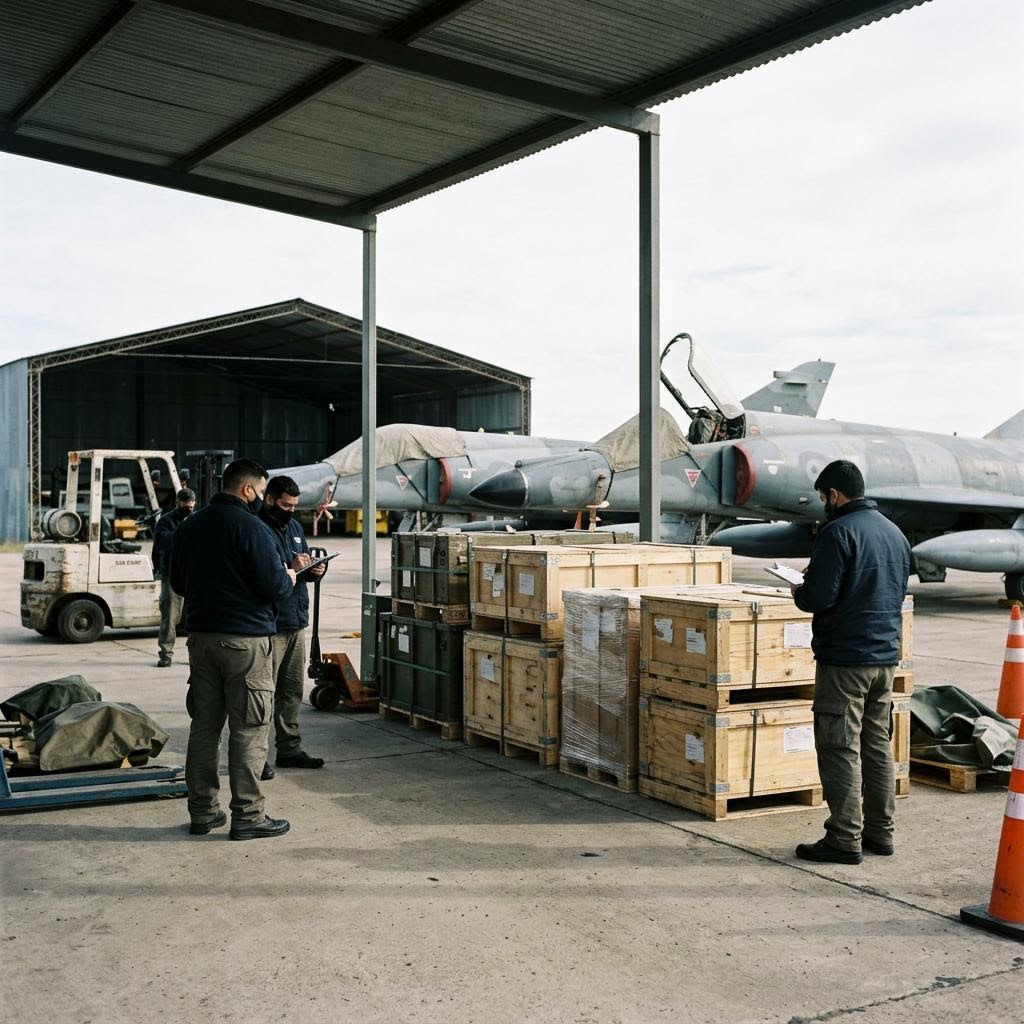
Argentina bought five Super Étendards. British ejection seats kept them grounded.
Argentina received five French Super Étendard Modernisé jets in 2019, but Air Data News reported in 2022 that British-made ejection-seat pyrotechnics remained unavailable under an embargo. The aircraft arrived; the safety-critical support chain did not.
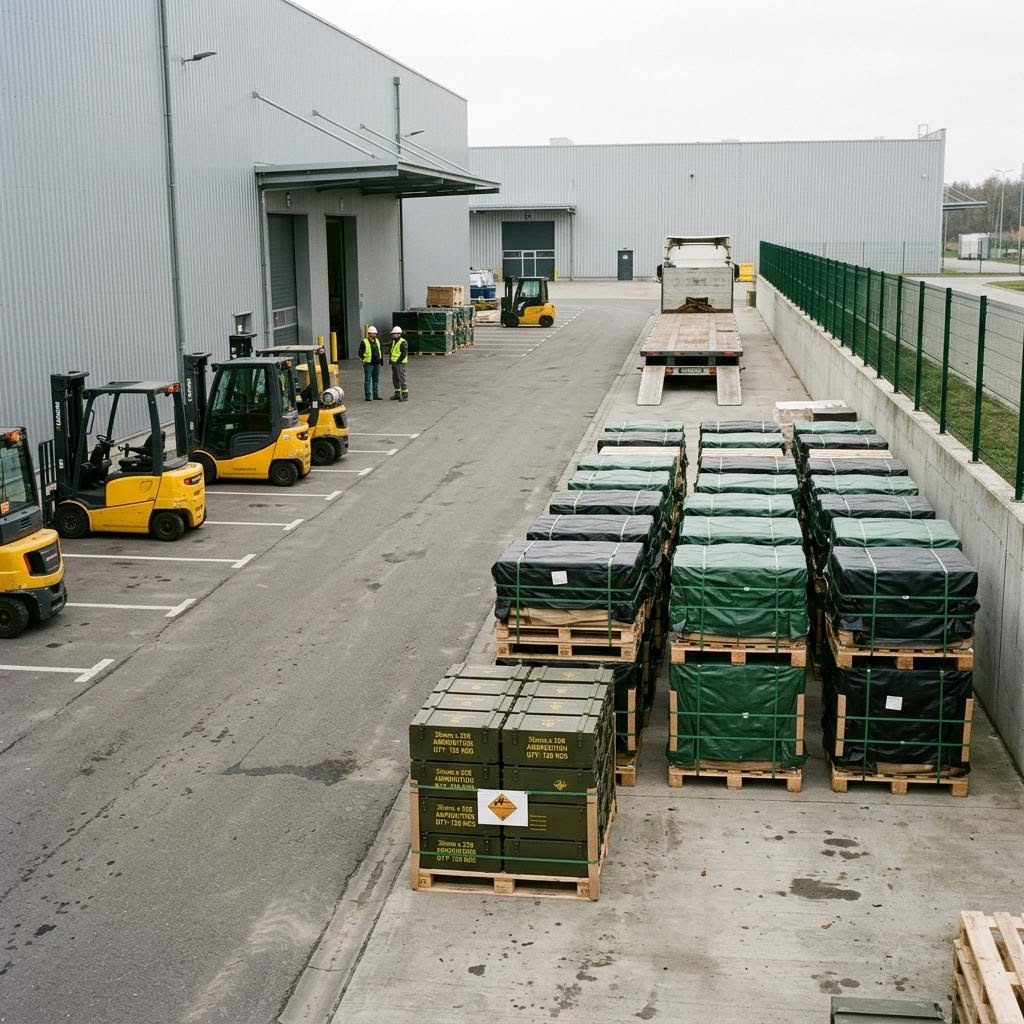
Germany needed Swiss ammunition for Gepard. Switzerland refused re-export.
Switzerland rejected Germany’s requests to re-export Swiss-origin ammunition for Ukraine, including 35 mm Gepard rounds. The refusal closed one supply route, but the sources do not show that any vehicle stopped operating or quantify the wider effect.
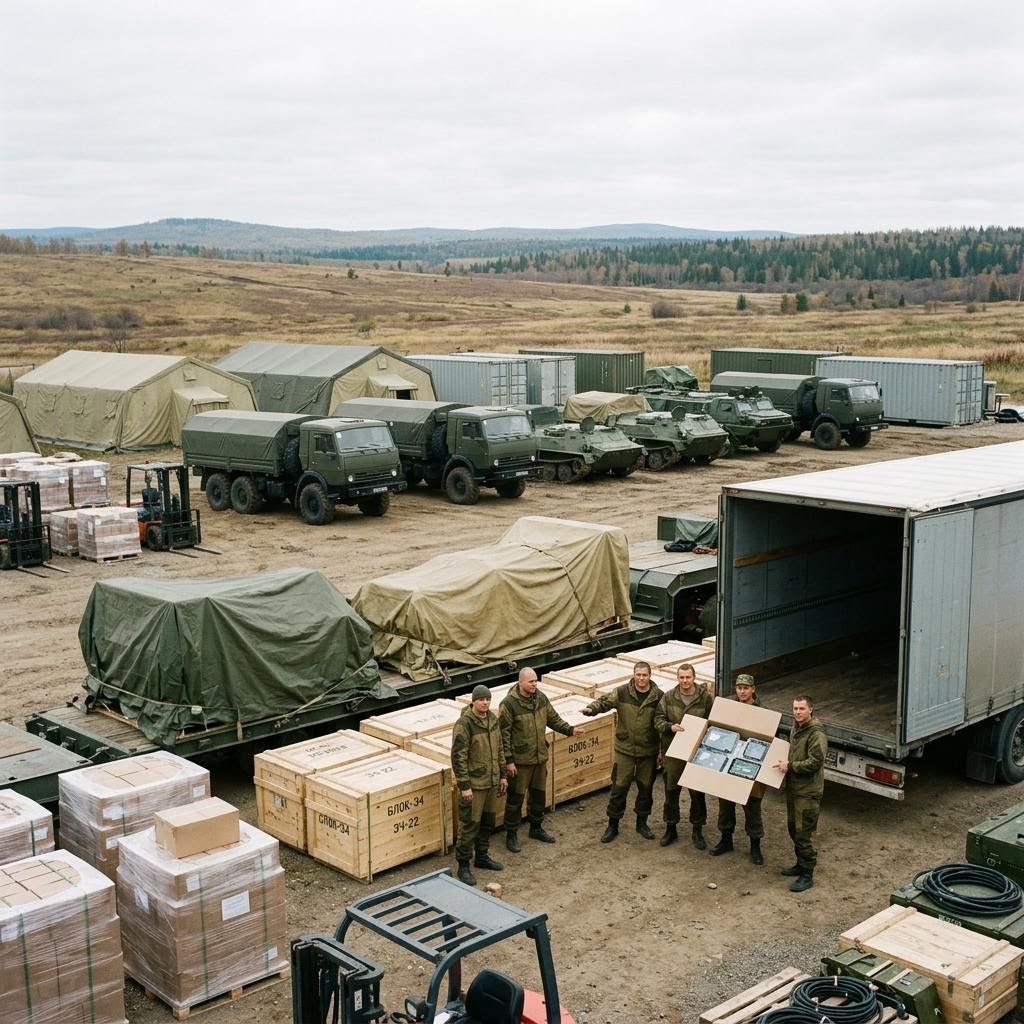
Russian missiles carried Western chips. Sanctions had not kept them out.
RUSI examined 27 Russian military systems and found at least 450 kinds of foreign-made components, including export-controlled parts. Substitution and covert procurement continued after 2022, so the evidence shows dependency under pressure, not total denial.
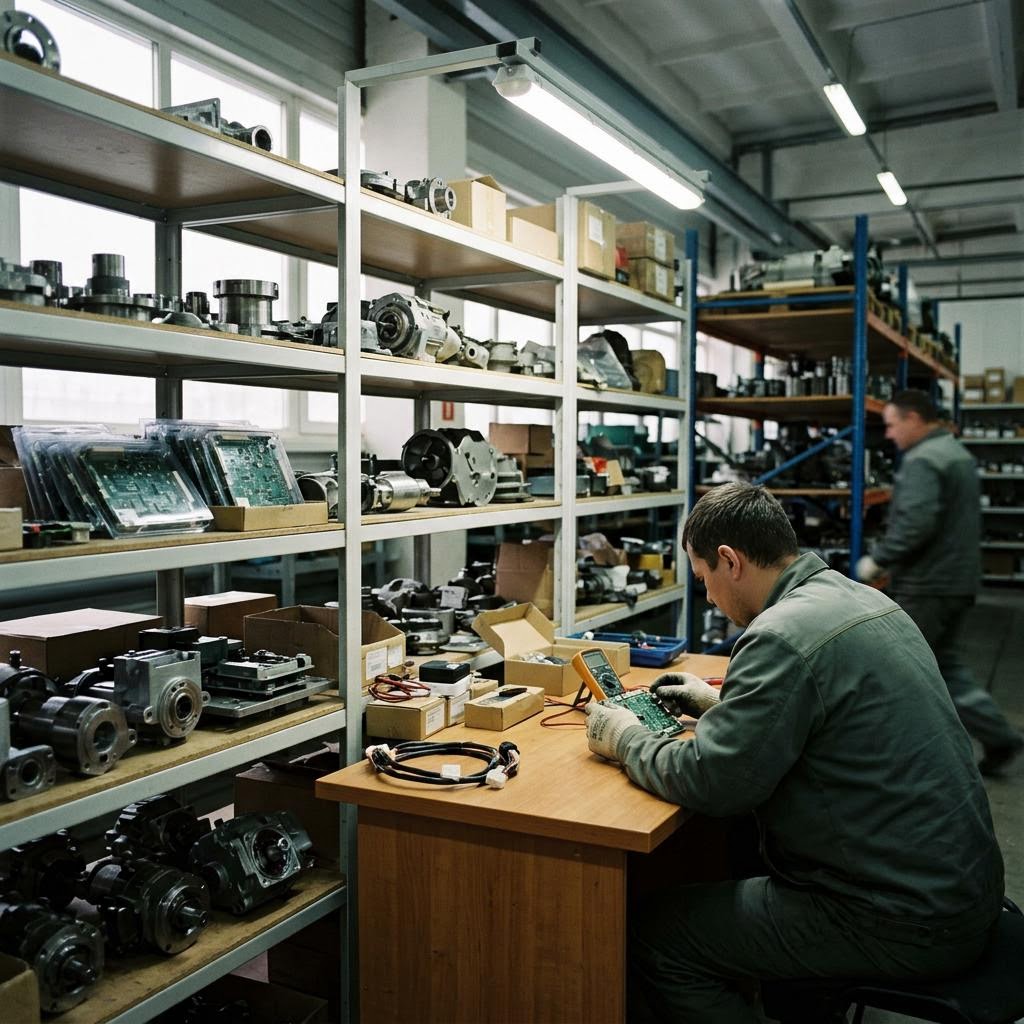
Russia kept its factories. Export controls tightened the tools they needed.
US export controls constrained Russia’s access to machine tools, semiconductors and industrial inputs. The State Department reports shortages, cannibalisation and stalled production, but the retrieved assessment does not quantify the output loss or prove a complete shutdown.
China sanctioned Lockheed and Raytheon over Taiwan. It did not show the penalty being applied.
China’s sanctions target US defence firms linked to Taiwan arms sales, showing how a supplier can become a point of political control.
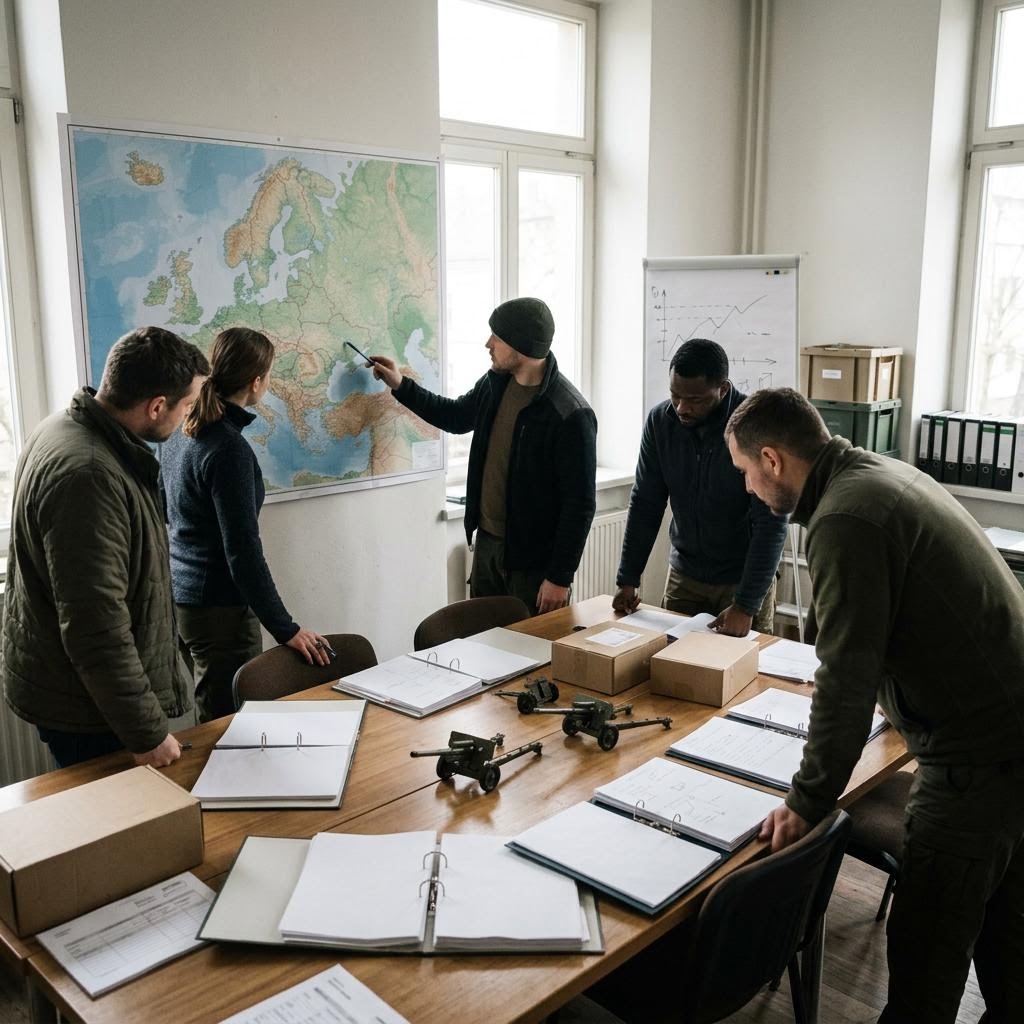
Estonia had D-30 howitzers for Ukraine. Germany initially said no.
Germany refused permission for Estonia to send German-origin D-30 howitzers to Ukraine in January 2022. The decision blocked a transfer route, but the sources do not establish the number of guns, a later German outcome or an operational loss.
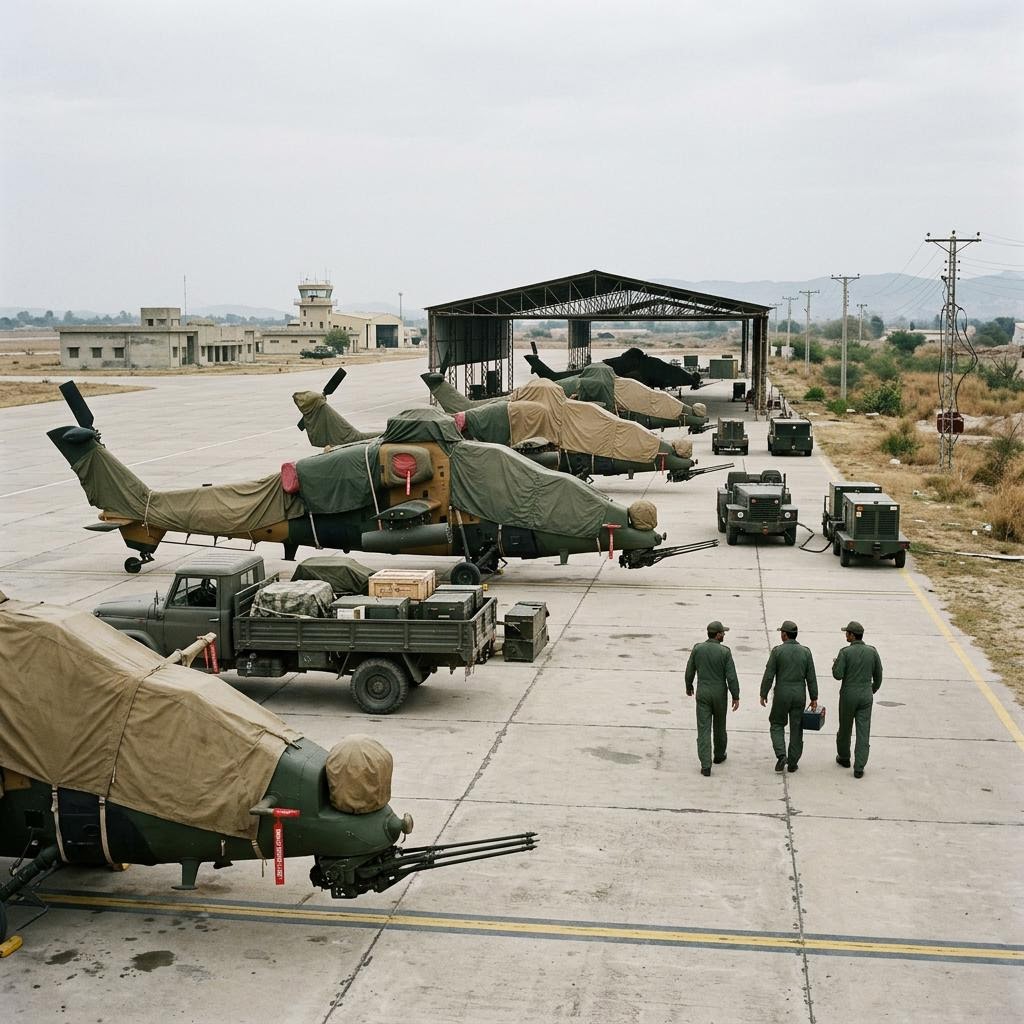
Pakistan ordered Turkish attack helicopters. A US engine licence stopped them.
Pakistan cancelled its planned 30-helicopter T129 project after a US export licence for the LHTEC T800-4A engine was not granted, Janes reported. Pakistan then pursued China’s Z-10ME; no replacement delivery is established.
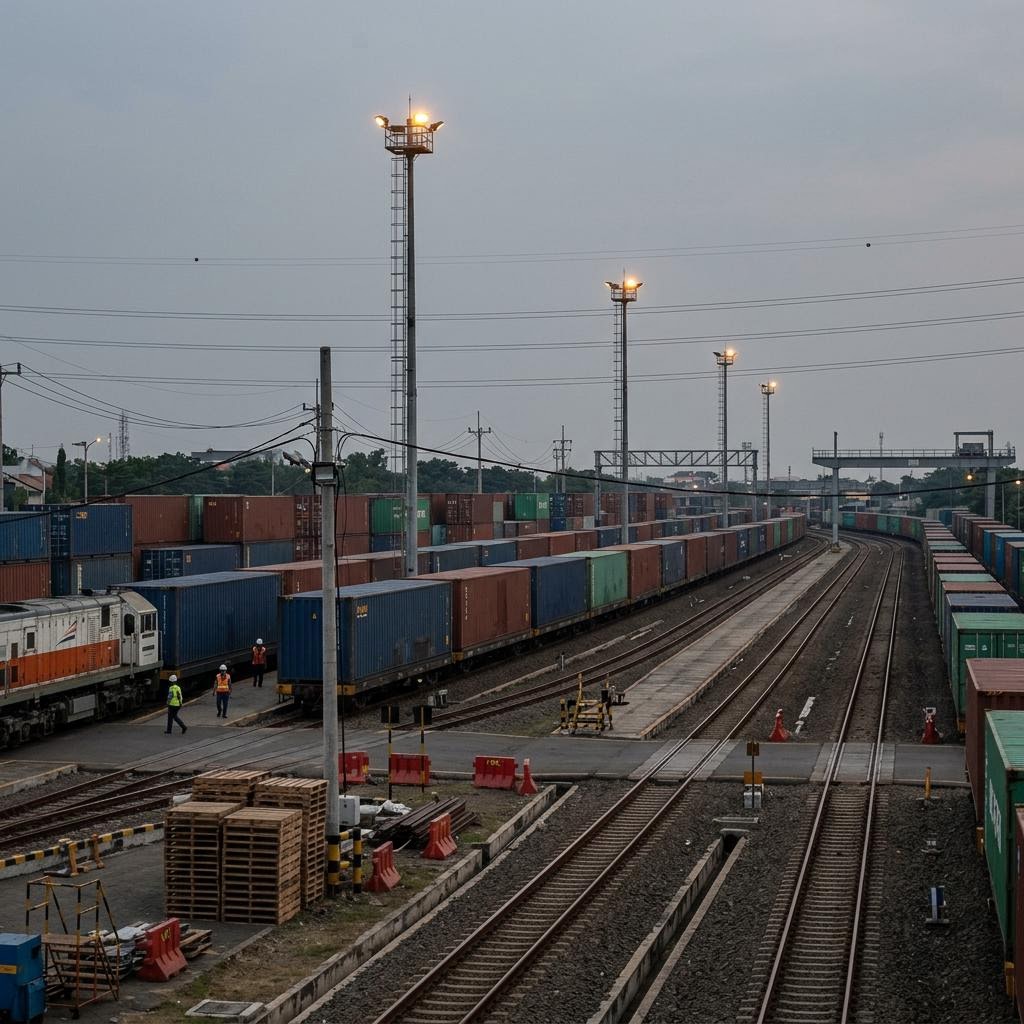
Indonesia announced 11 Su-35s in 2018. Its air force walked away in 2021.
Indonesia’s 2018 contract announcement and 2021 account of an unsigned deal conflict. Jakarta’s air-force chief said it had abandoned the Su-35 plan; Russia’s ambassador still called it pending in 2025.
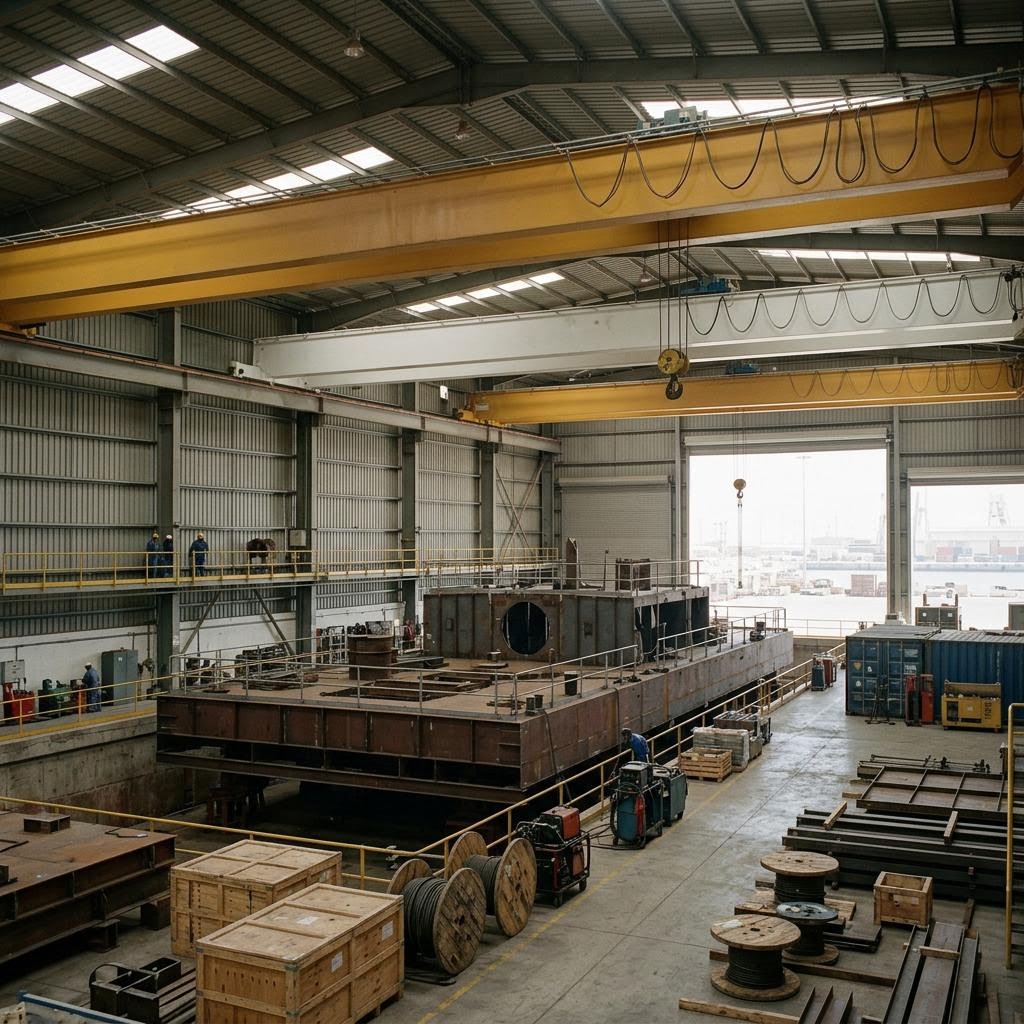
The UAE paused F-35 talks. Washington still wanted the operating terms.
The UAE suspended talks over a reported $23 billion package for 50 F-35s, up to 18 armed drones and munitions. Abu Dhabi cited operating conditions and cost, while Washington insisted on end-use and technology safeguards.
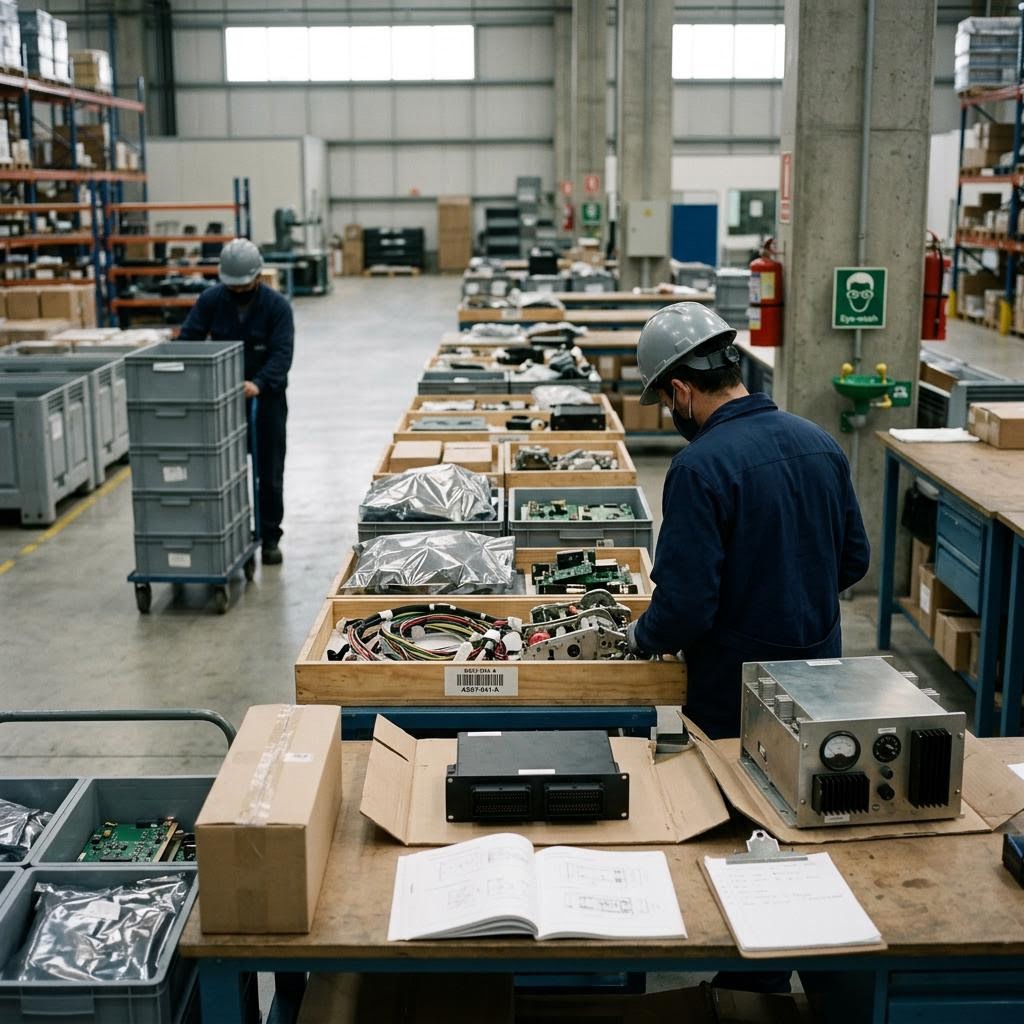
Argentina needed fighters. British export rules narrowed the shortlist.
British-origin content and UK export policy narrowed Argentina’s fighter choices, including the FA-50 option reported in 2021. The sources establish a procurement barrier and an unresolved shortlist, not a signed contract or formal denial.
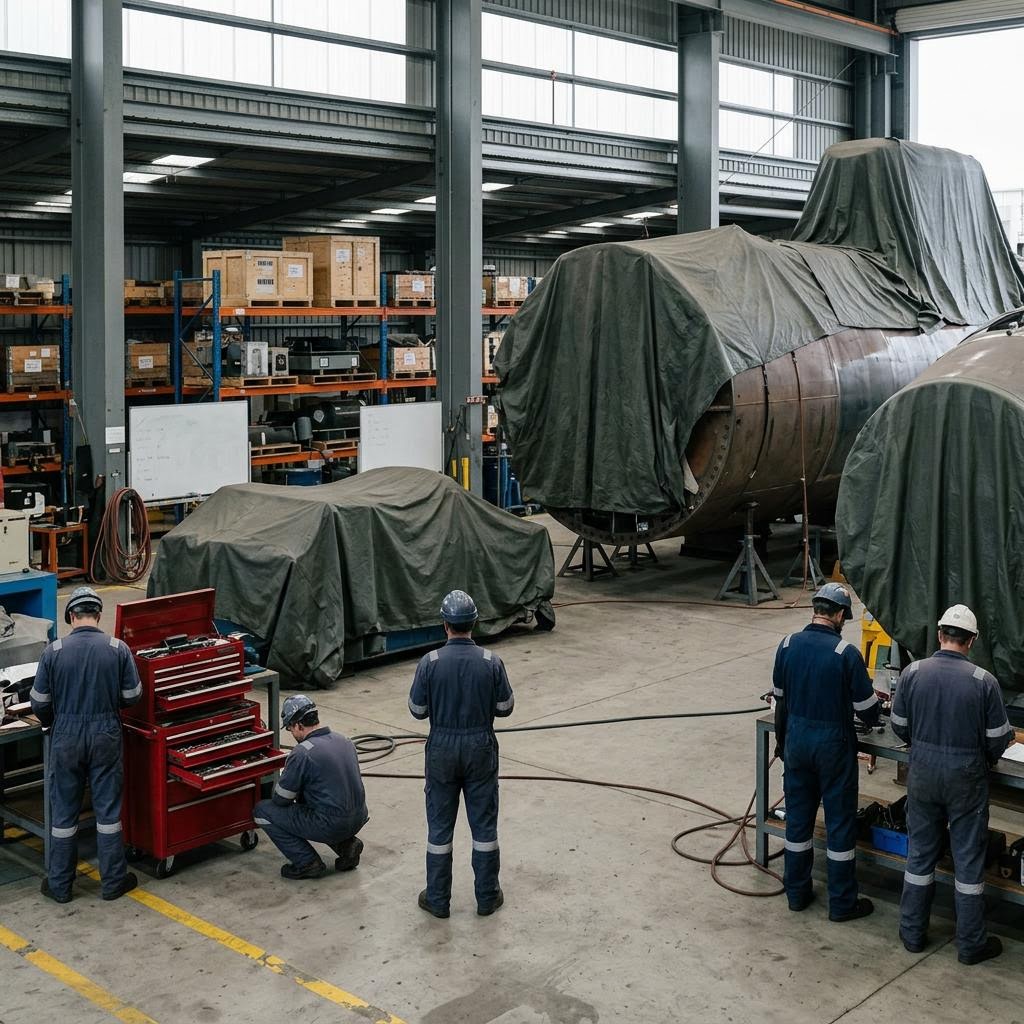
Australia cancelled 12 French submarines. It started again with nuclear boats.
Australia ended its planned twelve-boat French Attack-class programme on 16 September 2021 and announced AUKUS instead. The alliance shift reset the submarine pathway while nuclear technology, industrial capacity and delivery timing remained to be developed.
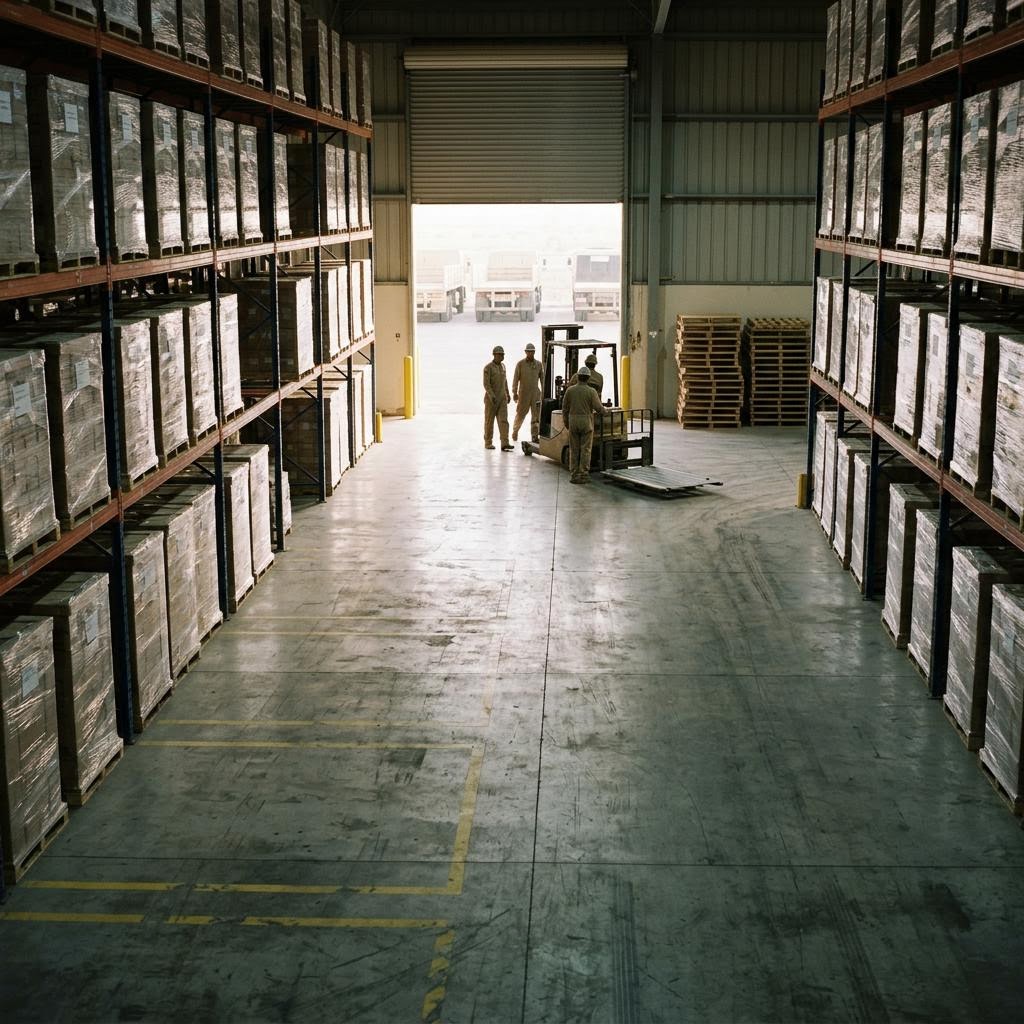
The US removed Saudi missile defences while attacks from Yemen continued.
The United States removed Patriot batteries and a THAAD unit from Prince Sultan Air Base in September 2021 while Houthi attacks continued. AP satellite reporting shows a changed US deployment, not the disappearance of Saudi air defence or proof that a specific strike followed from the move.
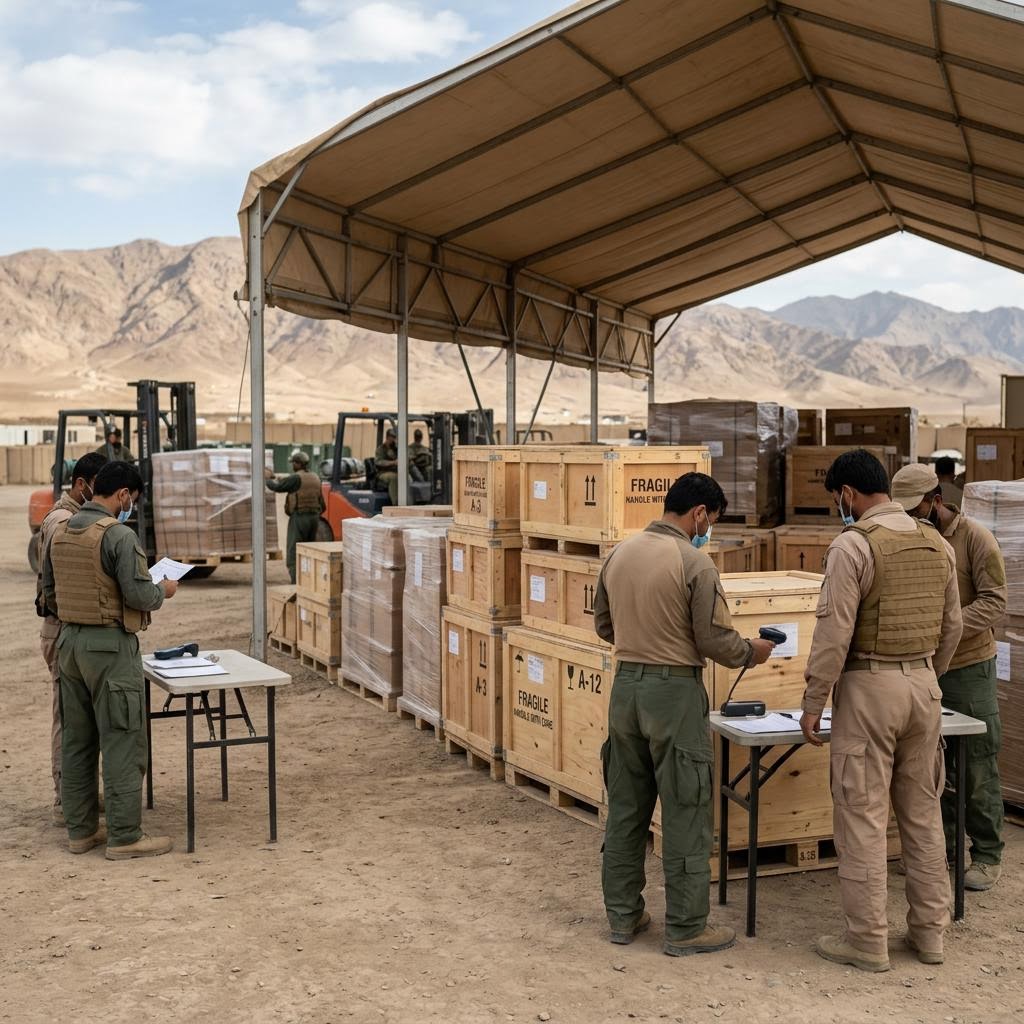
Afghanistan owned the force. Contractors kept it working.
SIGAR found that the withdrawal of US forces and contractors was the most important near-term factor in the ANDSF’s collapse. Maintenance, aircraft availability, air support and logistics depended on an external system the Afghan force could not quickly replace.
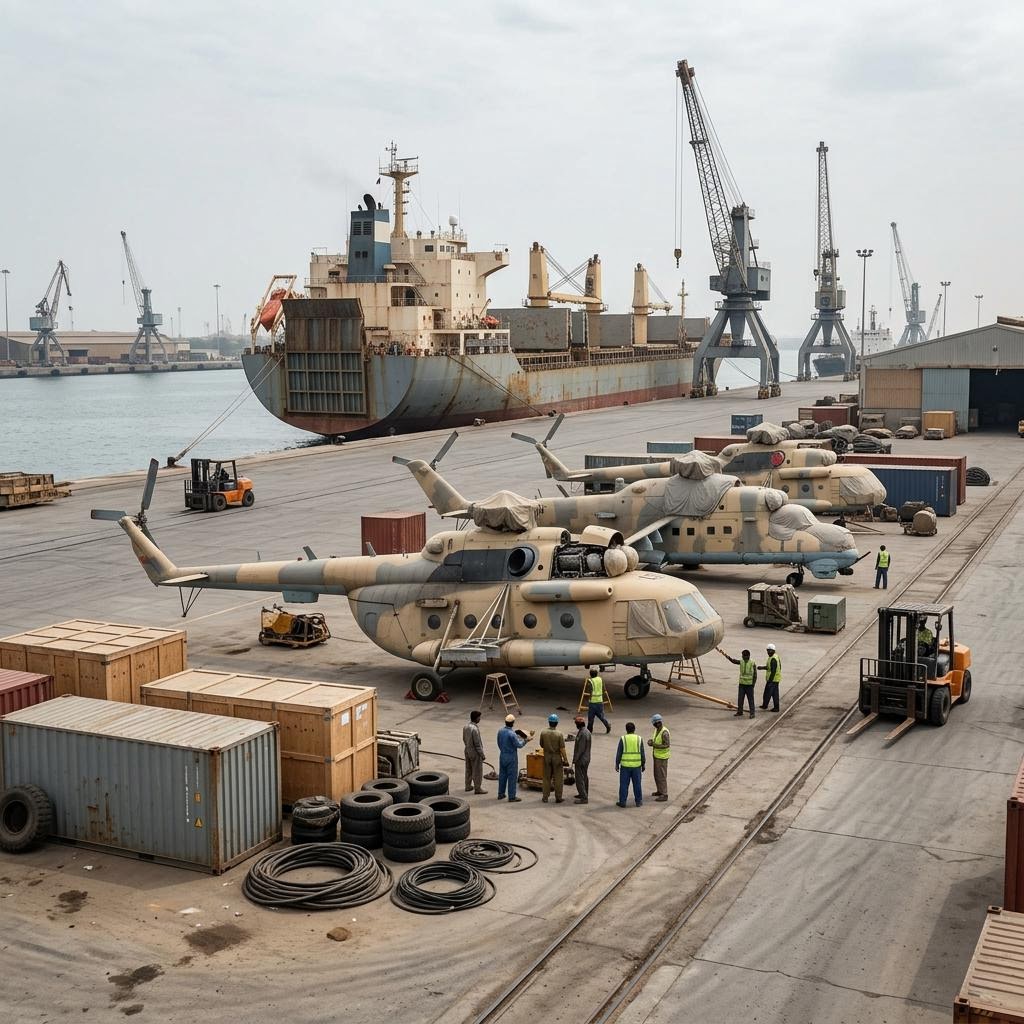
Afghanistan had aircraft. Contractors made them fly.
The Afghan Air Force owned aircraft but relied heavily on foreign contractors to maintain them. A January 2021 assessment warned that the fleet might remain combat-effective for only a few months after contracted maintainers withdrew.
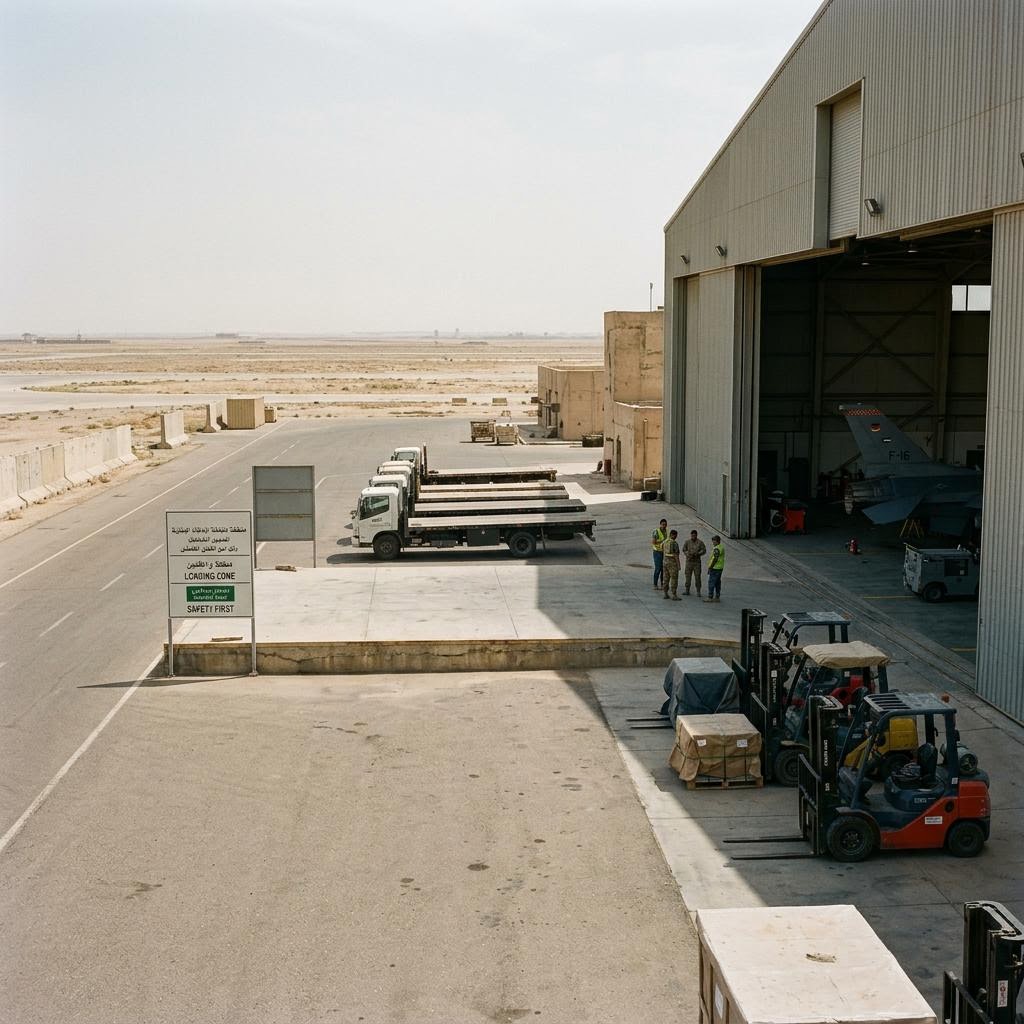
Rockets hit Balad. Lockheed moved Iraq’s F-16 team out.
Lockheed Martin relocated its Iraq-based F-16 maintenance team from Balad on 10 May 2021 after rocket attacks. Remote support was planned, but no aircraft count, duration or readiness effect was reported.
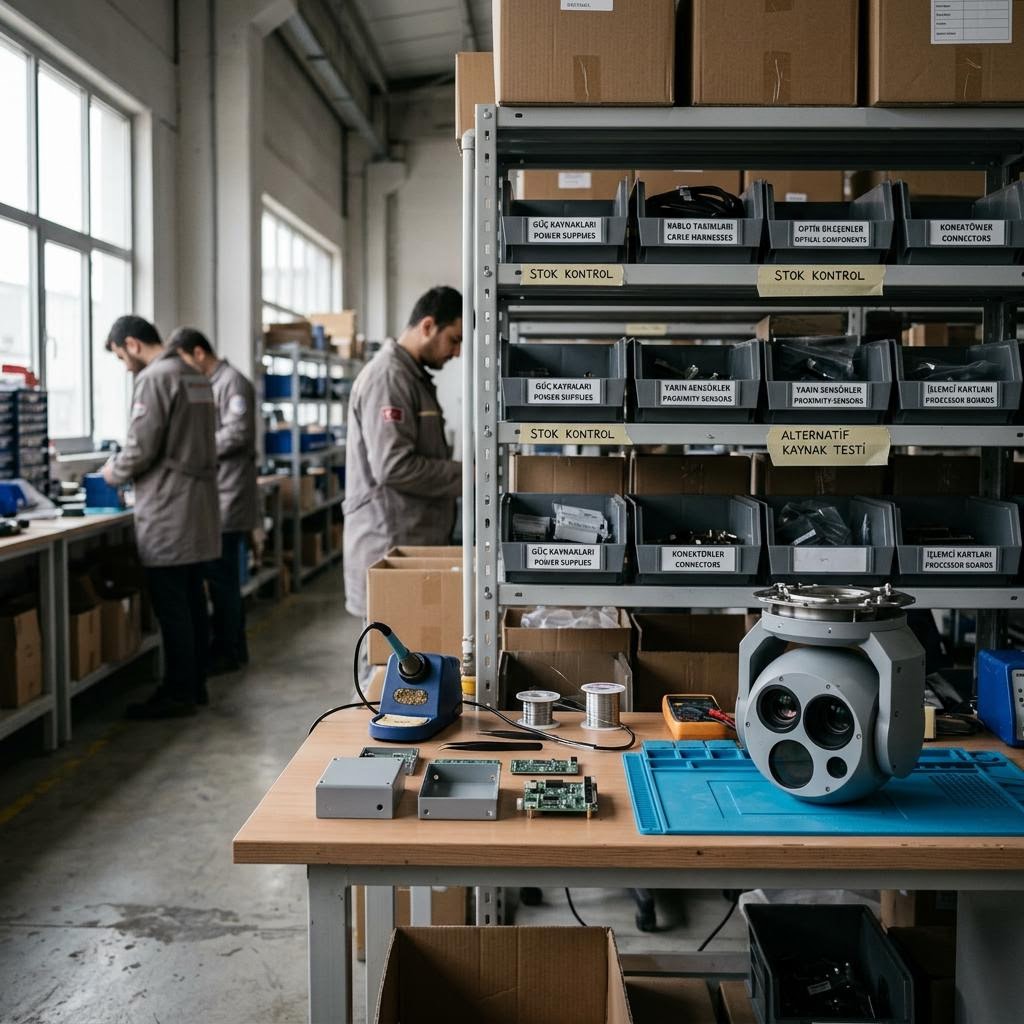
Canada found its sensors in a war. Turkey lost the export permits.
Canada cancelled suspended export permits to Türkiye in April 2021 after finding credible evidence that Canadian sensors on Turkish UAVs had been used in Nagorno-Karabakh. The decision changed sourcing, but did not ban all Turkish drones or establish a quantified production loss.
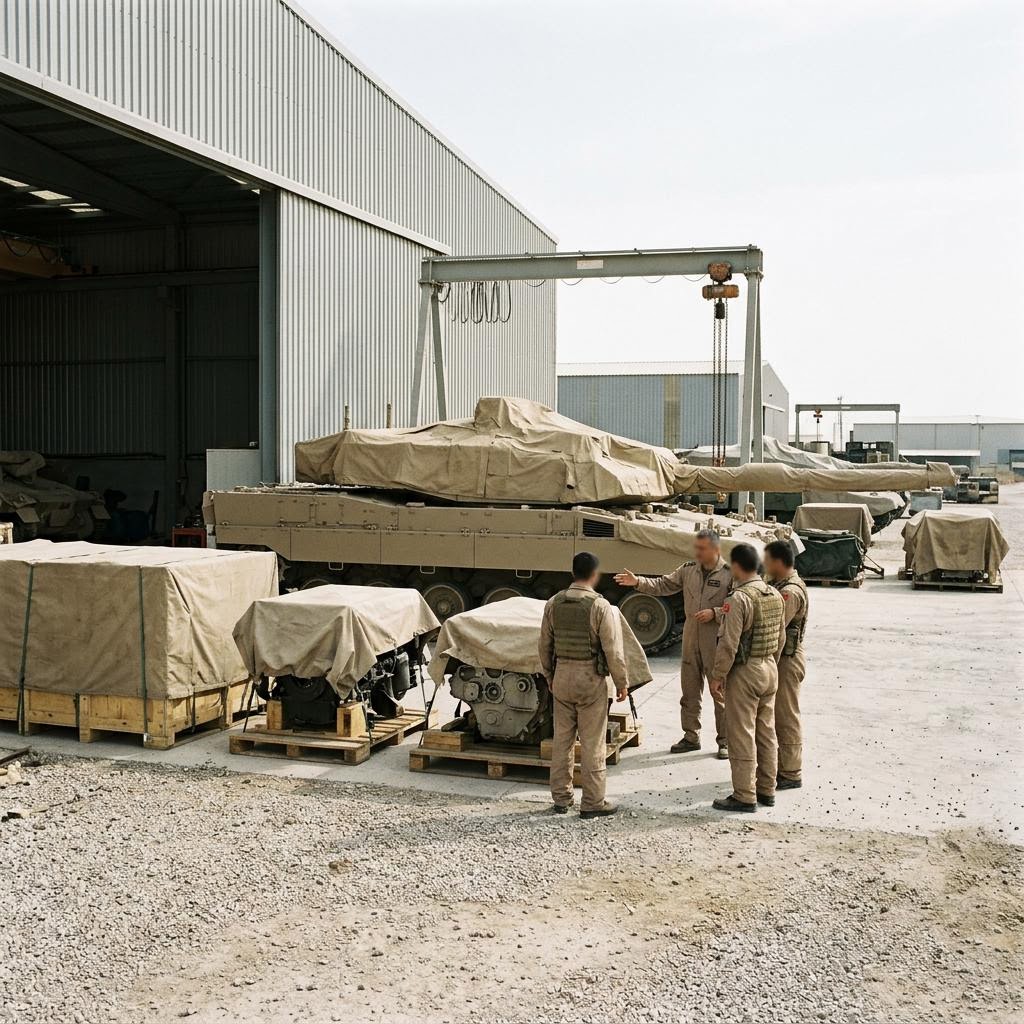
Turkey built an Altay tank. Germany’s engine and transmission did not come.
German export restrictions blocked the intended MTU engine and RENK transmission for Turkey’s Altay tank. BMC then arranged a South Korean powerpack, but integration and testing still stood between the agreement and serial service.
Armenia had a CSTO guarantee. Nagorno-Karabakh did not.
Armenia belonged to the CSTO, but the alliance’s collective-defence commitments did not officially extend to Nagorno-Karabakh, internationally recognised as Azerbaijani territory. Russia brokered the ceasefire and deployed peacekeepers without turning the 2020 war into a CSTO combat intervention.
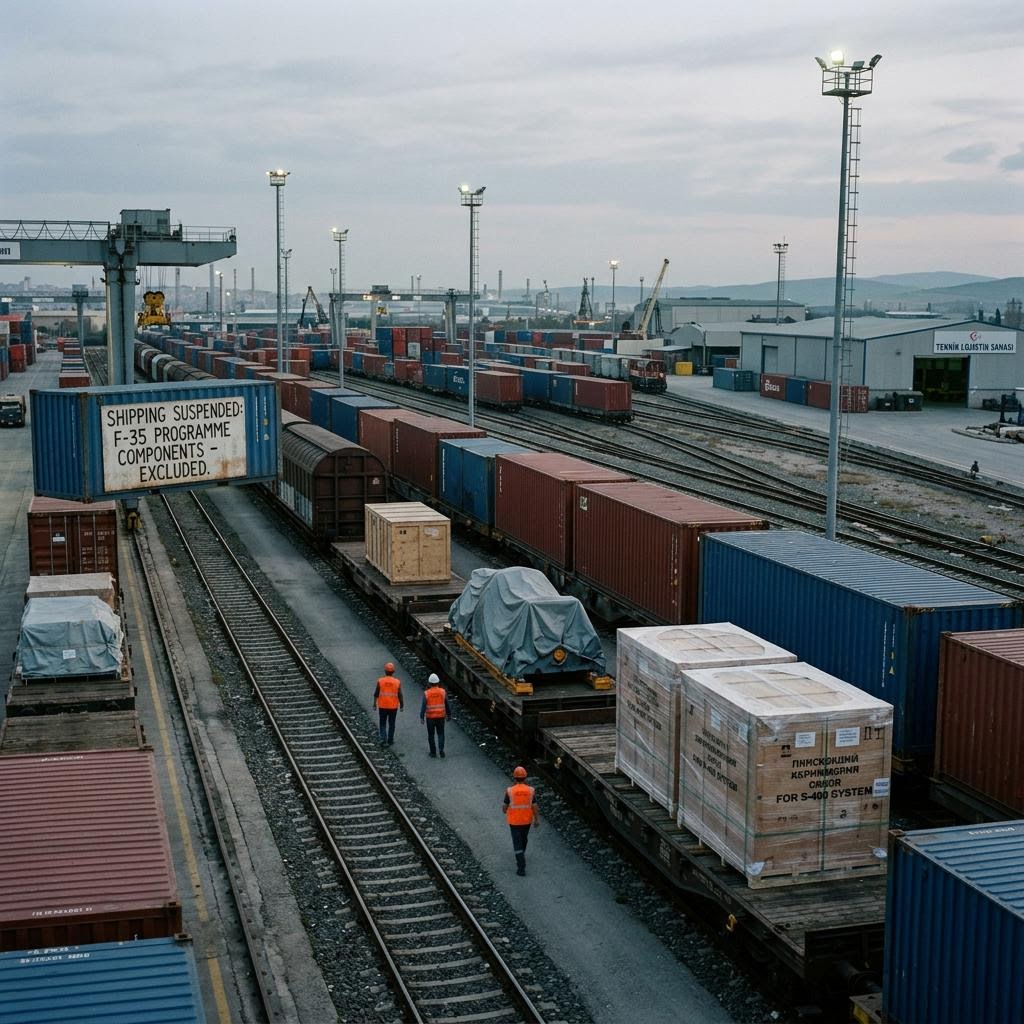
Turkey bought Russia’s S-400. It lost its F-35 place.
The first S-400 components arrived in July 2019. Washington began removing Turkey from the fighter programme it had helped build.
Khashoggi was murdered. Germany froze new Saudi arms licences.
Berlin’s November 2018 moratorium stopped new licences and was extended six months in March 2019.
South Sudan’s arms market got a UN deadline
Resolution 2428 made covered arms transfers unlawful without an applicable exemption from 13 July 2018 to 31 May 2019.
Egypt wanted French Rafales. A US part held up the missiles.
France could sell the aircraft, but Washington would not clear a US component in the SCALP missile package, French ministers said in 2018.
Manila signed for 16 Canadian helicopters. Duterte tore up the deal.
Canada reviewed the $233 million Bell 412 agreement after a dispute over end use. The Philippine president then ordered its cancellation.
Europe added an arms barrier to Venezuela’s shrinking market
The EU’s 13 November 2017 measures covered arms and equipment that might be used for internal repression, surveillance equipment and related finance.
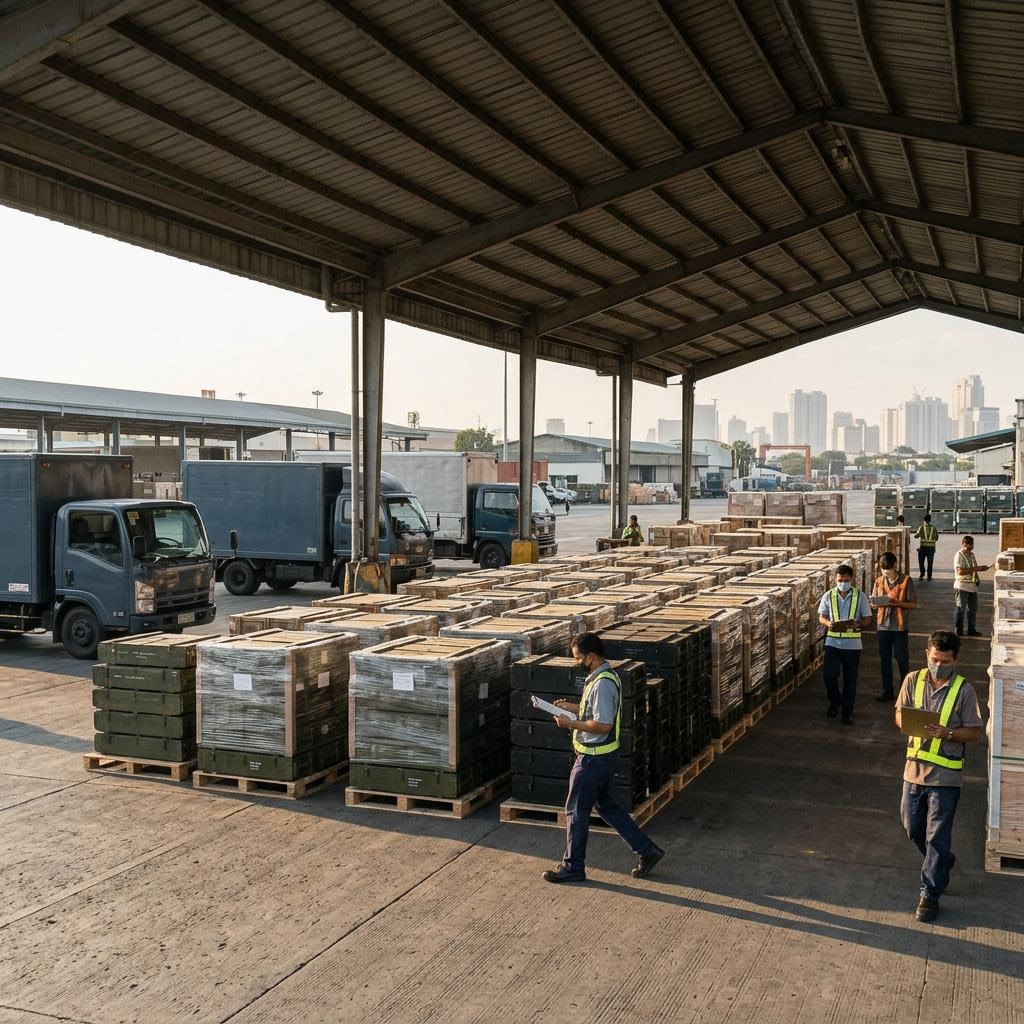
About 26,000 US rifles met one senator’s objection
The State Department halted the proposed Philippine police sale in 2016 after Senator Ben Cardin said he would oppose it.
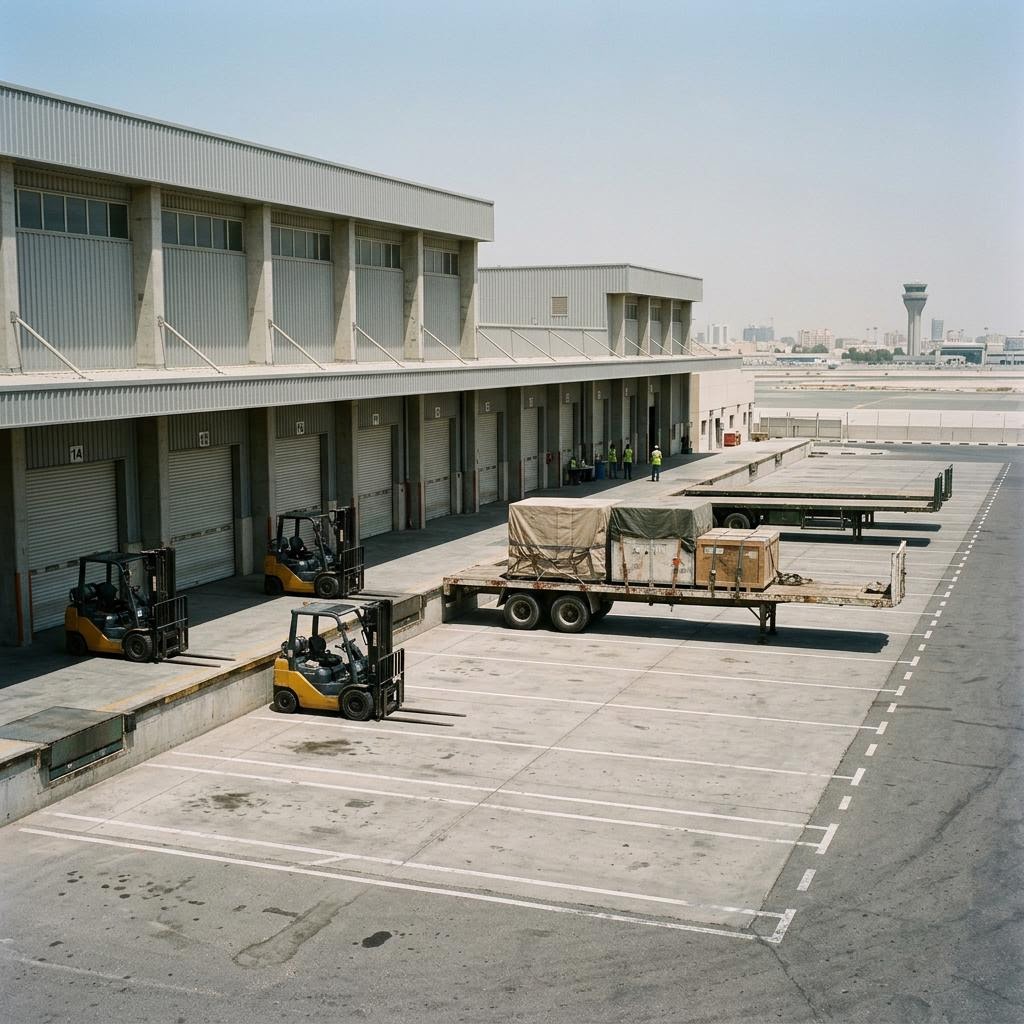
Bahrain’s F-16s waited for a different White House
The Obama administration pulled back a proposed sale over rights concerns. The Trump administration reopened a $4.867 billion package for 19 fighters.
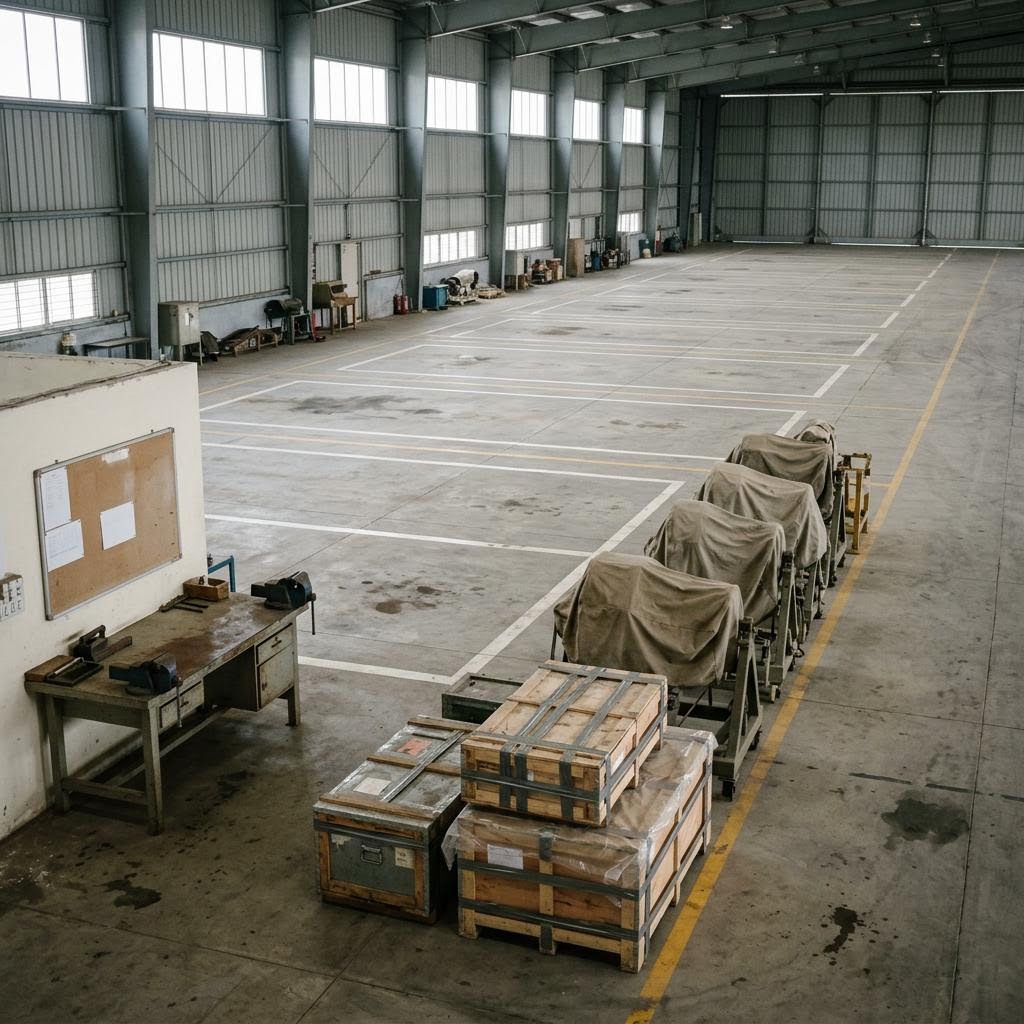
Pakistan could still buy eight F-16s. It just had to find $430 million more.
Congress blocked US financing for the 2016 package, leaving Pakistan with the full cost of aircraft the administration still wanted to sell.
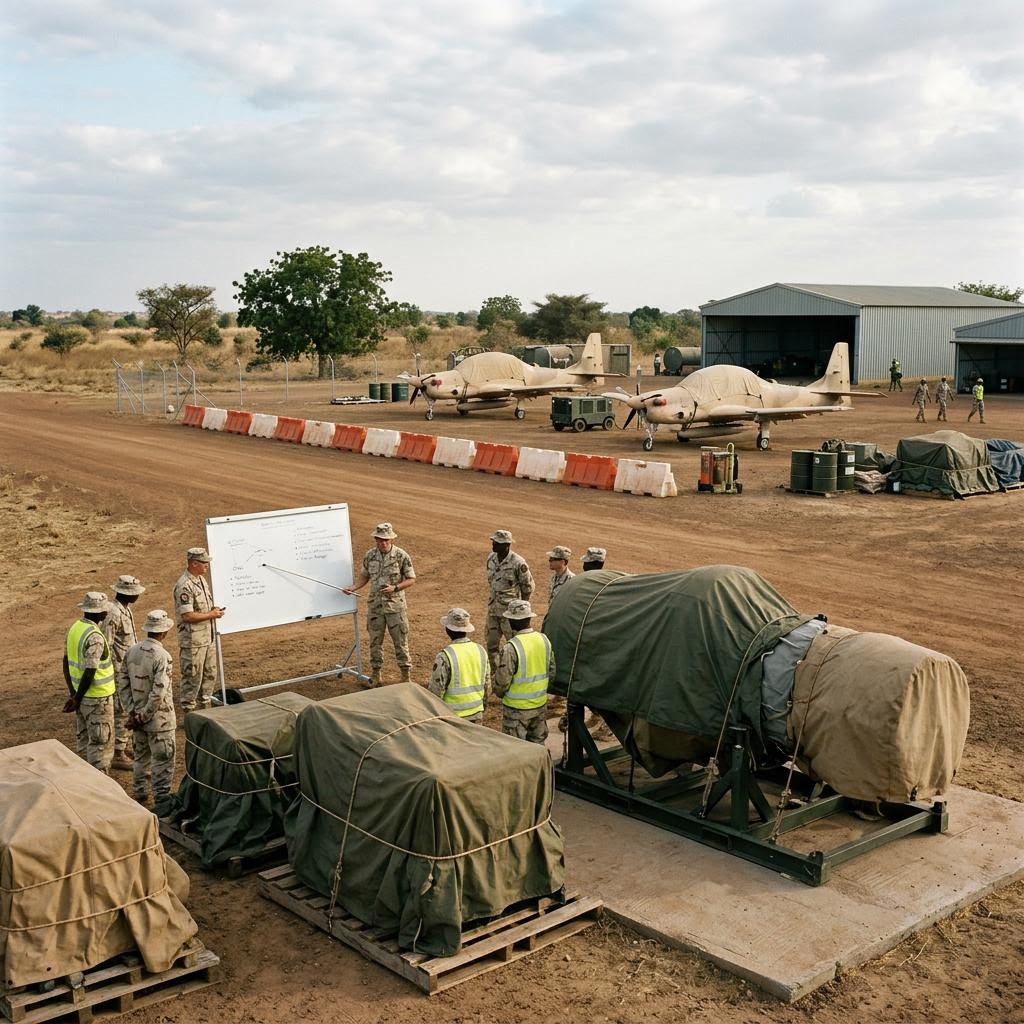
Nigeria wanted Super Tucanos for Boko Haram. Washington made them wait.
A rights-based US hold delayed the A-29 sale. A new administration cleared the 12-aircraft package in 2017.
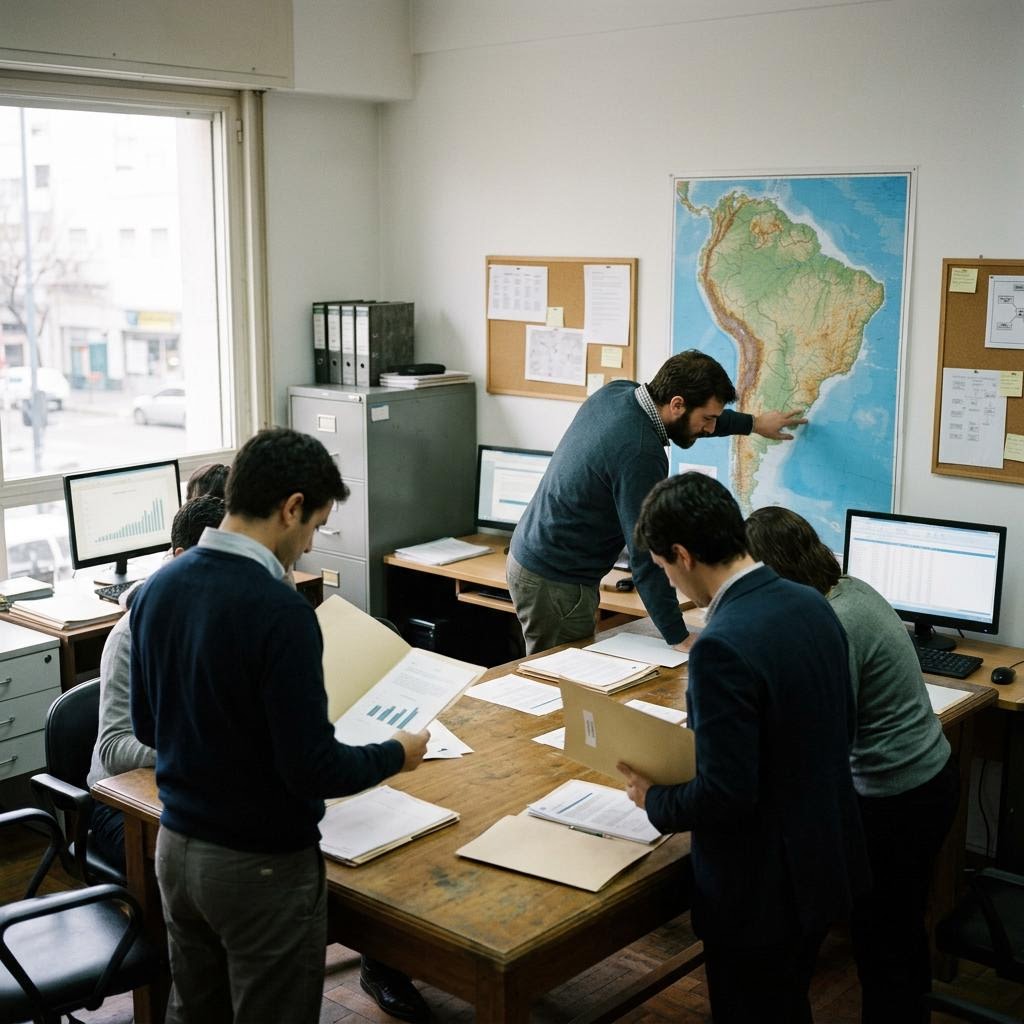
Argentina shopped for fighters. British parts kept appearing at the checkout.
The reported Kfir and Gripen difficulties showed how British-origin parts and US engines could shape a deal whose advertised supplier was elsewhere.
Russia stopped Iran’s S-300s for five years. Then it reopened the deal.
The 2007 contract was suspended in 2010 and reinstated in 2015. The reviewed reporting does not document a technology transfer or a specific shipment.
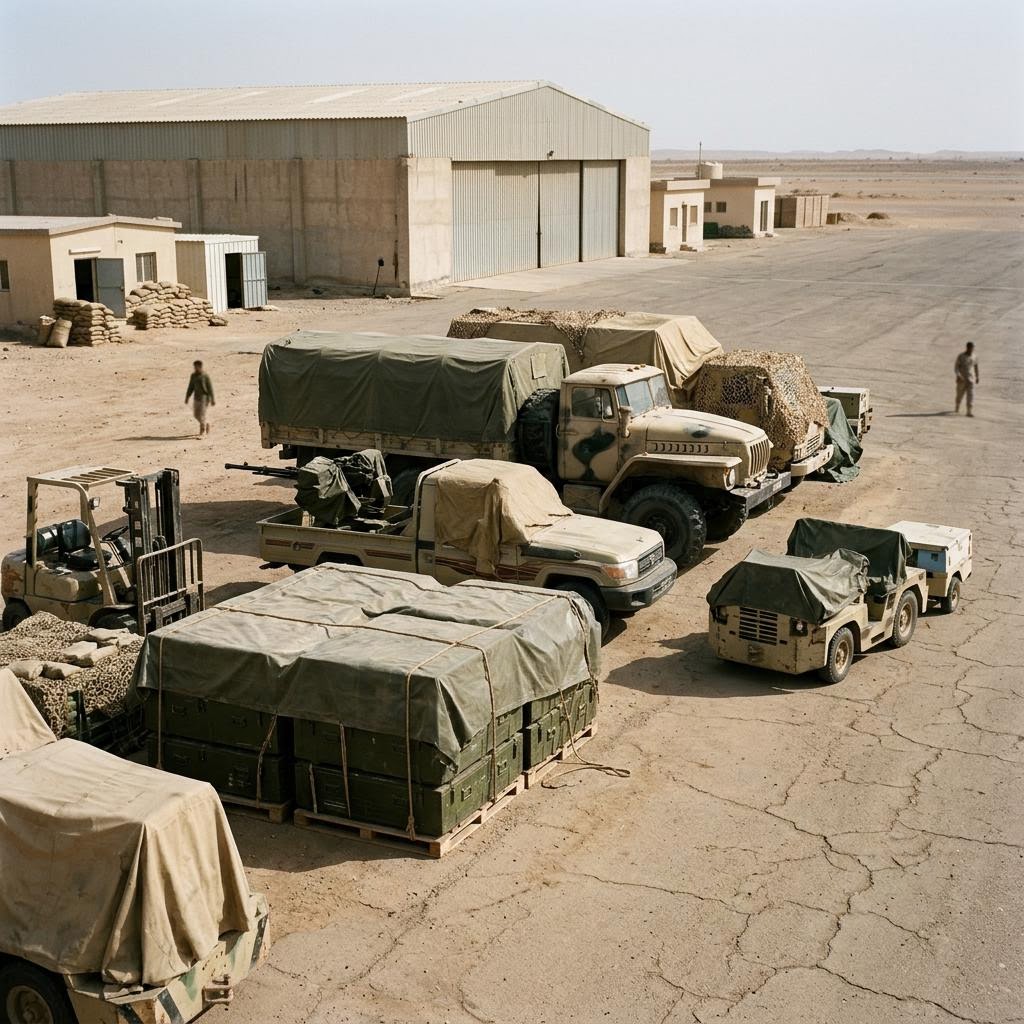
Yemen’s UN arms embargo did not target Yemen. It named people.
Resolution 2216 barred direct and indirect transfers to named and committee-designated individuals and entities from April 2015.
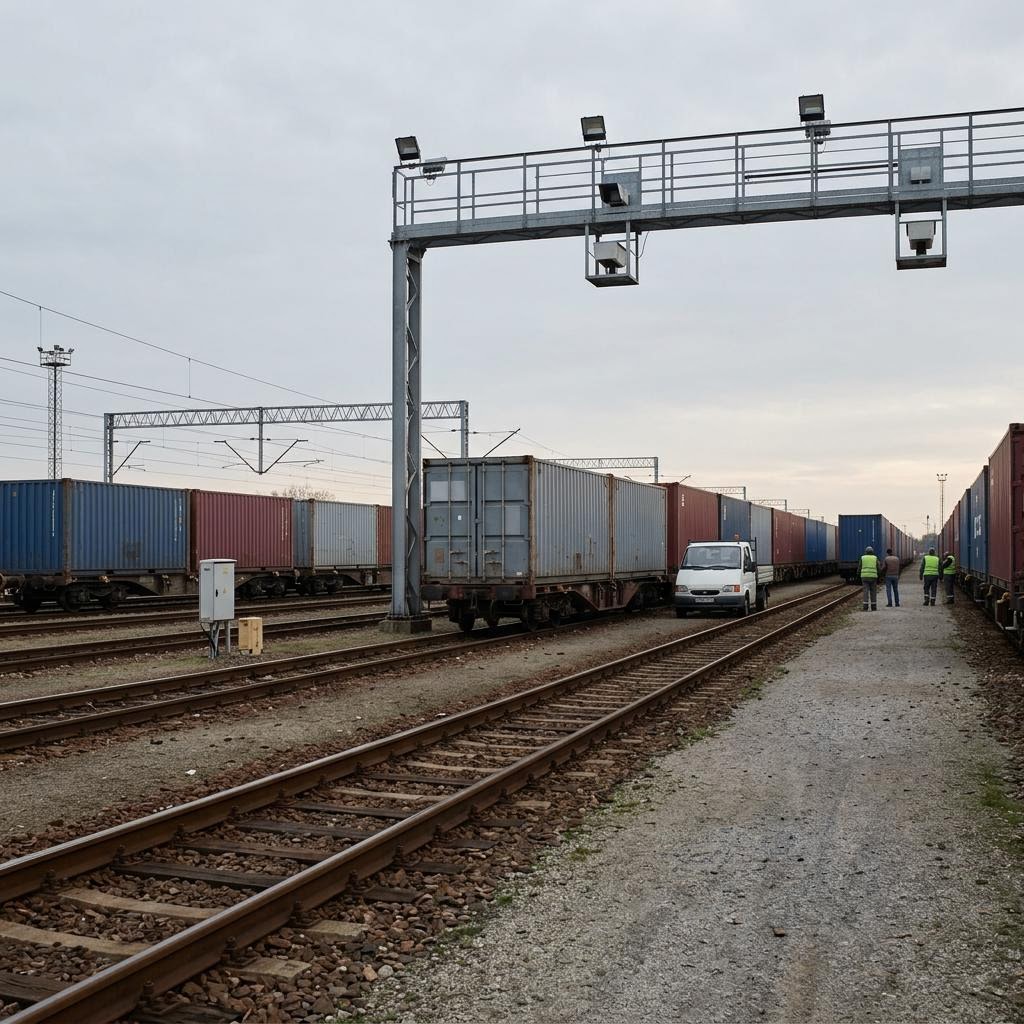
Ukraine asked for weapons in 2014. Washington sent radios, not missiles.
US aid included body armour, vehicles and counter-mortar radars, while the Obama administration declined lethal assistance until policy changed in 2017.
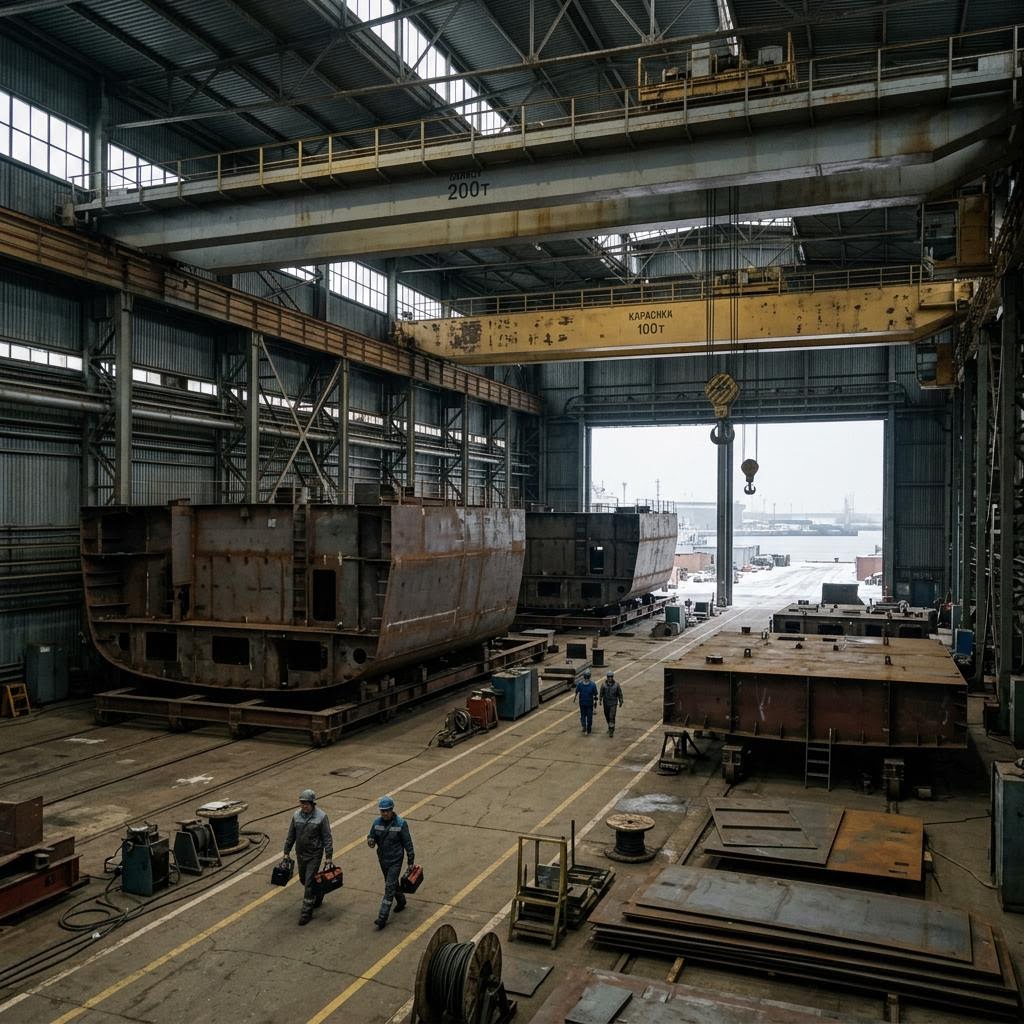
France built Russia two warships. Then it kept them.
The Mistrals were completed at Saint-Nazaire, but Paris cancelled delivery in 2015 and agreed to reimburse Moscow.
Russia’s European arms route closed before the 2022 invasion
EU measures from July 2014 barred arms, military services and certain dual-use transfers. The regime widened after the full-scale invasion.
Ukraine cut Russia from 3,000 defence links. Both sides had to find replacements.
Kyiv’s 2014 ban on military-industrial cooperation with Russia hit a Soviet-era production web, not one single weapons contract.
In the Central African Republic, arms imports needed a UN answer first
The UN embargo began as a prohibition with exemptions, then shifted to a notification regime for government imports in 2018.
Egypt’s F-16s, Apaches and tanks became Washington’s post-coup decision
The United States suspended selected deliveries in October 2013. It released them again in 2015 while recasting future military financing.
Europe told Egypt it would stop repression equipment. The promise was not an embargo.
EU foreign ministers agreed to suspend export licences for equipment usable in internal repression after the August 2013 violence.
Belarus lost the EU arms route after a 2011 crackdown
The EU added an arms embargo to restrictive measures in June 2011, tying the decision to post-election repression and political prisoners.
The EU closed Syria’s arms route, then briefly made exceptions for the opposition
The 2011 embargo was modified in 2013 before it expired. The legal changes matter more than a blanket story about Europe simply stopping arms.
Libya’s legal arms market ran through a sanctions committee
Resolution 1970 barred arms transfers in 2011 while allowing committee-approved exemptions. The regime changed as Libya’s conflict changed.
Venezuela wanted Brazilian Super Tucanos. US parts said no.
Brazilian officials cited US technology in the proposed Embraer sale; Venezuela then bought Chinese K-8 trainers.
Eritrea’s UN embargo lasted nine years, and it covered more than guns
Resolution 1907 barred arms, military assistance and finance in 2009. The Security Council ended the measure in 2018.
Guinea’s 2009 crackdown closed West African and European arms channels
ECOWAS and the EU acted after security forces killed protesters in Conakry. Their measures were related but not identical.
Georgia bought Israeli weapons. Israel reportedly stopped the next sale under Russian pressure.
The reported 2008 freeze concerned future transfers, not a claim that Israel disarmed Georgia or that every prior sale was reversed.
North Korea’s arms embargo started with big weapons. It did not stop there.
UN restrictions tightened in 2006, 2009 and 2016, expanding from major systems to small arms and wider military support.
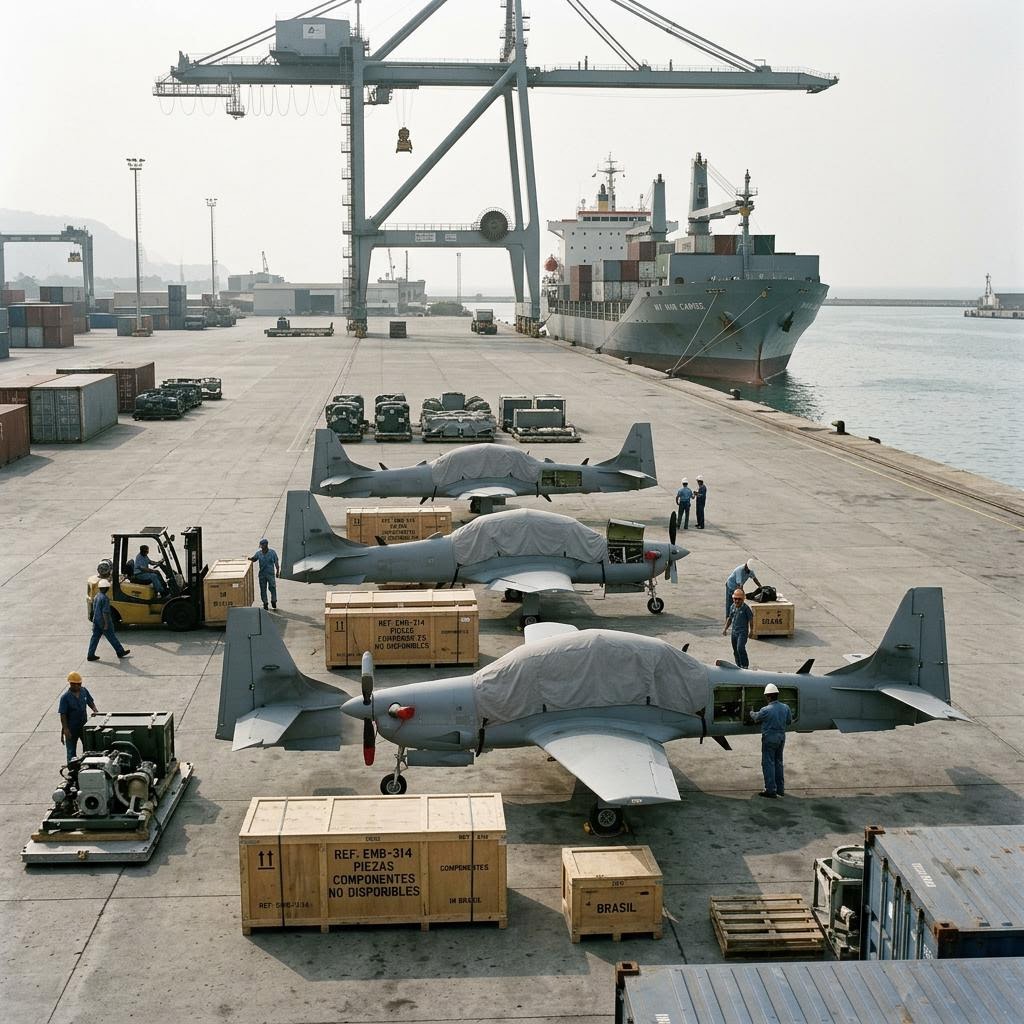
Venezuela wanted Brazilian aircraft. US technology vetoed the sale.
Embraer’s proposed Super Tucano deal foundered because US-origin components required Washington’s approval.
Venezuela’s F-16s needed US spares. Caracas went shopping in Moscow and Beijing.
US restrictions did not erase the F-16 fleet, but they narrowed its support route as Venezuela sought Russian and Chinese alternatives.
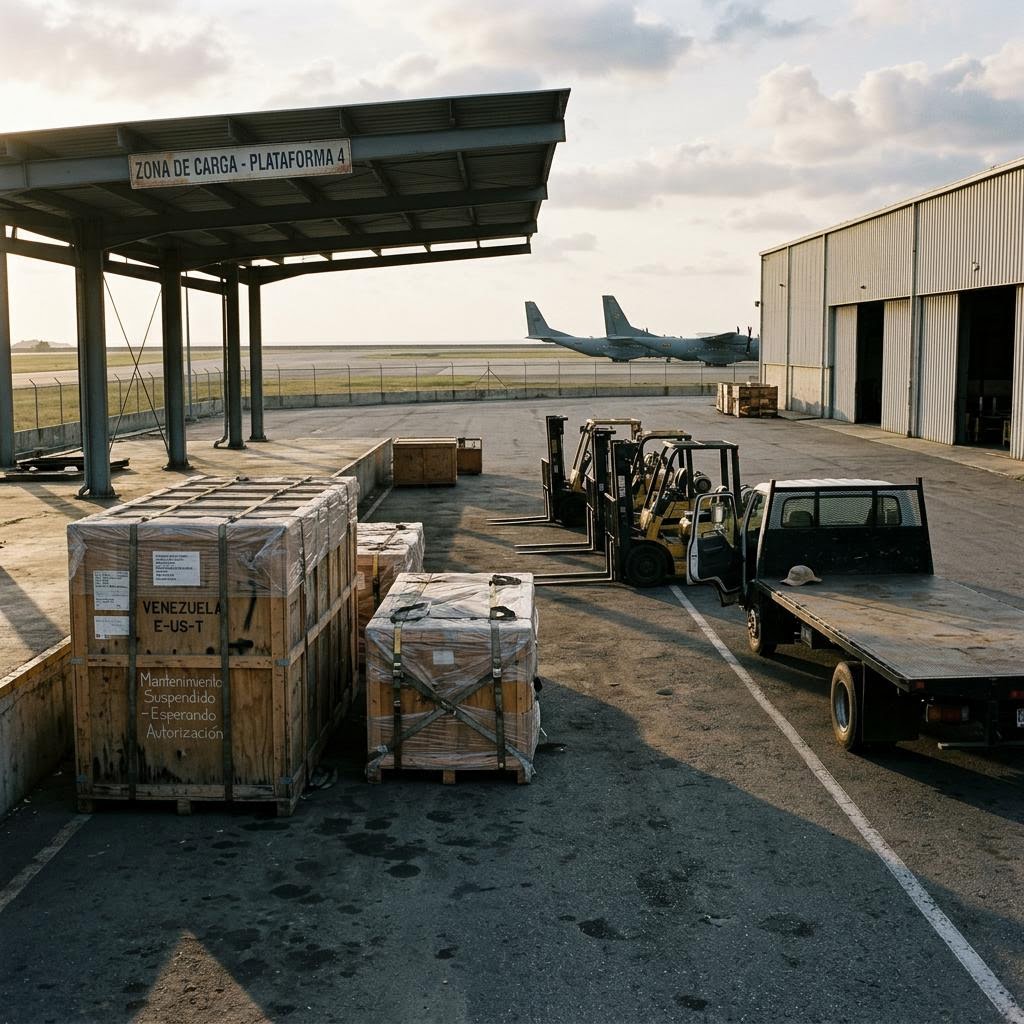
Spain could offer Venezuela aircraft. US components could still stop them.
A proposed Spanish sale of C-295 transport aircraft was reportedly blocked because the aircraft contained US-origin technology.
After Andijan, Uzbekistan lost Europe’s arms route
The EU embargo followed the 2005 killings in Andijan and was lifted in 2009 after a phased loosening of other sanctions.
Israel repaired China’s Harpy drones. Washington stopped the upgrade.
US pressure ended work on the Israeli-made drones in 2005, straining a relationship built around an earlier sale.
Nepal lost Western military aid during its emergency. It looked east.
India, the United States and the United Kingdom cut or reviewed assistance after King Gyanendra seized power in February 2005.
Côte d’Ivoire’s embargo had a door for the government. It needed UN permission.
Resolution 1572 barred arms transfers in 2004 but allowed exemptions, including equipment for Ivorian forces approved in advance.
The EU embargoed Zimbabwe’s arms, services and finance
The 2002 measures were broader than a ban on shipments. They also covered technical assistance, brokering and related financing.
Liberia’s arms embargo narrowed before it disappeared
The UN first shut the arms route in 2003, then eased it for the government and security-sector reform before ending it in 2016.
The Taliban embargo moved from a list to territory
Resolution 1333 tightened the 2000 restriction by covering arms supply to Taliban-controlled territory as well as designated people.
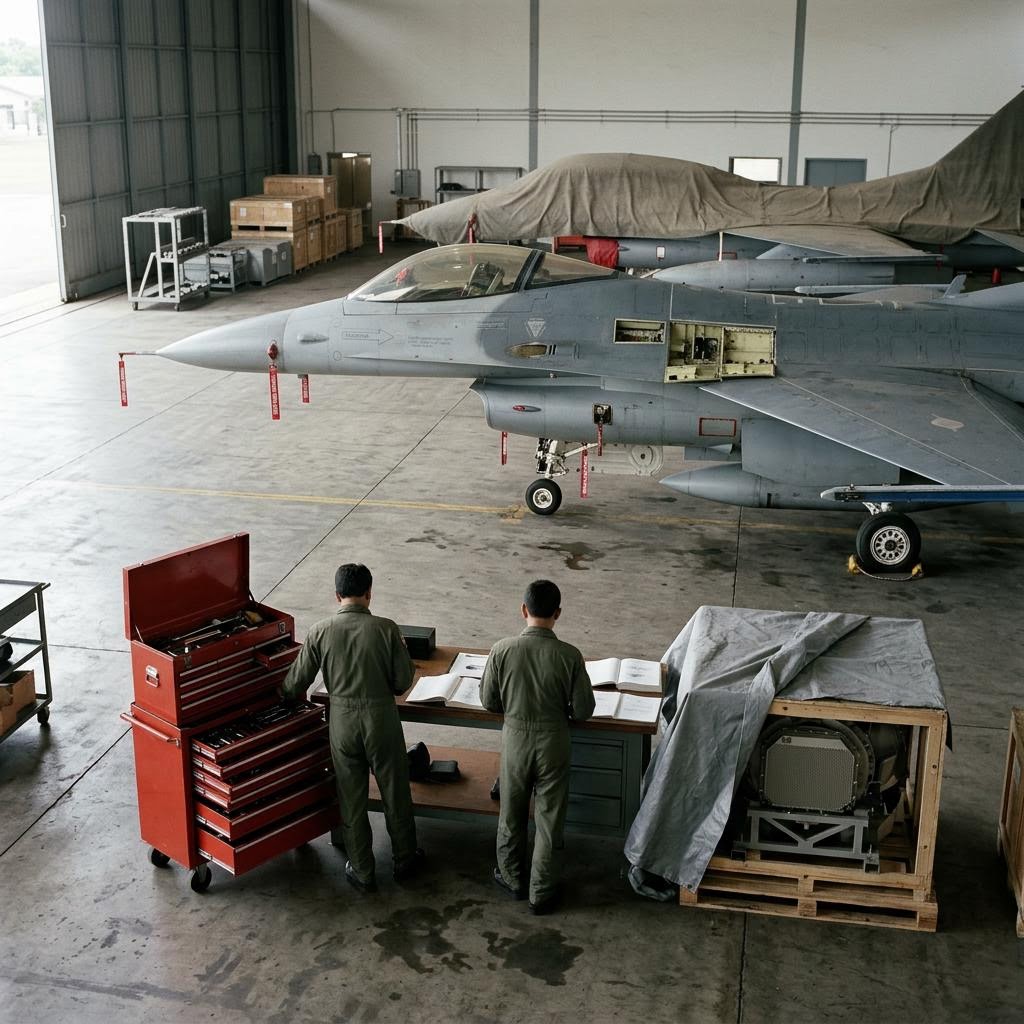
Indonesia had 233 fighters. Its air force said half were grounded for lack of US spares.
In December 2001, Indonesian commanders said the US embargo had left only 40 to 50 percent of the fighter fleet operational.
Israel built China an airborne radar. US pressure stopped the handover.
The Phalcon deal was cancelled in 2000 after Washington objected, leaving Israel to compensate China for the failed sale.
Eritrea and Ethiopia were both embargoed. The war did not choose one customer.
Resolution 1298 barred arms, training and military finance to both belligerents in May 2000. The Council lifted it one year later.
Ethiopia and Eritrea went to war. The UN embargoed them both.
Resolution 1298 treated the two belligerents as recipients of the same arms, training and finance ban from May 2000 to May 2001.
Britain took Zimbabwe out of its open-licence system in 2000
The UK removed Zimbabwe from all open individual licences for military-list and dual-use goods on 12 May 2000.