
Some Chinese firms stopped US rare-earth shipments. Others kept trading.
Reuters reported on 4 September 2026 that some Chinese rare-earth firms halted US shipments amid geopolitical concern. The interruption was commercial in form and strategic in effect.
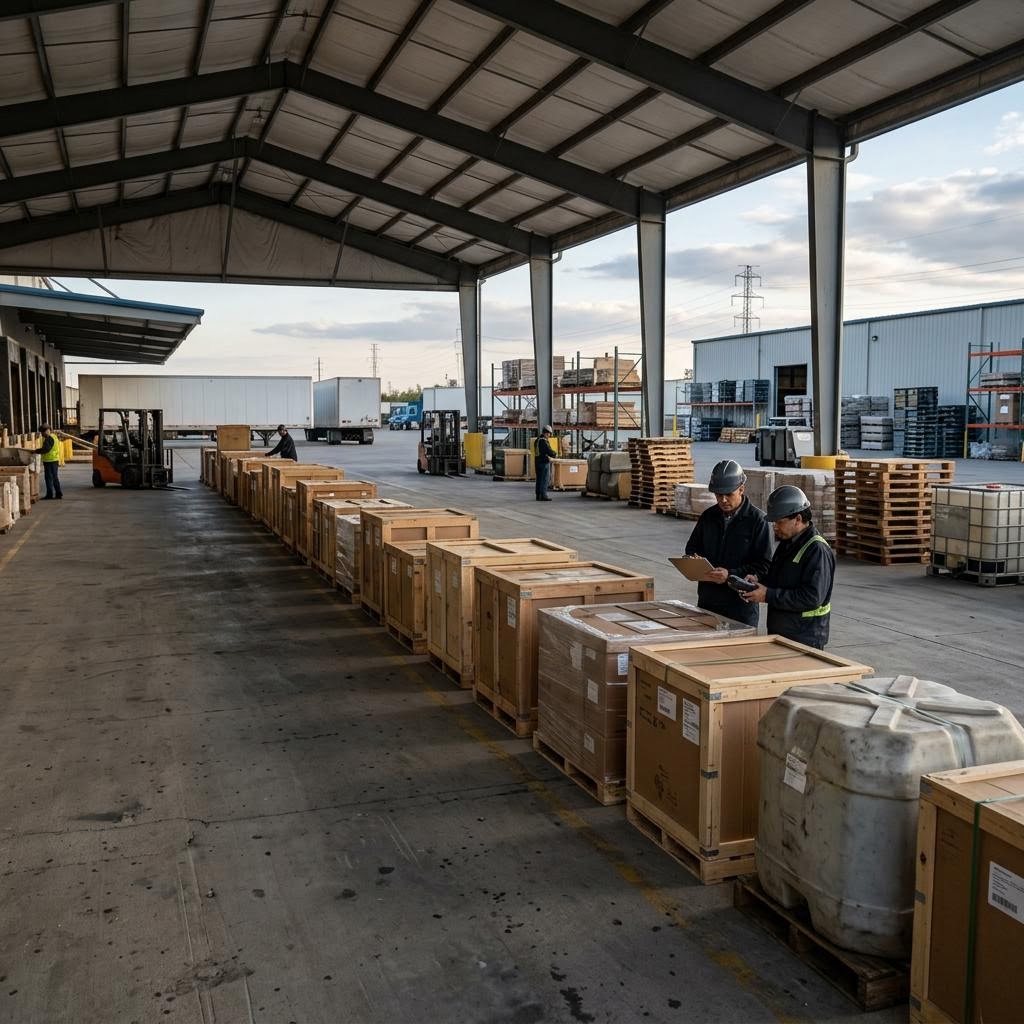
Rare-earth material is moved by shipment, not by doctrine. Reuters reported on 4 September 2026 that some Chinese rare-earth firms had halted supplies to the United States amid geopolitical concerns. For American aerospace and defence production, a supplier’s decision can arrive long before a formal embargo.
The report concerned some firms, not a published Chinese ban on every shipment. That distinction matters. A refusal by individual suppliers is still capable of disrupting purchasers whose qualified materials and processing routes are concentrated in one market.
The episode also separates an input from the equipment that uses it. The United States may own an aircraft, radar or guided munition programme, while minerals and processed materials used by its contractors remain foreign purchases. The interruption is upstream, but its pressure can travel down a production schedule.
No supplier list, volume, contract or resulting production stoppage was made public in the cited report. What is established is narrower and more useful: in September 2026, geopolitical concern was sufficient for some Chinese firms to stop US shipments. The unanswered question is how much stock American manufacturers had before that decision.
Reuters said the refusals began in early August and involved a handful of Chinese companies. Some suppliers were concerned that material sent to the United States could be resold to users Beijing had barred. Other exports continued, and some companies were still seeking licences. This was selective restraint, not a Chinese switch thrown on every rare-earth shipment.
That distinction matters to aerospace and defence buyers. A licence, a willing exporter and a stockpile are three different things. The report did not name the materials, the companies or an affected weapons programme, so it cannot support a claim of a shutdown. It does show that access could narrow firm by firm before an American customer had a public notice to plan around.
AI-generated representative image.