
Ukraine cut Russia from 3,000 defence links. Both sides had to find replacements.
Kyiv’s 2014 ban on military-industrial cooperation with Russia hit a Soviet-era production web, not one single weapons contract.
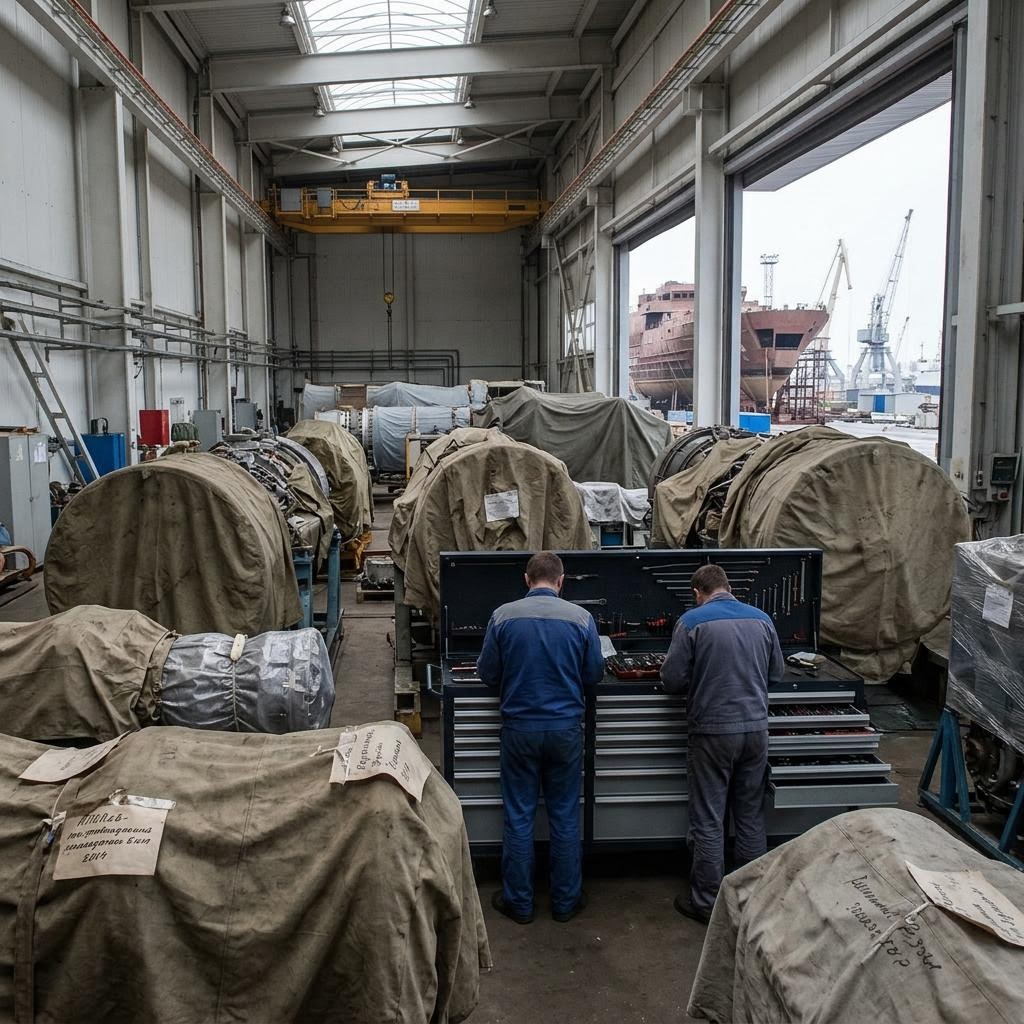
An engine supply line can end without a factory closing. In 2014, Ukraine began cutting the defence-industrial connection that Russia had inherited from the Soviet system.
Reuters reported on 27 May 2014 that Ukraine had put a moratorium on arms exports to Russia after Russia’s annexation of Crimea in March. Ukraine’s state arms conglomerate, Ukroboronprom, had cut ties with Russia after Deputy Prime Minister Vitaly Yarema said Kyiv would end military cooperation. The decision disrupted a relationship in which factories in the two countries had long supplied one another.
The dependency was not marginal. Reuters reported that around 70 percent of Ukraine’s arms exports had traditionally gone to Russia before the moratorium. The trade included rockets for missiles and helicopter engines. The article described Russian military modernisation as deeply connected to Ukrainian production and quoted defence analyst Ruslan Pukhov calling the separation deeply rooted and messy.
The supplied available reporting identifies naval gas-turbine engines and helicopter engines as affected systems. The Reuters report does not provide a complete platform list or an engine count, but it establishes why a general export halt could reach into Russian procurement. A missing engine is not a missing accessory. It can hold a ship or helicopter programme at the point where design, production and delivery meet.
The disruption was not instantaneous or uniform. Reuters reported that state-owned Yuzhmash, a major Ukrainian defence firm, was still trying to fulfil Russian orders and had promised to work around the new political direction. The company said some projects and contracts were close to breaking down. That tension matters. A government can announce a policy while companies, contracts and existing production continue to unwind.
Ukraine’s policy also reflected the danger it believed the industrial relationship had created. Yarema said it was madness to manufacture products for Russia that could later be used against Ukraine. The statement records a political justification for ending cooperation. It does not prove that every Ukrainian-made component had been used against Ukrainian forces or that all contracts ended on the same day.
Russia faced a replacement problem. Reuters said the moratorium had thrown a wrench into Moscow’s plan to spend more than $600 billion on new arms and equipment through 2020. It also reported that Russian lawmakers suggested writing off Ukraine’s $3.5 billion gas debt in exchange for shares in Ukrainian defence industries. Those figures describe a broader modernisation and political proposal, not the value of engines blocked by the moratorium.
AI-generated representative image.