
India ordered five S-400s. Two were still awaited.
India bought five S-400 systems from Russia for $5.4 billion. Reuters reported in August 2023 that three had arrived and two were expected by the end of 2024.
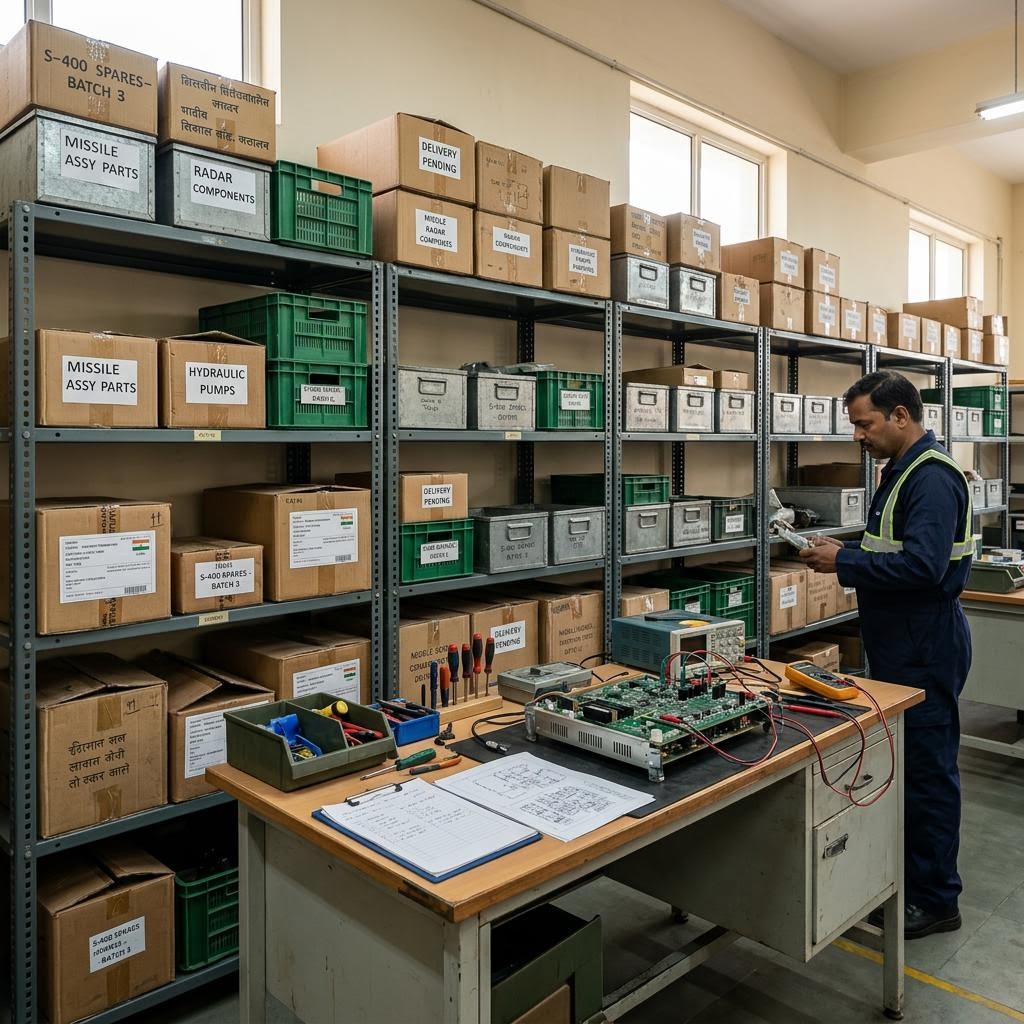
India’s S-400 order was incomplete in August 2023, but Moscow said it was still on schedule. That distinction matters because the original case was not a confirmed cancellation or a failed air-defence system. It was a delivery timetable under pressure from Russia’s war in Ukraine.
Reuters reported on 14 August 2023 that a senior Russian defence-export official, quoted by Interfax, said Russia would deliver India’s order within the agreed timeframe. The report used the official’s statement to address concerns that the war might delay planned exports. The short contemporaneous account did not say that India’s requirement had been cancelled or that the systems already delivered were unusable.
The same Reuters report said India had purchased five S-400 Triumf air-defence system units in 2018 for $5.4 billion. Three had been delivered and two remained awaited. Interfax said deliveries were scheduled to be completed by the end of 2024. Reuters also linked the order to the wider problem of Russian defence supplies, noting that the Indian Air Force had said in March that the war was holding up vital deliveries.
The result was an exposed schedule, not a public veto. India had signed for a large, defined capability, but it did not control the supplier’s factories, transport or export priorities. Russia’s official assurance was that the agreed schedule would be met. The number already delivered showed that the order was progressing, while the two outstanding units left the final result open.
The sources do not establish how the three delivered systems were deployed, whether the two outstanding units covered particular sites or whether India changed its air-defence plans. They do not quantify a gap in radar coverage, interceptor availability or readiness. A late or pending regiment is not evidence that India’s entire air-defence network failed.
The contract value is another reason to keep the case exact. $5.4 billion describes the 2018 purchase of five systems in the Reuters report. It does not describe the cost of a single regiment, the cost of delay or the value of any support package. No retrieved source establishes a penalty, renegotiation or compensation.
AI-generated representative image.