
Croatia ordered the American HIMARS. And, just to be sure, the Korean Chunmoo too.
Zagreb approved 18 South Korean K239 launchers on 4 September 2026, two years after approving eight US HIMARS. Delivery speed and industrial terms helped make the second choice.
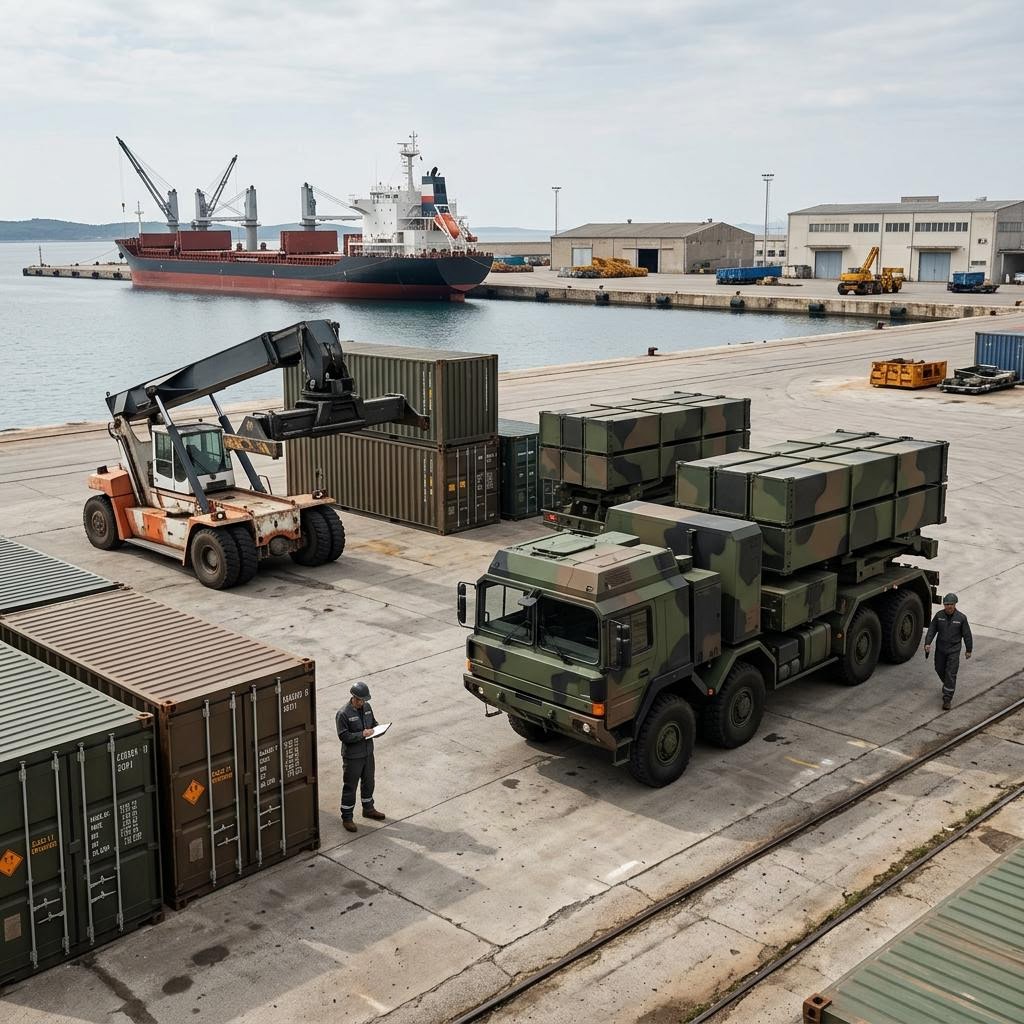
Croatia approved 18 South Korean K239 Chunmoo launchers after already ordering eight American HIMARS. This is not a rejection of Washington; it is a sensible diversification plan.
A better delivery time, munition availability, price and industrial cooperation helped the Korean system onto the shopping list.
Zagreb will now operate two long-range artillery routes, each with its own ammunition, integration demands and supplier calendar. A second supplier reduces dangerous dependency.
There is a large difference between buying a system and buying the reserved slot on the line that builds it. Contracts often celebrate the first and neglect to focus on the second.
Production slots, supplier backlogs, political greenlighting and release procedures are what actually decide when you, the customer, receive usable equipment, not what a salesman sold you.
And as any military planner will tell you, when the threat is immediate, a technically superior system delivered late is far less valuable than a good system that can arrive, be trained on and be deployed on schedule.
The delivery calendar is also vulnerable to events outside the transaction.
Another war can reorder national priorities. A factory can lose a specialist component. A third country supplying raw materials such as rare earths can throw a spanner in the works. A supplier's government can find reasons to slow delivery while leaving the contract formally alive.
These are not exotic force majeure scenarios. They are typical features of a market where a small number of producers serve many states and their own militaries at the same time.
If you are buying, your procurement officials should demand evidence to back up the salesman's promised date: demonstrated monthly output, long-lead inventory, allocated serial numbers, training slots and the readiness of receiving infrastructure.
They should also distinguish first delivery from full operational capability. An early ceremonial handover for the paparazzi may actually mean years of incomplete fleet strength.
Your delivery schedule must also cover munitions, spares and support, because an airframe or launcher without them is only a partial arrival.
Again, a diversified procurement approach and a realistic contract cannot remove the risk of delivery and deployment delays. But they can expose those delays early enough to manage.
Interim leases, phased training, additional suppliers and life extension for existing equipment may all buy time.
The main learning is to stop treating future planned deliveries as if they were current capability.
The announcement describes your ambition. The number actually ready for service on the required date describes your real security.
AI-generated representative image.