
Germany slowed arms exports to Israel. Berlin denied an embargo.
A Reuters analysis published on 19 September 2024 found that Germany had paused new approvals of weapons of war for Israel while legal challenges were being addressed. The evidence concerns new approvals, not a measured delivery cutoff.
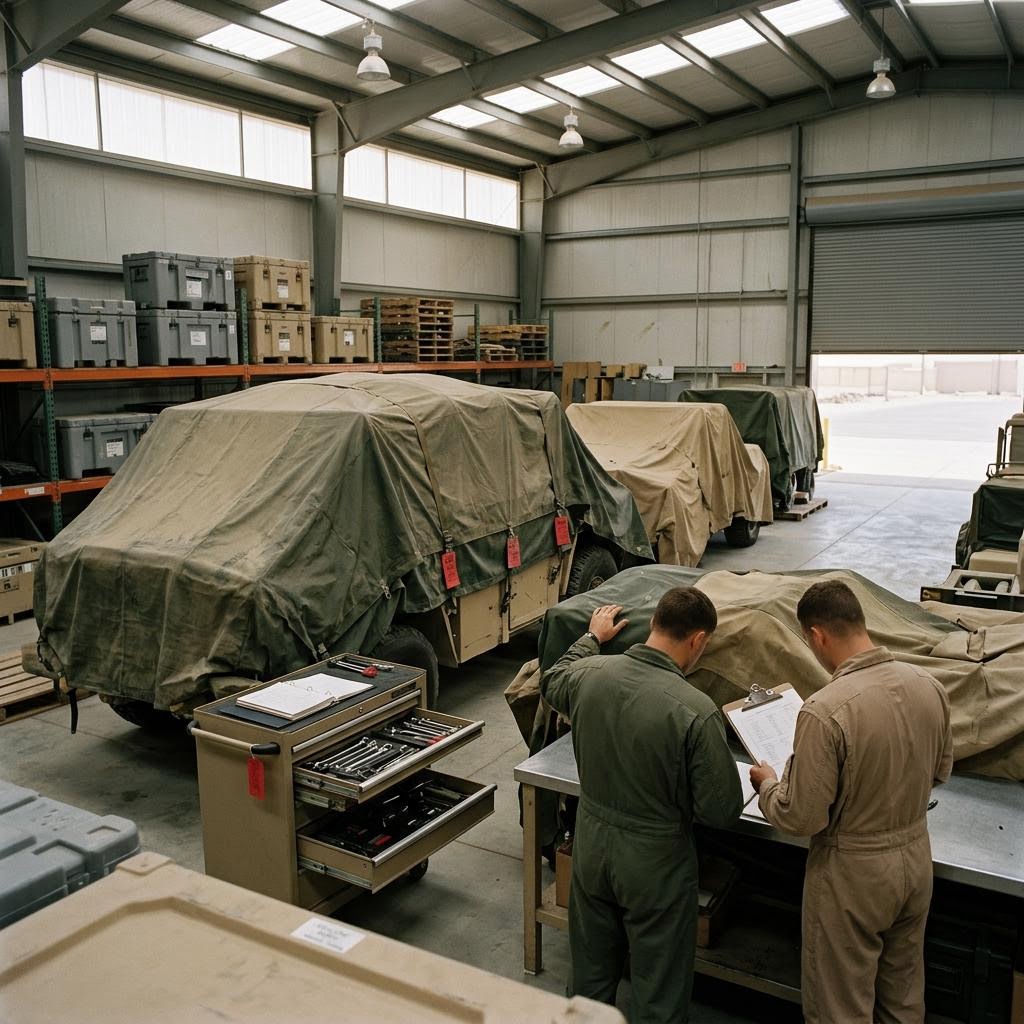
The weapon did not have to be seized at the border. An approval was enough to stop it.
By 18 September 2024, Germany had put a hold on new exports of weapons of war to Israel while legal challenges were dealt with, Reuters reported on 19 September. The report was based on an analysis of export data and a source close to the Economy Ministry. This was an approvals constraint. It was not evidence that Germany had revoked every existing licence or ended all defence trade with Israel.
That distinction matters because export control sits before production, shipment and delivery. A supplier can have a customer, a contract and an item ready for dispatch, yet still require government permission for the transaction to proceed. A hold on new approvals can therefore delay access without removing equipment already delivered or proving that an operational unit has gone without it.
The reported mechanism was legal and political review. Reuters did not identify every item affected, the number of applications held, the value of the licences or the length of the pause. It also did not establish whether a particular shipment had been delayed. Those missing facts prevent the hold from being translated into a quantified military consequence.
Nor should “weapons of war” be treated as a complete equipment list. The phrase identifies a category used in the reporting and German export-control debate. It does not tell the reader whether the applications involved ammunition, platforms, components or support equipment. Any more specific list would require the underlying German records.
Germany’s position was politically sensitive because of its relationship with Israel and its own export-licensing system. The case record describes new approvals being held while challenges were addressed. It does not establish that the German government had made a final decision that all future exports were unlawful, or that a court had ordered a permanent embargo.
The customer’s dependence on permission is visible precisely because the constraint was administrative. Israel did not need to lose ownership of a delivered system for access to be affected. If a new order, replenishment or replacement component required an approval that was not granted, the uncertainty would sit in the schedule rather than in a public warehouse seizure.
That uncertainty has practical limits. A hold may be harmless to near-term operations if the item is not urgent, stock is already available or another supplier can meet the requirement. It may be more serious if the item is a scarce component and the customer has no qualified alternative. The cited report does not establish which of those conditions applied.
The date also needs care. The Reuters article was dated 19 September, while the case record uses 18 September for the reported state of the approvals. Those are different dates. The first describes when the article was published; the second is the reported point by which the hold existed. The distinction avoids presenting an article date as the date of a formal decision.
The evidence does not show that existing German licences were cancelled. It does not show that Germany stopped all defence exports, that Israel’s aircraft were grounded or that a German-made system was unavailable in combat. It supports a narrower account: new weapons-of-war approvals had become a legal and political gate.
That gate could still change the supplier-customer relationship. Export authorisation is part of the product when delivery depends on it. The manufacturer may control production, Israel may control operation and Germany may control whether a new transaction can pass through the system. The customer owns the requirement, but not every permission needed to fulfil it.
The case therefore belongs in the category of conditional access, not total denial. Germany’s reported hold was a real constraint on new approvals. Its scope, duration and effect on delivered equipment remain unknown. The most responsible article stops at that boundary rather than manufacturing a weapons list or an operational result.
AI-generated representative image.