
Denmark offered 22 Piranhas to Ukraine. Switzerland said they could not go.
Denmark sought permission to send 22 Swiss-made Piranha III armoured personnel carriers to Ukraine in 2022. Switzerland rejected the request under its neutrality and war-material rules, but the sources do not establish a battlefield effect or the vehicles’ later disposition.
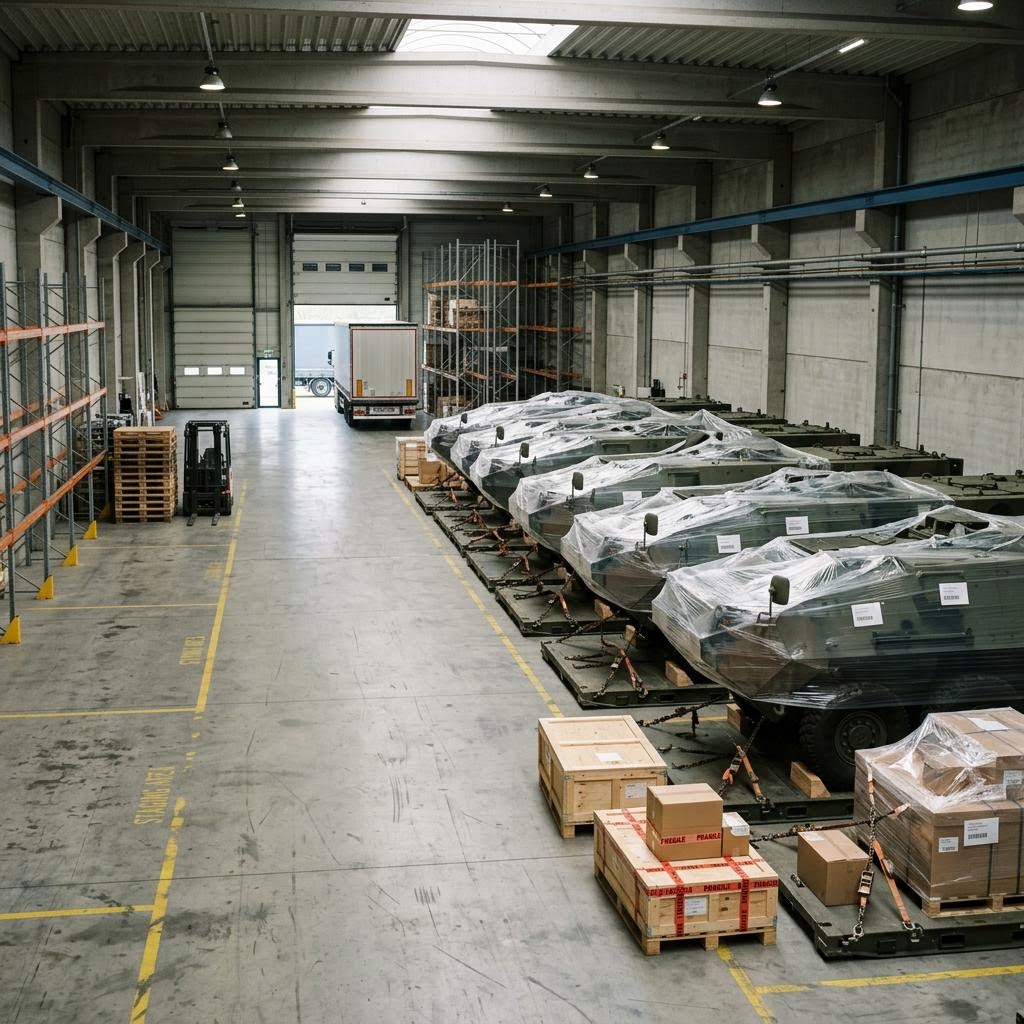
Denmark had 22 armoured vehicles it wanted to send to Ukraine. Switzerland refused permission.
On 1 June 2022, Reuters reported that the Swiss government had vetoed Denmark’s request to send Swiss-made armoured personnel carriers to Ukraine. Switzerland’s State Secretariat for Economic Affairs, SECO, rejected the request, and Reuters identified the vehicles as Piranha III infantry fighting vehicles. The decision was made in the context of Switzerland’s neutrality policy against supplying arms to countries involved in conflict.
The request was a re-export, not a new Swiss sale. Denmark had acquired the vehicles, but Swiss rules required countries that bought Swiss arms to seek permission before sending them to another country. That condition remained relevant after the vehicles had left Switzerland. Physical possession did not give Denmark unrestricted authority to transfer them.
The number matters, and so does its limit. Later Swiss reporting also described the request as involving 22 Swiss-made Piranha III vehicles. The figure does not establish their condition, location, equipment fit, intended Ukrainian unit or likely military role. It also does not represent Denmark’s full armoured inventory or the total number of vehicles Ukraine needed.
Switzerland’s decision followed other refusals connected with the war. Reuters noted that, in April, Switzerland had rejected Germany’s request to re-export Swiss-made ammunition used in Gepard anti-aircraft tanks sent to Ukraine. It had also rejected Poland’s request for arms to help neighbouring Ukraine. These comparisons show a policy pattern, but they do not turn the Danish request into a general ban on every form of support.
The stated political basis was neutrality. Switzerland had adopted European Union sanctions against Russia while maintaining that its neutrality did not permit providing arms for use in conflict zones. The policy was under domestic debate, especially as European governments faced pressure to support Ukraine. The source records that context; it does not require a broader legal conclusion about all Swiss exports.
The transfer condition created a decision point after manufacture and sale. Denmark could hold the Piranhas, but the earlier Swiss-origin transaction still required permission before the vehicles could be sent to a country at war. The clause became decisive when Copenhagen proposed the donation.
That does not prove that Ukraine was left without an equivalent capability. The sources do not state whether Denmark offered other vehicles, whether another donor replaced the proposed Piranhas or whether the Ukrainian requirement was urgent for a named operation. They do not report a failed mission, lost position or change in battlefield conditions.
Nor do they establish a final outcome for the 22 vehicles. The Reuters report records the refusal on 1 June 2022. It does not say whether Denmark retained them, sought a revised permission, found another recipient or changed its aid package. Later reporting that repeats the refusal does not supply that missing disposition.
AI-generated representative image.