
Spain could offer Venezuela aircraft. US components could still stop them.
A proposed Spanish sale of C-295 transport aircraft was reportedly blocked because the aircraft contained US-origin technology.
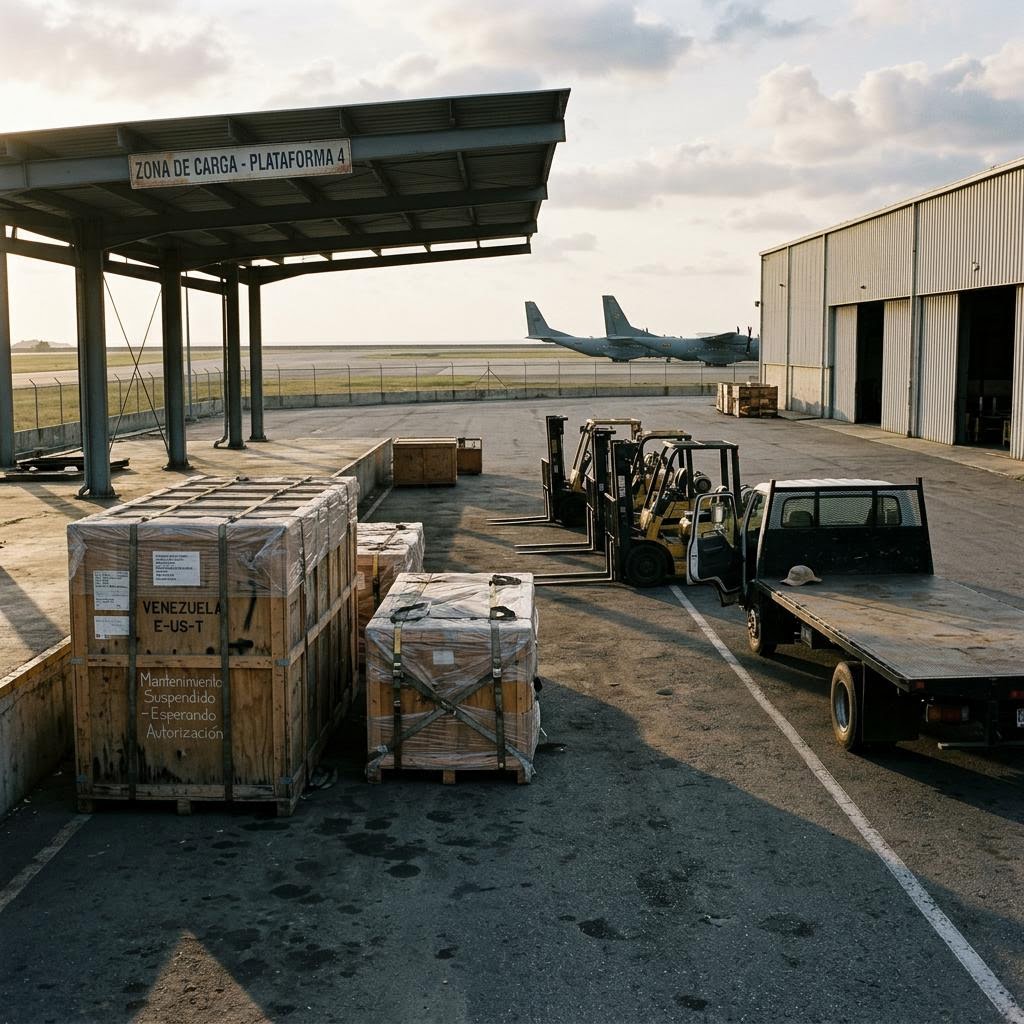
Spain had the contract. The United States had the parts.
On 13 January 2006, Al Jazeera reported that Washington had blocked a planned Spanish sale of military aircraft to Venezuela because the aircraft contained American components. The aircraft formed part of a $2 billion Spanish deal to supply Venezuela with ships and planes. A US embassy spokesman in Madrid said Ambassador Eduardo Aguirre had told Spanish officials of the decision the previous day.
The disputed transaction was not a simple US-Venezuela sale. Spain was the seller and the aircraft were part of a larger Spanish package. The US role came through technology inside the aircraft. Spanish state radio, citing Defence Ministry sources, said the sale would go ahead and that manufacturer EADS-CASA was in contact with French companies about substitute technology.
That response is important because it distinguishes a veto from a permanent disappearance. Washington could block the configuration containing American components. It did not necessarily prevent Spain from offering an altered configuration. Al Jazeera reported that substitution might make the aircraft more expensive. The article does not say whether the amended aircraft were delivered, whether Venezuela accepted the change or whether the wider $2 billion package closed.
Spanish media reported that the US components were mostly in the engines and electronic equipment. The report did not provide a full component list. It also did not state how many aircraft were covered by the planned sale, what the unit prices were or how much the substitute technology would cost. Those gaps prevent a claim about the financial size of the blocked portion.
A 24 January report by FlightGlobal identified the proposed aircraft as 10 C-295 tactical transports and two CN-235 maritime-patrol aircraft, with options for six more C-295s. It put the aircraft portion of the delayed deal at $590 million, separate from the larger package value reported by Al Jazeera. That account adds contract scope, but not final delivery. The evidence therefore supports a blocked configuration and a reported signed deal, not a proven fleet shortfall.
The political argument was explicit. The US said it believed the aircraft sale could complicate the situation in South America, though the embassy spokesman did not elaborate. State Department spokesman Sean McCormack said the proposed sale could contribute to destabilisation in Latin America and that Washington had made that view clear to the governments involved. Those were US positions, not an independently demonstrated result.
AI-generated representative image.