
Ethiopia and Eritrea went to war. The UN embargoed them both.
Resolution 1298 treated the two belligerents as recipients of the same arms, training and finance ban from May 2000 to May 2001.
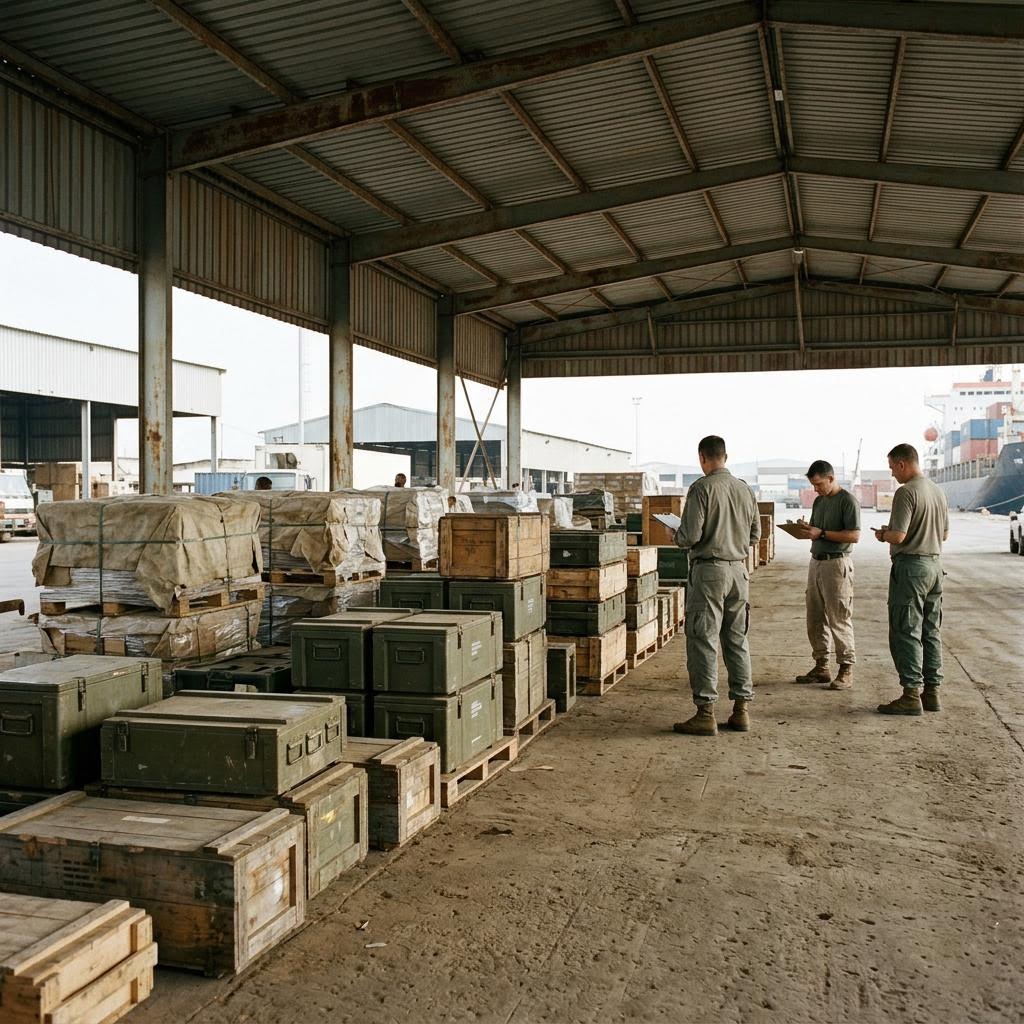
The United Nations embargo on Ethiopia arrived during an active war, not during a quiet procurement cycle. On 17 May 2000, the Security Council adopted Resolution 1298 in response to continued fighting between Ethiopia and Eritrea. It required all states to prevent the sale or supply of arms and related matériel to both governments.
The resolution was broad in legal description. It covered weapons and ammunition, military vehicles and equipment, paramilitary equipment and spare parts. It also restricted technical assistance and training connected with those items. The United Nations record describes the measure as lasting 12 months, with the possibility of extension if the parties did not comply with the conditions set out in the resolution. SIPRI records the Ethiopia entry as beginning on 17 May 2000 and ending on 15 May 2001.
The date matters because this was not simply a diplomatic warning made before a conflict. Ethiopia and Eritrea had been fighting intermittently since 1998, and the Arms Control Association reported that the Security Council acted after fighting resumed. Its account says the two governments agreed to a ceasefire on 18 June 2000 and later signed a peace agreement in Algiers on 12 December. Those later events belong to the war’s diplomatic chronology. They do not show what the embargo did to Ethiopia’s procurement.
Resolution 1298’s text is more useful than a headline about a “cutoff”. It concerned sales, supplies and associated assistance by states and their nationals. It included an exception for non-lethal military equipment intended solely for humanitarian use when approved in advance by the committee established by the resolution. It also provided a route for termination if the Secretary-General reported that a peaceful settlement had been reached. The measure therefore had a defined legal scope rather than an automatic claim that every military item became unavailable.
That distinction is essential for a country already at war. An embargo can prevent a new purchase while an army continues to use weapons delivered earlier. It can restrict spare parts or training without identifying which vehicle, aircraft or artillery piece is affected. The retrieved resolution, SIPRI record and contemporary summary do not identify a blocked Ethiopian shipment, a cancelled contract, a supplier that refused a named system or a readiness series.
Nor do they establish that Ethiopia had no other source of equipment. The rule applied to states covered by the resolution, but It would be equally wrong to infer that the embargo had no effect merely because The legal opportunity to buy new foreign arms was narrowed at a moment when replenishment could have mattered.
From 17 May 2000, Ethiopia faced a mandatory UN restriction on new foreign arms supply while it was fighting Eritrea.
AI-generated representative image.