
Ukraine advanced. Starlink's coverage did not.
Reuters reported that Elon Musk ordered Starlink coverage cut in areas including Kherson during Ukraine’s September 2022 counteroffensive. At least 100 terminals went dark, and Ukrainian sources said an attempted encirclement near Beryslav failed after the resulting communications loss.
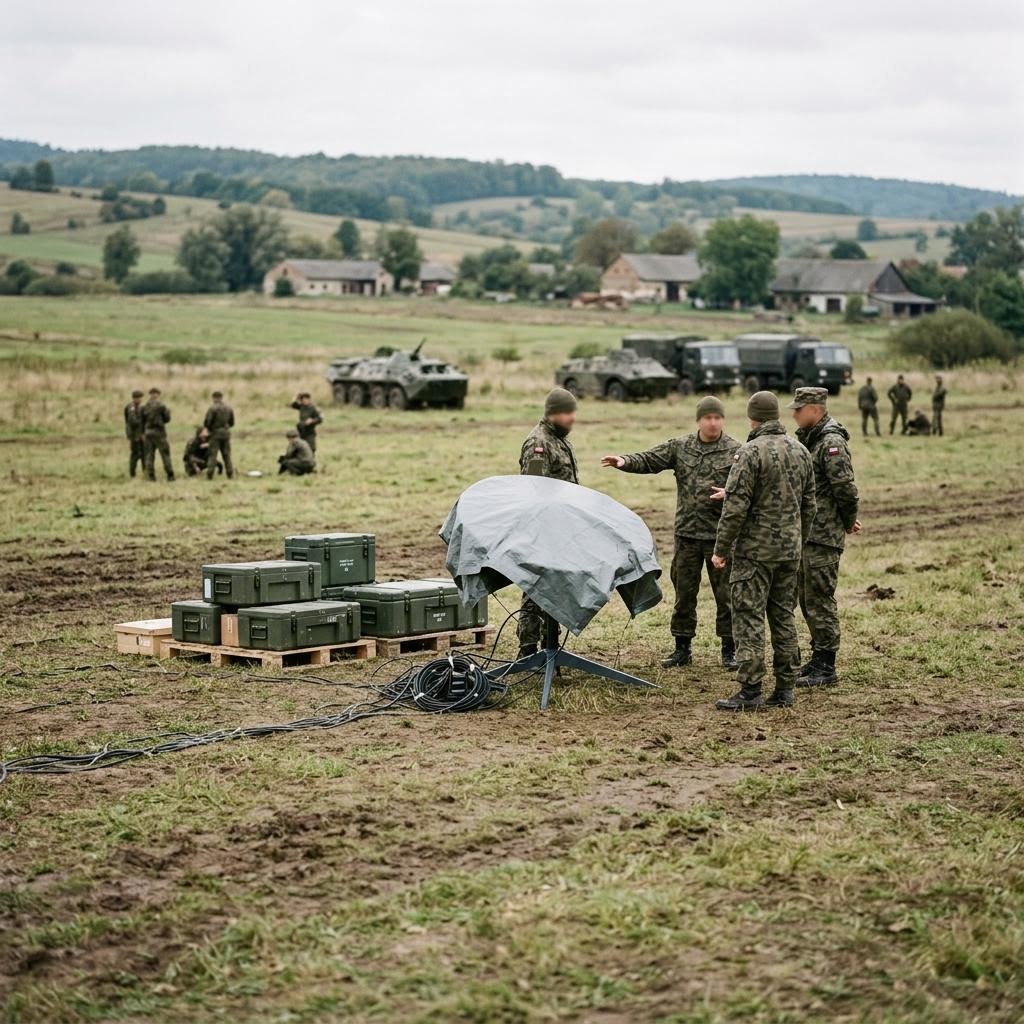
Reuters reported that Starlink coverage narrowed during Ukraine’s Kherson counteroffensive, disrupting drone and artillery targeting. Ukrainian sources linked the interruption to a failed encirclement attempt; SpaceX disputed the investigation. The contested operational claim should remain contested.
The architecture is not: when battlefield communications depend on a commercial network, its coverage policy can become a tactical boundary. Territory may change hands faster than a provider changes permissions.
For Ukraine, the hardware may be local. The off switch may not be.
The platform gets the ceremony. Remote access, coverage maps, accounts, subscriptions, cloud infrastructure, data feeds and private policy decisions get the final say. That matters because a commercial service or connected system is treated like equipment that remains available once purchased. That is the control point hiding behind the headline fact: Ukraine advanced.
Nobody has to cancel the deal. A licence can wait, a delivery can move, a bank can decline or a technical approval can remain under review. Any of those can change the service boundary instantly and at scale without seizing any hardware. The polite language does not make the operational gap polite. For Ukraine, the warning is captured by what followed: Starlink's coverage did not.
Before selection, put the uncomfortable questions into the procurement file. Is there a binding wartime service obligation? How quickly can an alternative service be activated and integrated? Who can suspend the account or change the coverage map?
Commercial providers can deliver capability faster than governments. That speed is valuable. It does not remove the need for contractual continuity, national fallbacks and an honest shutdown plan. That distinction matters here: Starlink's coverage did not.
The procurement team should model an interruption lasting six months, not six days. Assume that the mechanism above is unavailable and that friendly phone calls change nothing. Which missions stop first? Which units receive priority? What can be repaired, substituted or borrowed? The exercise will expose dependencies that a normal tender score hides. The exercise has a concrete starting point in this case: Ukraine advanced.
The next three questions belong in the operational plan, not an annex. Where are the servers, data and control staff located? Can the service operate through a national gateway? What functions survive if the provider disconnects you? If nobody owns the answer, nobody owns the risk.
The finance ministry should see this risk too. Resilience can look expensive because its cost appears in the tender. Dependence often looks free because its cost appears later, in emergency purchases, redesign work, lost readiness and political concessions. That accounting difference does not make dependence cheaper. It merely hides the invoice. The headline fact, 'Ukraine advanced', should carry that exposure in its score.
The buyer still has options: secure contractual continuity for the missions that matter, build a national or allied fallback before conflict begins and retain local copies of essential data wherever lawful and practical. These measures are rarely as exciting as the platform. They are often what make the platform usable.
The final test for Ukraine is simple: what operational function survives if the provider changes the account, coverage map or terms of service overnight? If the honest answer begins with 'provided that somebody else agrees', that condition belongs on the first page of the procurement decision, not in an annex nobody reads. That exposure sits behind the claim that 'Ukraine advanced'.
A private decision taken thousands of kilometres away can alter the battlefield faster than a government procurement process can respond. The hardware may be local. The off switch may not be.
AI-generated representative image.