
Yemen’s UN arms embargo did not target Yemen. It named people.
Resolution 2216 barred direct and indirect transfers to named and committee-designated individuals and entities from April 2015.
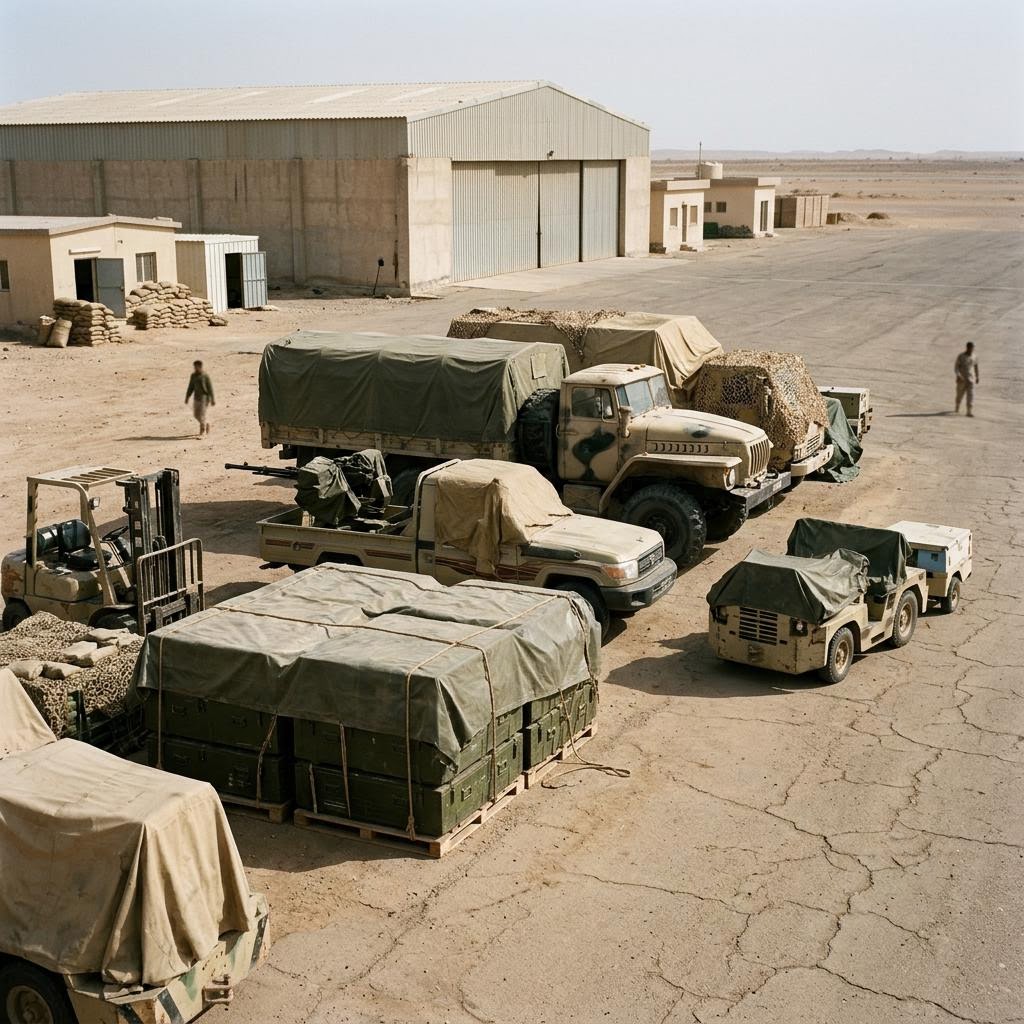
The UN did not treat Yemen as one undifferentiated buyer. It attached the arms barrier to people and entities designated under the sanctions regime.
The Security Council adopted Resolution 2216 on 14 April 2015 as Yemen’s conflict was escalating. The Council’s summary says the resolution imposed a targeted arms embargo against individuals or entities designated by the Committee. It also designated two additional individuals for targeted measures and added violations of the targeted embargo to the sanctions criteria.
The resolution followed the Houthi advance and the collapse of the political transition. UN reporting at the time said the Council was alarmed by the military escalation and the rapidly deteriorating humanitarian situation. The measure was therefore a decision made during an active conflict, not a later finding about a settled battlefield.
The named recipients matter. UN News reported that the resolution added Abdulmalik Al-Houthi and Ahmed Ali Abdullah Saleh to the list of individuals subject to sanctions imposed under Resolution 2140. The resolution also imposed an arms embargo to prevent direct or indirect supply, sale or transfer to Ali Abdullah Saleh, Abdullah Yahya Al-Hakim, Abd Al-Khaliq Al-Huthi and individuals and entities designated by the Committee established under Resolution 2140.
That is a targeted legal restriction. It is not the same as saying that every Yemeni armed group, government body or civilian actor was under one identical embargo. A country can be named in a sanctions regime while the operative prohibition attaches to designated persons and entities. The wording must survive because it determines who faced the formal barrier.
The mechanism was upstream. Member states were required to prevent direct or indirect supply, sale or transfer of arms and related materiel to the named or designated recipients. A supplier therefore had to account for the recipient’s status before treating a transaction as ordinary commerce. The resolution did not need to identify a cancelled purchase to create that permission barrier.
It does not state how many weapons the named individuals or entities held, whether any supplier attempted a licence, or whether the embargo changed battlefield inventories. Nor does it establish how well the restriction was enforced during the war.
AI-generated representative image.