
Nigeria wanted Super Tucanos for Boko Haram. Washington made them wait.
A rights-based US hold delayed the A-29 sale. A new administration cleared the 12-aircraft package in 2017.
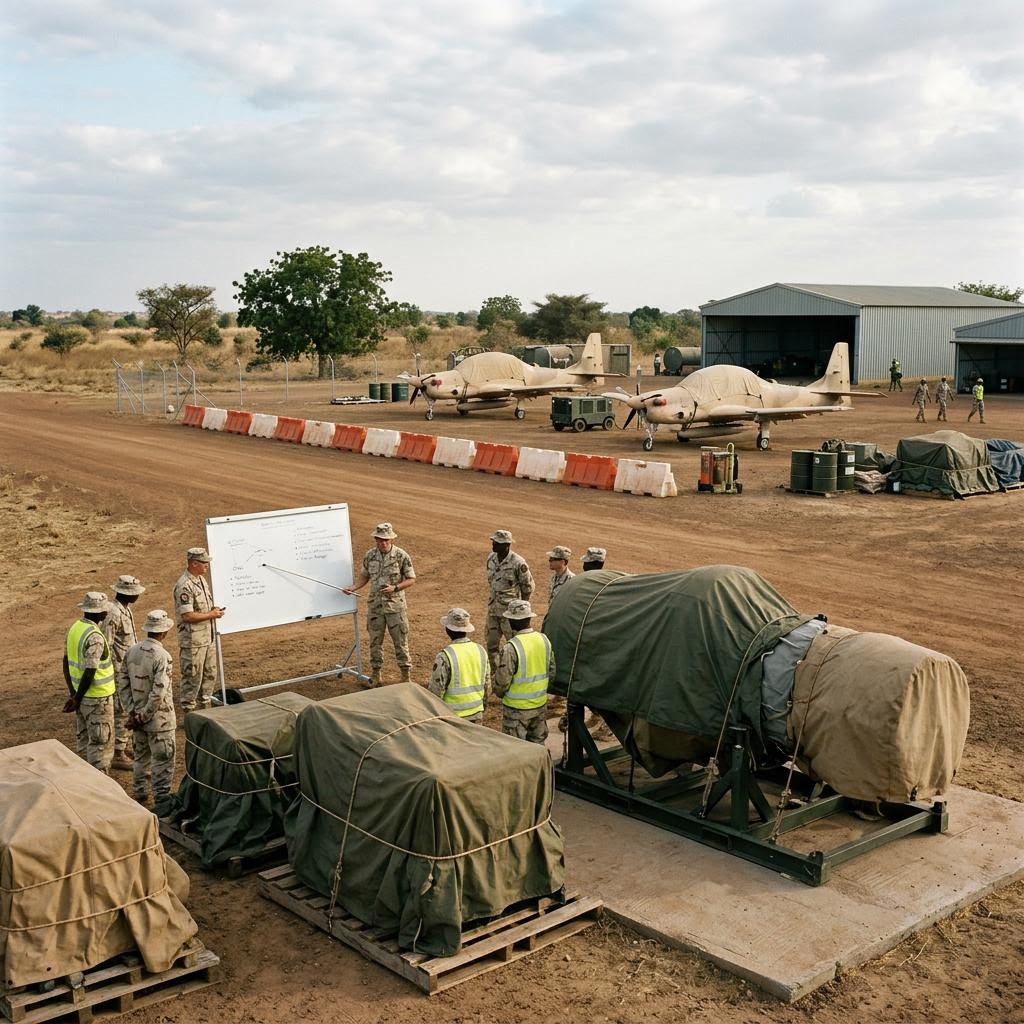
Nigeria wanted aircraft for an insurgency. The proposed sale first had to pass a human-rights test in Washington.
The A-29 Super Tucano sale was not a simple commercial transaction. Nigeria sought the light attack aircraft for its campaign against Boko Haram, but the United States suspended the deal after concerns about the Nigerian military’s human-rights record. The Obama administration’s hold made the aircraft politically unavailable even though the platform was technically suited to the mission Nigeria described.
The sequence is recorded by the Council on Foreign Relations. Its account says the sale initially received approval, was then suspended under the Obama administration, and was authorised to proceed by the Trump administration in 2017. Defence News reported in August 2017 that the State Department had approved a possible $593 million Foreign Military Sale including 12 A-29 aircraft. The figure was an estimated package value, not a claim that Nigeria paid that amount for aircraft alone.
The aircraft were intended for a specific fight. CFR describes the Super Tucano as a light turboprop aircraft and says Nigeria sought it among a wider menu of US military equipment. The sale was presented by supporters as a way to improve Nigeria’s capacity against jihadi groups. Human-rights organisations and some members of Congress opposed it, arguing that deeper US support for the Nigerian military carried risks.
That disagreement created the veto. Nigeria could identify a military need and a suitable aircraft. The US government could still withhold access because it judged the end user and the proposed relationship politically unacceptable at that point. The problem was not a defect in the A-29 or a failure by Nigeria to select a platform. It was an export decision tied to the conduct of the receiving force.
The concerns were not abstract in the record. CFR describes the Nigerian military as having a reputation for human-rights abuses and says the suspension contributed to a deterioration in the bilateral relationship. It also records that a Nigerian ambassador accused the United States of unintended complicity in Boko Haram’s violence because Washington had refused equipment Nigeria wanted. That is an attributed political complaint, not proof that the refusal caused Boko Haram’s operations.
The opposing case was also specific. Supporters argued that strengthening a partner could help destroy jihadi groups and that better targeting might reduce civilian casualties and alienation. Those arguments did not erase the concern that aircraft supplied to a force accused of abuses could be used against civilians or against targets outside the stated counterinsurgency mission.
AI-generated representative image.