
The EU renewed Myanmar’s arms embargo until April 2027
The Council extended its Myanmar measures on 27 April 2026. The decision kept an arms embargo, a military-training ban and controls on equipment that could be used for internal repression.
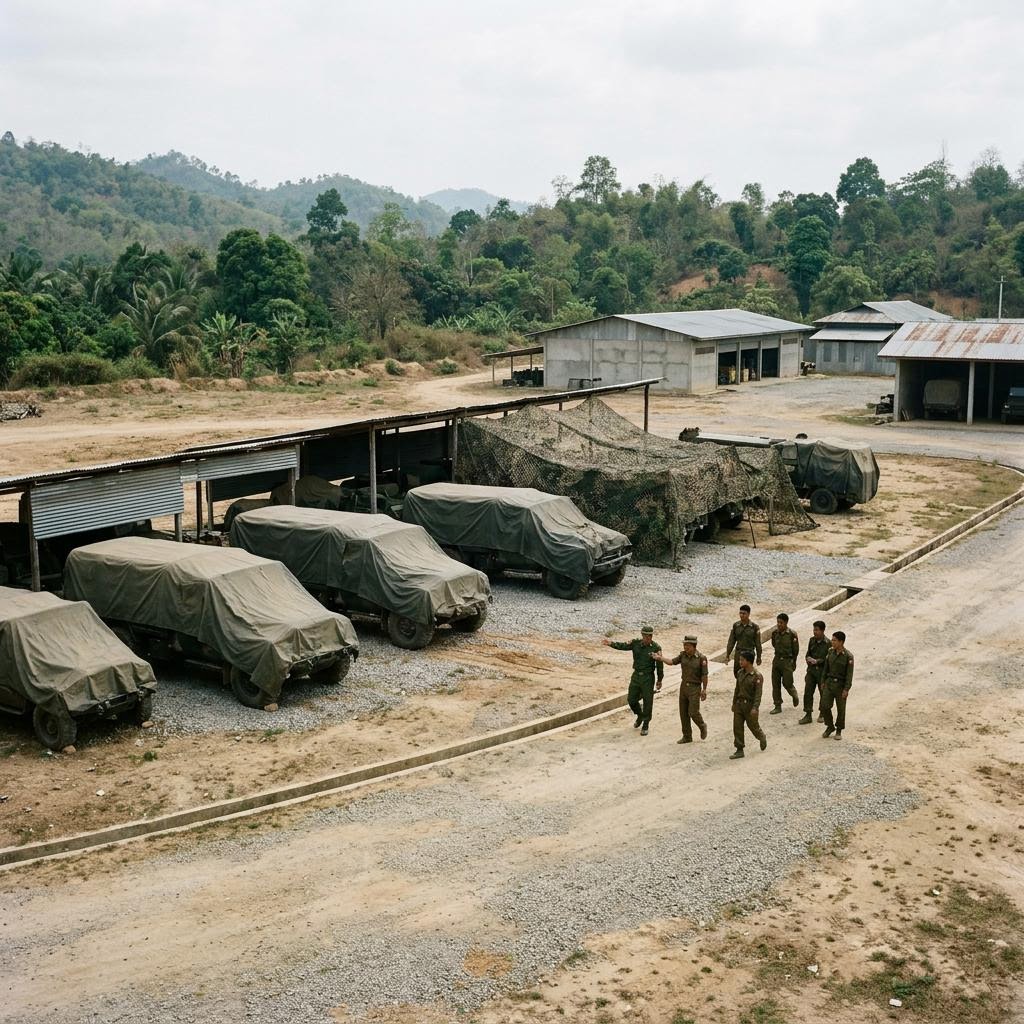
The European Union renewed the legal barrier rather than announcing a new weapon programme. On 27 April 2026, the Council extended restrictive measures on Myanmar until 30 April 2027. The decision preserved the EU arms embargo.
The Council said the measures also ban military training and exports of equipment that could be used for internal repression. Those clauses matter because an embargo reaches more than finished weapons. Training, technology and certain equipment can be part of a force’s ability to use what it has.
The action came more than five years after the February 2021 military coup. The Council framed the measures against continuing violence and the deterioration of the country’s political and humanitarian situation. The cited decision is an EU measure; it does not describe the total international supply available to Myanmar’s military.
Its force is nonetheless specific. Until the April 2027 expiry date, an EU-based supplier cannot treat Myanmar as an ordinary defence customer. The unresolved issue is enforcement beyond the Union’s jurisdiction, where the embargo itself supplies no answer.
The Council renewed the measures on 27 April 2026, extending them until 30 April 2027. Its notice says the regime includes an arms embargo, a ban on military training and a prohibition on exporting equipment that could be used for internal repression. These are actual legal restrictions, not a warning that restrictions might someday be imposed.
The decision followed the military coup of February 2021 and the violence that followed. It does not claim that the EU controls Myanmar’s entire supply chain or its armed forces. It fixes a narrower boundary: firms and governments inside the Union are barred from supplying military goods, training and certain equipment for another year.
AI-generated representative image.