
Ukraine needed Patriots. Another war got into the queue.
Reuters reported on 4 March 2026 that the Iran conflict could divert US weapons intended for Ukraine, including Patriot PAC-3 interceptors. Demand elsewhere can change a promised delivery before it ships.
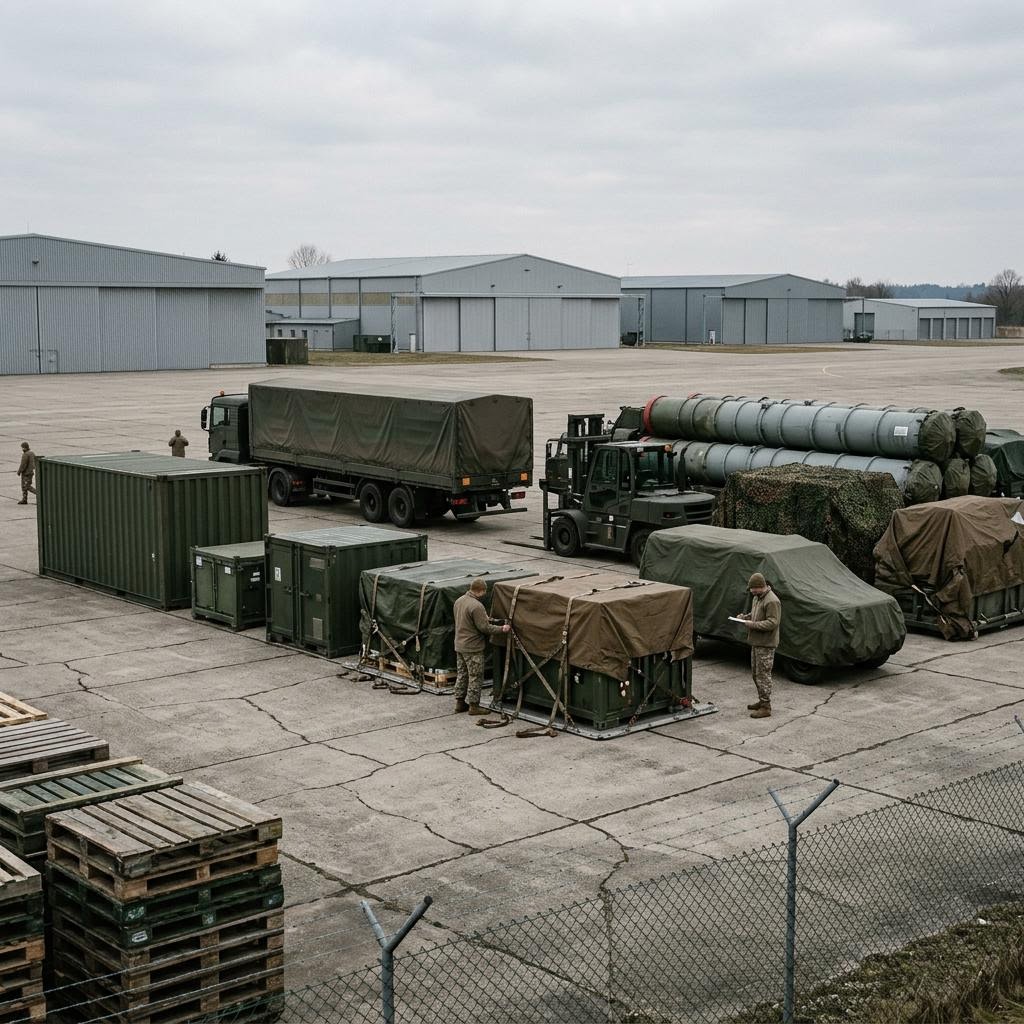
The Iran conflict could divert US weapons intended for Ukraine, including PAC-3 interceptors, Reuters reported. No final diversion or quantity was documented. Yet the vulnerability is concrete: Kyiv’s need did not change, but the supplier acquired another urgent customer, its own military.
A promised interceptor can therefore move backwards in the queue without Ukraine altering a contract or battlefield plan. Dependence is not only the risk that a supplier refuses. It is the risk that the supplier suddenly needs the weapon more.
For Ukraine, the enemy will not wait for your revised delivery milestone.
The platform gets the ceremony. Production priority, delivery sequencing and the supplier government's right to redirect scarce output get the final say. That matters because the announcement makes a future capability sound as if it already exists. That is the control point hiding behind the headline fact: Ukraine needed Patriots.
Control is usually exercised through procedure, not a cinematic red switch. The party holding the leverage can move the customer backwards in the queue without formally cancelling anything. By the time the buyer is certain that the delay is political, the readiness loss has already begun. For Ukraine, the warning is captured by what followed: Another war got into the queue.
Your technical team will test performance. Your commercial team should test dependence just as aggressively. Which components have the longest lead times, and who makes them? Are serial numbers or production slots actually reserved for you? Can the supplier's government requisition or redirect your order?
This does not mean every delayed order reflects bad faith. Factories break, components run short and wars change priorities. The point is that your operational plan must survive those perfectly ordinary failures. That distinction matters here: Another war got into the queue.
The procurement team should model an interruption lasting six months, not six days. Assume that the mechanism above is unavailable and that friendly phone calls change nothing. Which missions stop first? Which units receive priority? What can be repaired, substituted or borrowed? The exercise will expose dependencies that a normal tender score hides. The exercise has a concrete starting point in this case: Ukraine needed Patriots.
Finally, ask what happens under pressure. When do crews, ammunition, test equipment and infrastructure arrive? Does the quoted date mean first delivery or a genuinely operational unit? What has the production line delivered in each of the last twelve months? A contingency that has never been funded, integrated or exercised is only optimism with a heading.
Price that exposure honestly. A cheaper bid with one unmanageable control point may be more expensive than a higher bid that preserves options. Acquisition teams are good at comparing purchase prices. They are less consistent at pricing the cost of a grounded fleet, an empty magazine or a capability that arrives after the political need has passed. The headline fact, 'Ukraine needed Patriots', should carry that exposure in its score.
This is where the procurement team earns its keep. It can stock the munitions and spares that determine readiness, fund training and infrastructure before the hardware arrives and keep an interim capability alive until the replacement is operational. A penalty clause may recover money later. These measures protect capability now.
The final test for Ukraine is simple: can the promised unit deploy on the required date, with trained crews, working infrastructure and enough ammunition to fight? If the honest answer begins with 'provided that somebody else agrees', that condition belongs on the first page of the procurement decision, not in an annex nobody reads.
A late system does not merely inconvenience the procurement office. It leaves a real mission uncovered while the threat keeps moving. Future quantity is not present strength, however impressive the announcement looks. The first half of this headline, 'Ukraine needed Patriots', is where that test begins.
AI-generated representative image.