China couldn't punish Taiwan. So it punished 10 suppliers to Taiwan.
On 22 June 2026, China listed ten US entities under export controls, Reuters and Xinhua reported. The move made access to Chinese dual-use goods a state decision for named companies.
China added ten US entities to its export-control list, turning purchases of covered Chinese goods, technology or services into licensing questions. The designation does not prove that a factory stopped or that every transaction failed.
It does something more precise: it places named foreign firms behind a legal gate controlled in Beijing. The next strategic question is whether those firms secured alternate suppliers before a commercial sourcing decision became a geopolitical one.
The obvious asset is what the buyer can photograph. The decisive dependency is often selective approvals, delayed paperwork, mission limits, temporary pauses and decisions applied to one product but not another. That is how policy is reduced to the simple labels of sale, embargo or cancellation. That is the control point hiding behind the headline fact: China couldn't punish Taiwan.
For America, a government does not need to say no when 'not yet' works just as well.
Control is usually exercised through procedure, not a cinematic red switch. The party holding the leverage can create the operational effect of a refusal while avoiding the political cost of saying no outright. By the time the buyer is certain that the delay is political, the readiness loss has already begun. For America, the warning is captured by what followed: So it punished 10 suppliers to Taiwan.
The procurement team should model an interruption lasting six months, not six days. Assume that the mechanism above is unavailable and that friendly phone calls change nothing. Which missions stop first? Which units receive priority? What can be repaired, substituted or borrowed? The exercise will expose dependencies that a normal tender score hides. The exercise has a concrete starting point in this case: China couldn't punish Taiwan.
A serious review begins where the demonstration ends. Are spares and munitions treated differently from complete systems? What remains permitted that could provide a practical workaround? How long can the force operate while the policy remains deliberately ambiguous? That is what 'China couldn't punish Taiwan' should force a buyer to test.
The next three questions belong in the operational plan, not an annex. Exactly which licences, products and missions are affected? Is the restriction written, temporary or merely administrative? Who has authority to lift it, and on what evidence? If nobody owns the answer, nobody owns the risk. That is the practical question behind 'China couldn't punish Taiwan'.
This is where the procurement team earns its keep. It can prepare alternatives for an indefinite pause, not only a formal embargo, record who can approve exceptions and how long that process takes and avoid building plans around verbal reassurance. A penalty clause may recover money later. These measures protect capability now. That is what 'China couldn't punish Taiwan' should force a buyer to test.
Price that exposure honestly. A cheaper bid with one unmanageable control point may be more expensive than a higher bid that preserves options. Acquisition teams are good at comparing purchase prices. They are less consistent at pricing the cost of a grounded fleet, an empty magazine or a capability that arrives after the political need has passed. The headline fact, 'China couldn't punish Taiwan', should carry that exposure in its score.
Not every pause is an embargo and not every delay is political. But the force still has to operate while lawyers and diplomats decide what the pause should be called. That distinction matters here: So it punished 10 suppliers to Taiwan.
The final test for America is simple: what military task becomes impossible if an administrative pause lasts six months rather than six days? If the honest answer begins with 'provided that somebody else agrees', that condition belongs on the first page of the procurement decision, not in an annex nobody reads.
Ambiguity benefits the state applying the pressure. The buyer carries the uncertainty, the readiness loss and the cost of waiting. A government does not need to say no when it can keep saying not yet. That is what 'China couldn't punish Taiwan' should force a buyer to test.
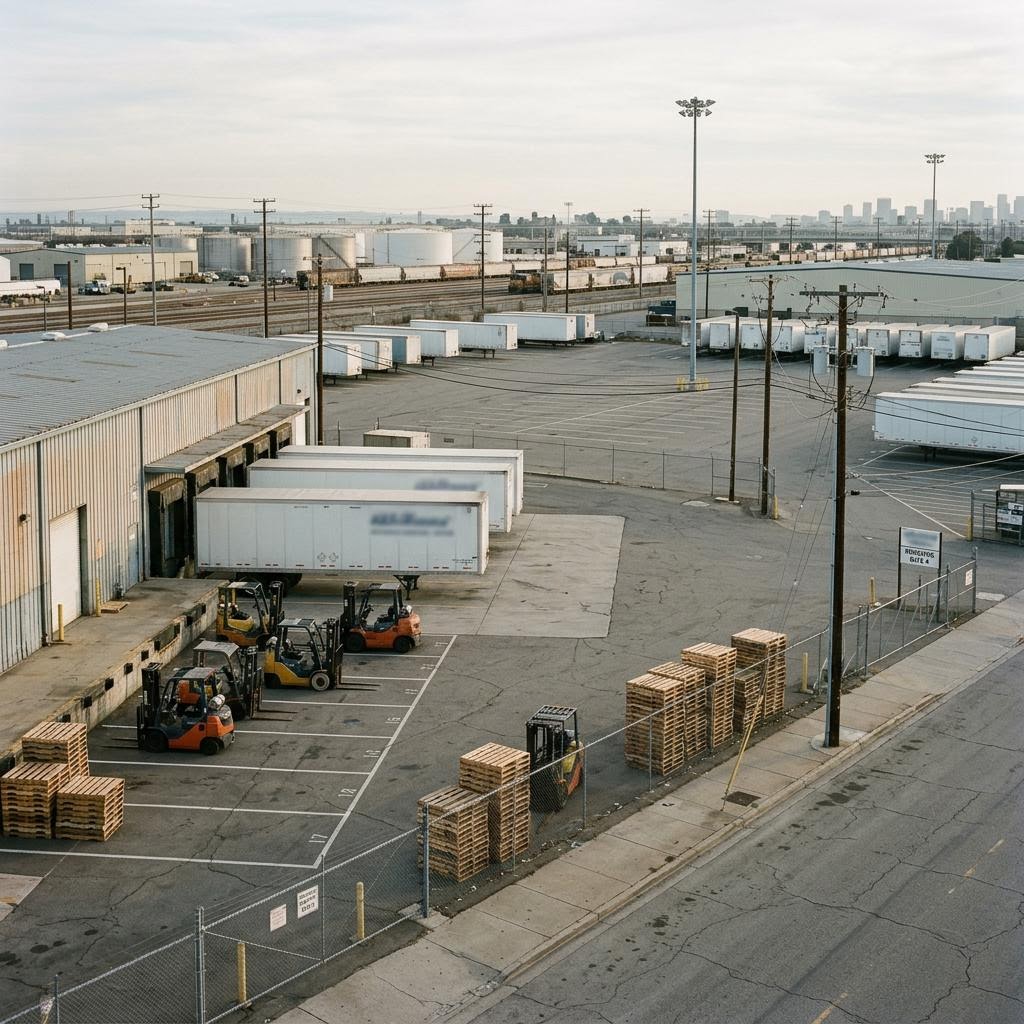
AI-generated representative image.