
About 26,000 US rifles met one senator’s objection
The State Department halted the proposed Philippine police sale in 2016 after Senator Ben Cardin said he would oppose it.
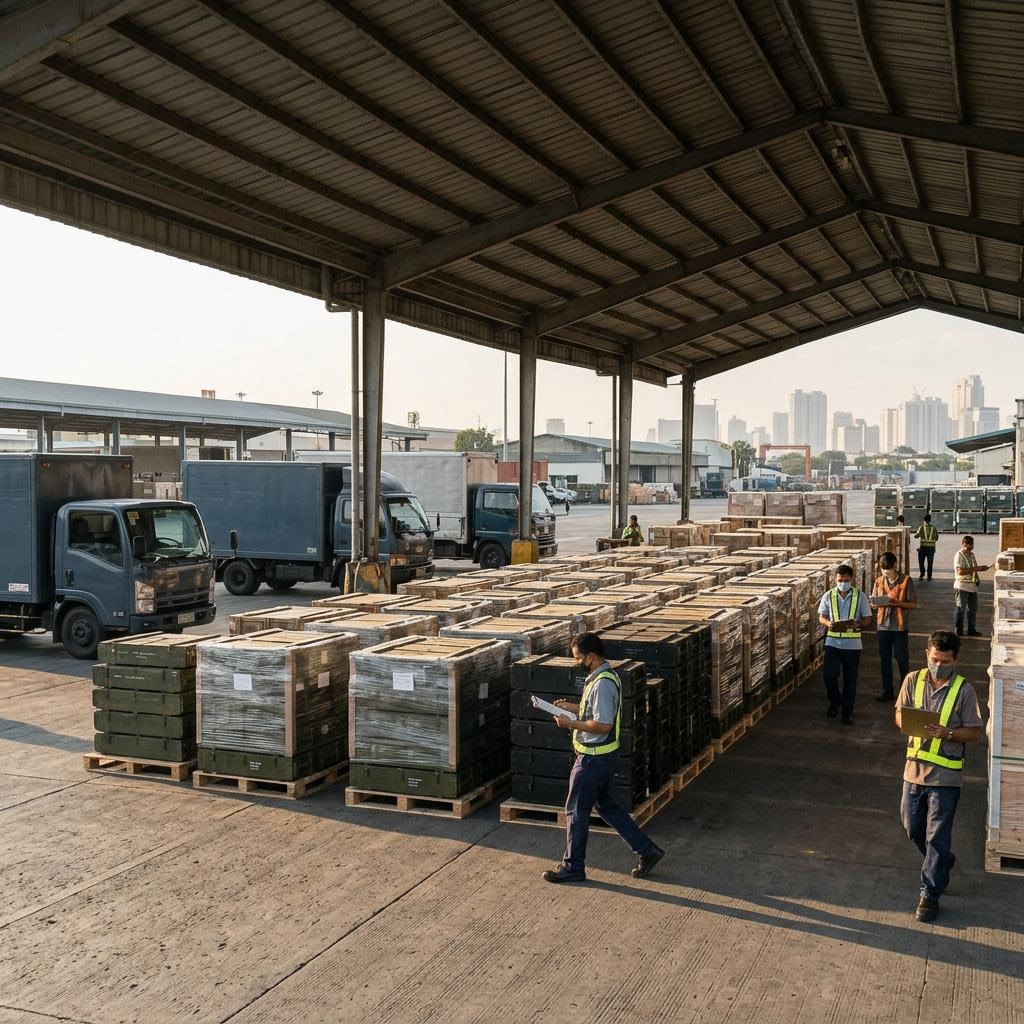
The rifles did not need to reach the Senate floor to become politically unavailable. A senator’s threatened objection stopped a US sale to the Philippine National Police.
On 1 November 2016, the Guardian reported that the US State Department had halted a planned sale of 26,000 assault rifles to the Philippines amid human-rights concerns. The report, based on Reuters and Senate aides, identified Ben Cardin, then the senior Democrat on the Senate Foreign Relations Committee, as the senator who said he would oppose the transaction. The rifles were M4s, according to contemporaneous Philippine and Australian reporting.
The number was reported slightly differently in the US process. The Guardian described 26,000 rifles in its headline and account, then said the pre-notification process concerned 26,000 to 27,000. The range is not a contradiction that should be polished away. The safe description is a planned sale of about 26,000 rifles, with the pre-notification figure reported as up to 27,000.
The mechanism was not a public law cancelling every US security transfer to the Philippines. The State Department normally notifies Congress while an international arms sale is in progress. Senate aides told Reuters that Foreign Relations Committee staff informed the department Cardin would oppose the transaction during that pre-notification stage. The report said this stopped the deal. State Department officials did not comment in the retrieved Guardian account.
That sequence is important. The available reporting does not say that the full Senate voted, passed a resolution or formally prohibited the rifles. It describes a threatened committee-level objection that made the administration halt the sale before the process reached that point. Calling it a Senate veto would overstate the legal form. Calling it a procurement constraint understates neither the result nor the route by which it was imposed.
The political context was President Rodrigo Duterte’s campaign against illegal drugs, which had begun after he took office on 30 June 2016. The Guardian reported that more than 2,300 people had been killed in police operations or by suspected vigilantes by the time of publication. Human-rights groups and foreign officials criticised the campaign. Those figures belong to the reporting date and should not be presented as a final death toll for the entire campaign.
The concern was not abstract. The proposed end user was the national police, an organisation involved in domestic law enforcement while allegations of unlawful killings were being made. The US senator’s objection linked a weapons transfer to the conduct of that end user. The sources support that political connection. They do not establish that the M4s would have been used in a particular operation, or that every proposed recipient was implicated in abuse.
AI-generated representative image.