
7 May 2026
When in-house makes sense
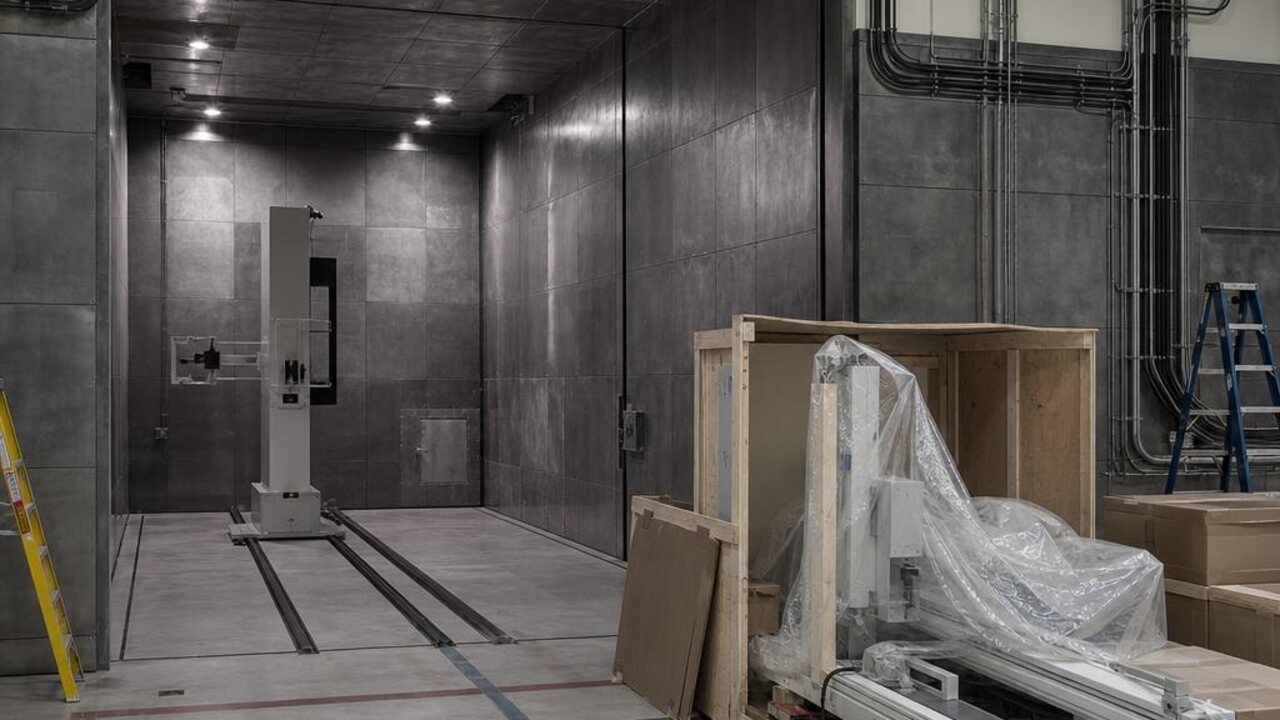
Organisations bring NDT in-house when inspection volume is steady, turnaround matters, or the work is too sensitive to send out, all three of which apply to most defence maintenance and production settings. The decision buys control and responsiveness; it also buys the obligation to build a certified, auditable capability rather than a room with instruments in it.
The sequence that works
Successful programmes follow a consistent order: define the inspection scope (parts, materials, defect classes, standards); select methods and equipment against that scope; prepare the facility, including radiation safety where radiography is involved; write and qualify procedures; train and certify operators; then qualify the whole capability on representative work before it carries acceptance responsibility.
People and paper carry the capability
The durable elements are personnel certification and documentation. Inspectors must be trained and certified by method and level under a recognised scheme, with recertification tracked. Procedures, calibration records and inspection reports must survive audit years later. Equipment ages and is replaced; the certified people and the quality system are the capability.
Choosing a partner for the build
The equipment supplier's role in a capability build is larger than delivery: method selection support, facility guidance, procedure templates, certified training and long-term calibration and service. Prefer a partner willing to commit to the whole build in-region. The organisations that struggle are almost always those that bought instruments and improvised the rest.
The bottom line for the build decision
Bringing NDT in-house buys control and responsiveness, but it also creates an obligation to build a certified, auditable capability rather than a room full of instruments. The organisations that gain a lasting advantage follow the sequence (scope, methods, facility, procedures, certified people, then whole-capability qualification on representative work) and recognise that people and documentation, not hardware, are what protect the mission over time. Equipment ages and is replaced; the certified operators and the quality system are the capability. Choose a single accountable channel to support method selection, facility guidance, procedure templates, training and sustained calibration and service, so nothing critical is improvised. Where the build is delivered in-region, localisation arrangements are scoped per programme, subject to export controls and end-use approvals.
