
30 June 2026
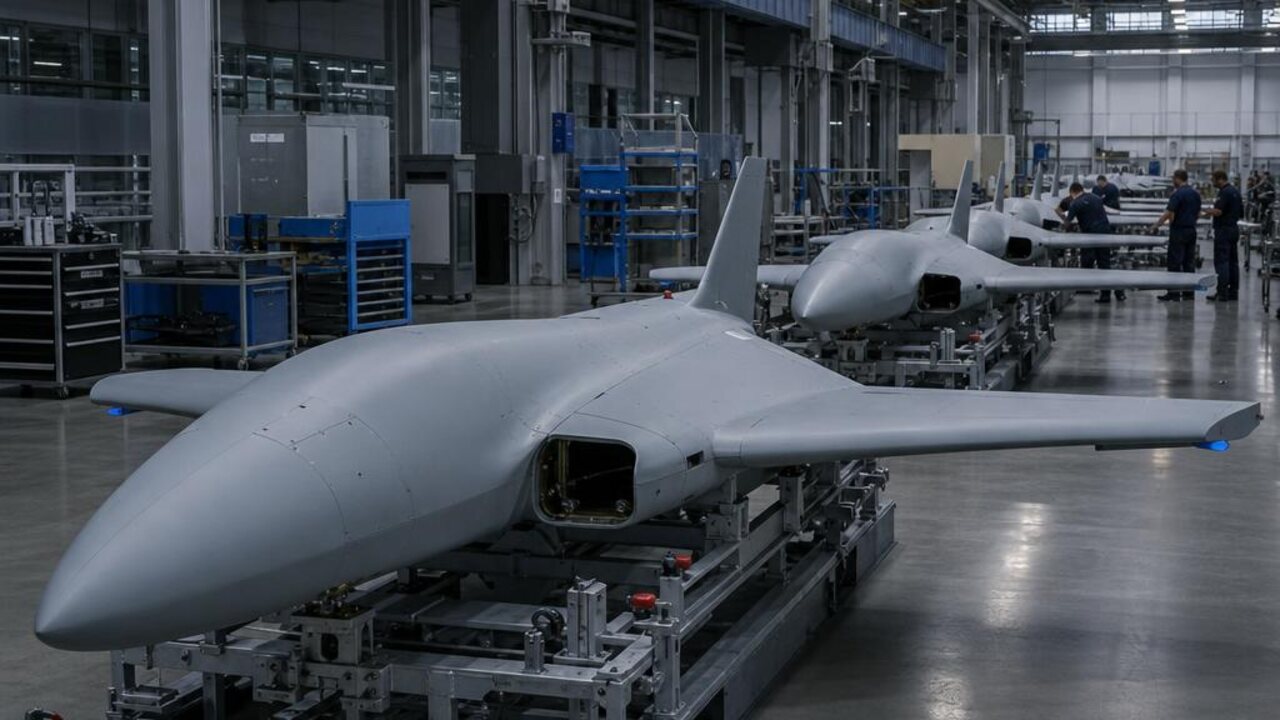
Why states want the factory, not just the fleet
Importing finished drones leaves a state dependent on a foreign supply chain for every airframe, spare and upgrade, and, in a shooting war, at the mercy of whether that supply chain keeps flowing. Sovereign drone manufacturing answers a different requirement: production capacity a nation controls, that keeps replacing losses when imports would be cut off, and that keeps money, skills and industrial capability inside the country. Recent conflicts made the argument for anyone who was watching: the side that can build faster than it loses holds the advantage, and that is a manufacturing question, not a procurement one.
What licensed local manufacture actually transfers
A credible sovereign-manufacturing arrangement is more than a screwdriver plant assembling imported kits. It transfers the production line itself (tooling, manufacturing processes, quality-assurance systems and the training that lets national technicians run them) so the capability outlives the contractor. The honest version distinguishes what is genuinely being localised from what remains imported: airframe assembly is one layer, component manufacture another, and design authority a further one again. States that ask precisely what depth of manufacture they are buying avoid the disappointment of a line that stops the moment a foreign shipment is delayed.
The in-country-value case
Sovereign manufacturing is increasingly written into procurement policy through offset and in-country-value requirements: a demand that defence spending create domestic industry, jobs and skills rather than simply exporting capital. Local drone production fits that policy neatly because unmanned aircraft are comparatively accessible to manufacture, dual-use in much of their supply chain, and scalable from modest assembly to genuine industrial depth. Structured well, the programme is both a military capability and an industrial-development instrument, which is precisely why finance ministries and defence ministries can align behind it.
Building it so it endures
The graveyards of national industrial ambition are full of factories that produced a first batch and then fell silent. Enduring sovereign manufacturing sequences itself honestly: start with a class of airframe the national industrial base can realistically build and sustain, institutionalise the quality systems and the skilled workforce as national assets, and deepen local content over successive cycles rather than promising full sovereignty on day one. The partner relationship is part of the specification. An independent, non-aligned supplier committed to genuine technology transfer, engaged through one accountable channel, fits this mission far better than a prestige platform whose maker guards its monopoly.
The bottom line for programme owners
The practical lesson for a state weighing sovereign drone manufacturing is that the advantage belongs to those who can build faster than they lose, won by the depth of the line transferred, not the prestige of the airframe. Ask precisely what is being localised, from assembly through component manufacture to design authority, so the capability protects itself against a delayed foreign shipment rather than stalling when one arrives late. Institutionalise the quality systems and skilled workforce as national assets and deepen local content over successive cycles instead of promising full sovereignty on day one. Engaged through one accountable, non-aligned channel committed to genuine transfer, with localisation arrangements scoped per programme, subject to export controls and end-use approvals, the programme serves both the military mission and lasting national industry.
