
2 June 2026
Why airports are the hard case
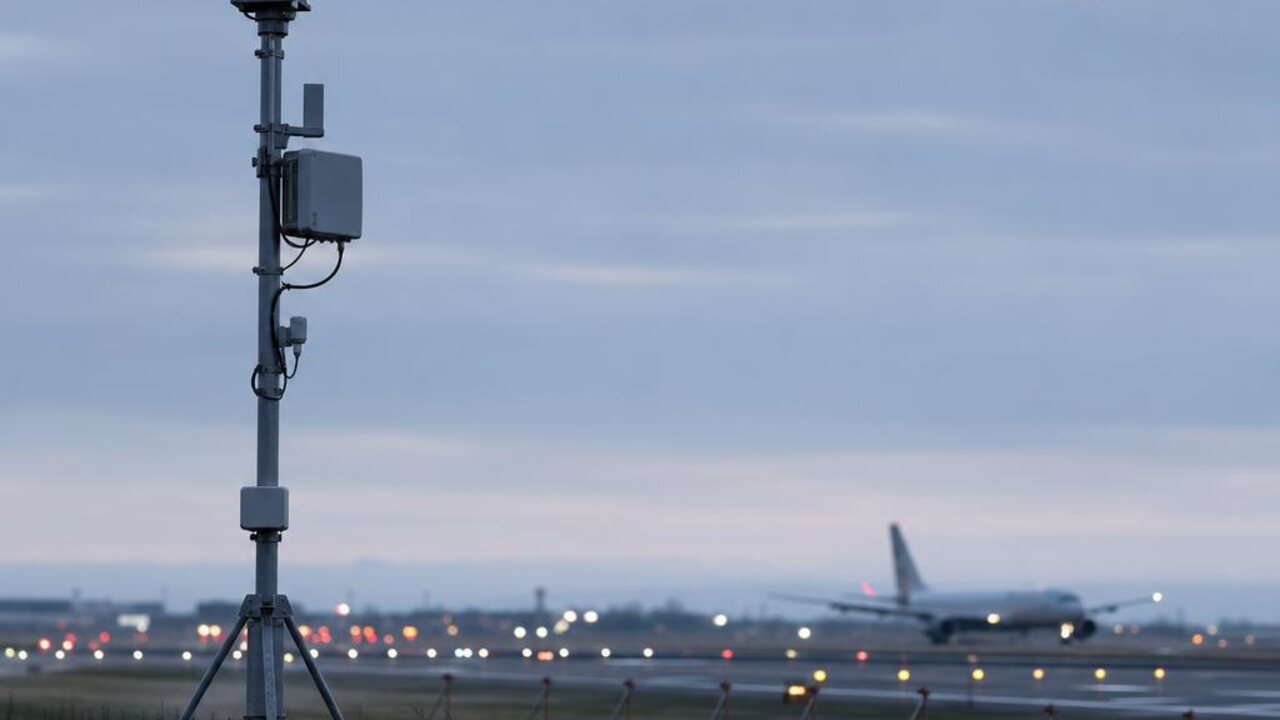
A single drone sighting can close runways for hours at national cost, yet everything that stops drones elsewhere is constrained at an airport: jamming threatens navigation and communications systems, kinetic defeat drops debris where aircraft operate, and the sensor picture must separate one small intruder from continuous legitimate traffic. Airport C-UAS is the discipline of defending under maximum constraint.
Evaluate detection against the real environment
The first evaluation axis is sensing in the airport's actual conditions: discrimination of small drones against aircraft, vehicles and birds; coverage of approach corridors and perimeter dead ground; performance amid the site's dense RF environment; and a false-alarm rate operations can live with. A system that cries wolf hourly will be ignored by day three. Insist on extended on-site trials, not demonstrations under favourable conditions.
Evaluate defeat against aviation constraints
The second axis is defeat that aviation authorities can approve: graduated options with precision and low collateral effect (capture-class interceptors typically rank high precisely because they neither radiate nor scatter debris), clear procedural integration with air traffic control for any engagement, and pre-negotiated legal authority defining who may act, against what, under which conditions. An effector the regulator will not clear is decoration.
Evaluate the system as an operation
The third axis is everything that keeps the capability alive: integration with airport operations and national air defence rather than a stand-alone screen nobody watches; staffing and training realistic for a security operation running continuously; upgrade paths against a threat that changes yearly; and a supplier accountable in-region for the system's working life. Airports buy a decade of operation, not an installation.
What an aviation buyer should hold onto
Airports operate under maximum constraint, so the advantage goes to the buyer who evaluates against reality rather than a favourable demonstration. That means judging detection by how well it discriminates a small drone from legitimate traffic and by a false-alarm rate operators will still trust on day three; judging defeat by whether the aviation authority can actually approve it, with low-collateral, capture-class options and engagement procedures tied into air traffic control; and judging the whole against the site's own dense electronics and dead ground. Above all, treat the purchase as a decade of continuous operation: insist on extended on-site trials, realistic staffing and training, upgrade paths against an evolving threat, and a supplier accountable in-region for the system's working life. Protecting the airfield is a sustained mission, and the evaluation framework should reflect that.
