
7 May 2026
Concentration meets contestation
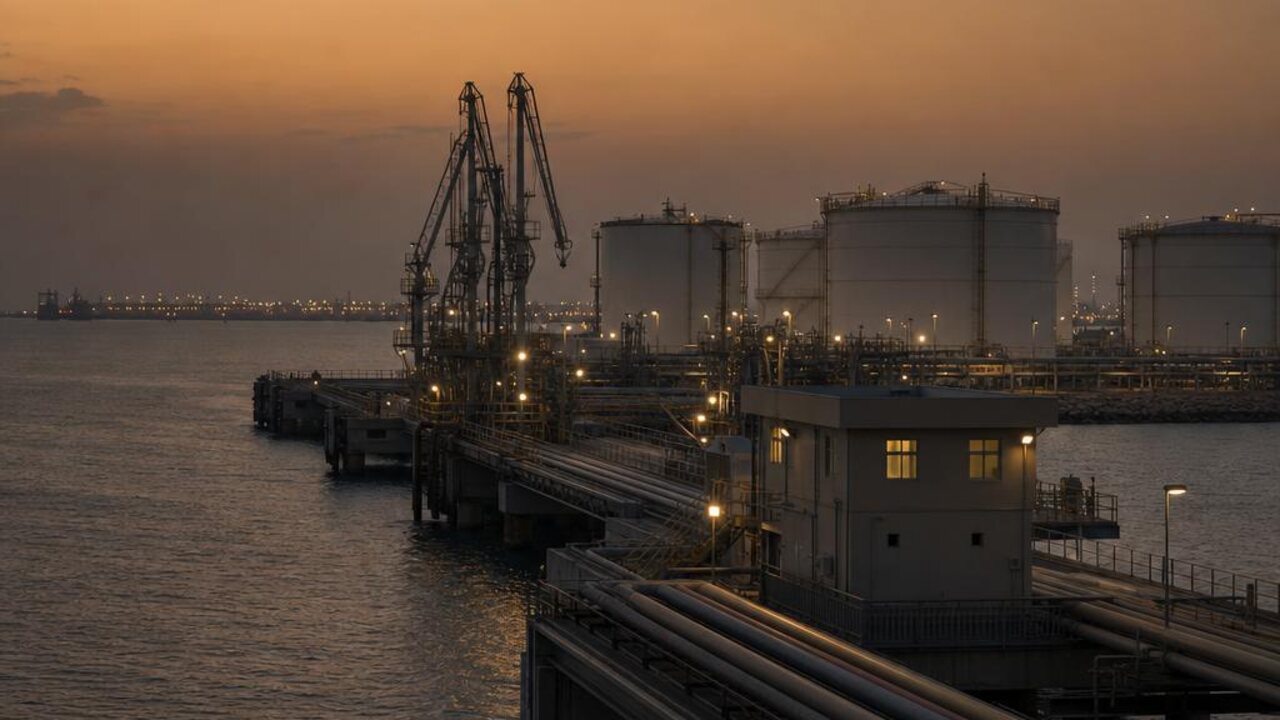
The Gulf hosts an extraordinary concentration of strategic infrastructure (the world's busiest energy export terminals, mega-ports, desalination plants that are the region's water supply) inside one of its most contested neighbourhoods. Cyber operations against regional energy and industrial targets are documented history here, not hypothesis, and planners treat OT intrusion as an expected form of pressure.
Why the infrastructure is attractive
These assets combine high consequence with long technological memory: control systems installed across decades of expansion, deep vendor ecosystems with remote-access arrangements, and processes (export flows, water production, port throughput) whose interruption is felt nationally within hours. An adversary does not need destruction; credible disruption of a terminal or desalination plant is leverage by itself.
The regional hardening agenda
Gulf operators are converging on a common agenda: rigorous asset and connectivity inventories across sprawling sites, segmentation that isolates safety and control systems from business networks, tightly brokered vendor remote access, passive monitoring with regional threat context, and resilience engineering, the demonstrated ability to run critical processes manually or islanded while an intrusion is contained.
Choosing protection without new dependencies
There is a strategic layer to the procurement itself: the security stack inside national infrastructure sees everything and is trusted by everything. Operators in the region increasingly weigh the origin and political exposure of that stack alongside its features, preferring suppliers whose support cannot be politically interrupted and whose engagement includes in-region presence and knowledge transfer rather than remote dependency.
What this means for regional operators
Operators guarding the region's ports, terminals and desalination plants gain the most by planning for OT intrusion as an expected form of pressure rather than a remote possibility. The practical agenda is consistent across sprawling sites: rigorous asset and connectivity inventories, segmentation that isolates safety and control systems from business networks, tightly brokered vendor access, passive monitoring informed by regional context, and the resilience to run critical processes manually or islanded while an intrusion is contained. The strategic advantage lies in who supplies that protection, because the security layer sits inside national infrastructure for decades and is trusted by everything around it. Buyers protect their mission by choosing an accountable single channel whose support cannot be politically interrupted, with in-region presence and knowledge transfer, and localisation arrangements scoped per programme, subject to export controls and end-use approvals.
