
17 April 2026
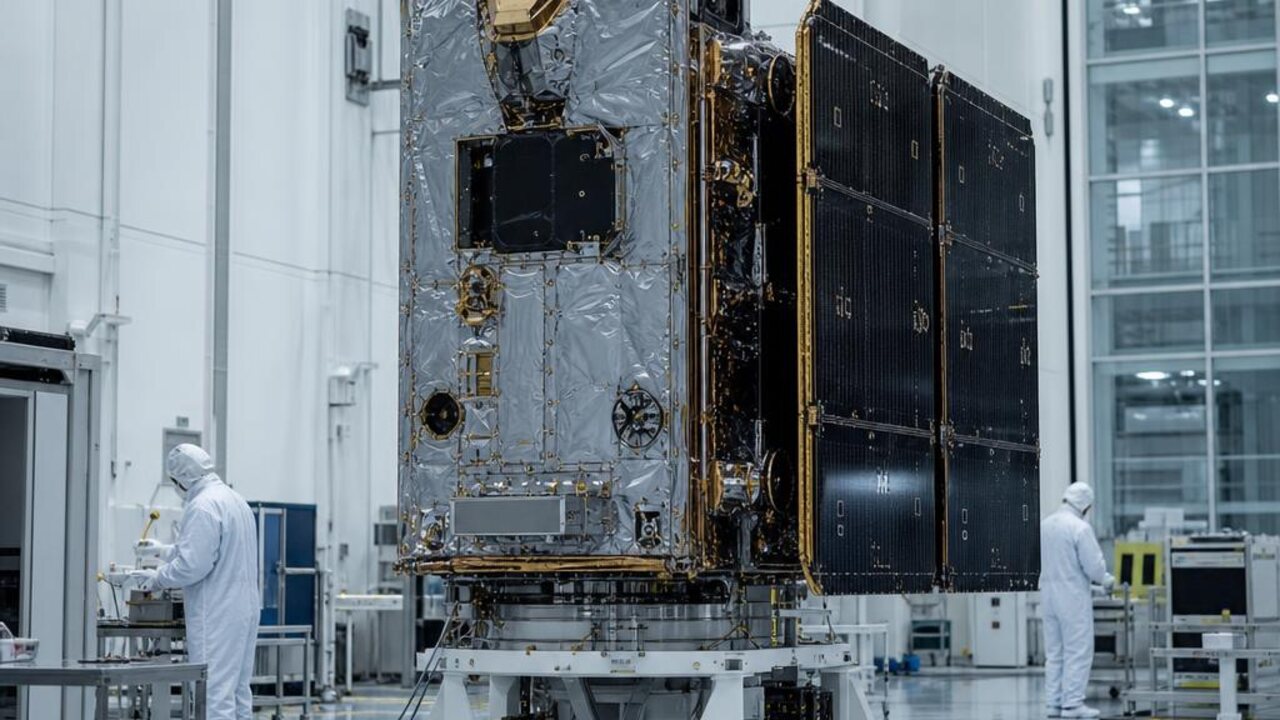
Beyond a single satellite
Sovereign space infrastructure is the complete chain a nation needs to own and run a space capability: observation and communications spacecraft, the ground segment that tasks and receives from them, the qualified electronics inside them, and the engineers trained to sustain the whole.
Why the whole chain matters
A satellite bought without the ground segment, spares or trained operators is not a sovereign capability. It is a dependency in orbit. Owning the chain end to end is what turns hardware into infrastructure a nation controls.
Structuring for national ownership
Programmes can be structured from the outset for national ownership: radiation-tolerant electronics, ground stations and mission and engineering training alongside the spacecraft, so the capability outlasts its first deployment.
The conclusion for space programme owners
For a nation weighing a space programme, the practical takeaway is that a satellite alone is a dependency in orbit, not a capability you own. The advantage lies in acquiring the whole chain (spacecraft, ground segment, qualified electronics and trained engineers) so that tasking, receiving, sustaining and upgrading all sit under national control rather than a foreign schedule. Structuring a programme this way from the outset, with mission and engineering training alongside the hardware and localisation arrangements scoped per programme, subject to export controls and end-use approvals, is what turns a purchase into infrastructure that protects the mission over the long term. Owning the chain end to end keeps the initiative in national hands and lets the capability outlast its first deployment, which is the whole point of building sovereign.