
20 May 2026
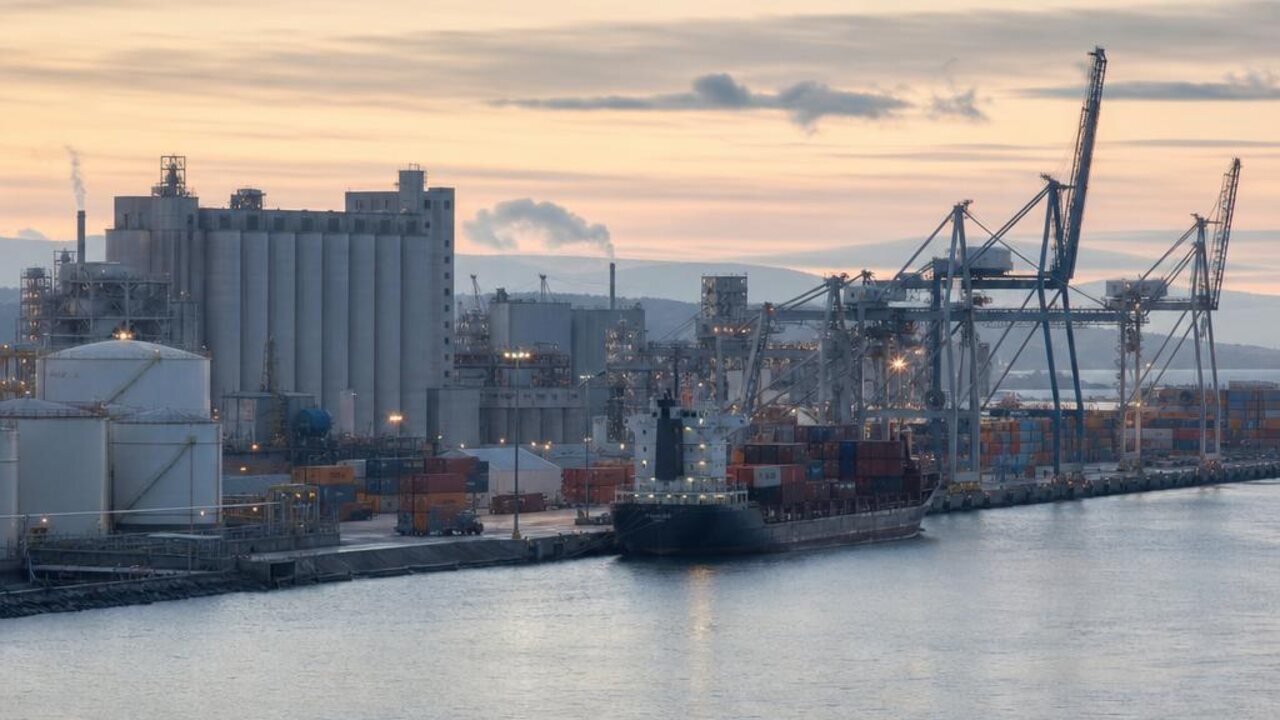
The widened definition of security
Recent conflicts and disruptions have made a broad lesson unavoidable: a state's security is only as strong as its critical systems. Food supply chains, power and water infrastructure, ports and sea lanes are targets and pressure points in their own right. Ministries that once bought only weapons now treat resilience infrastructure as a security procurement.
Energy and infrastructure
Power grids, water utilities, refineries and ports run on operational technology that was never designed for a contested environment. Hardening that infrastructure (cyber protection for industrial control systems, surveillance of critical sites, redundancy in communications) has moved from an IT budget line to a national-security programme in most serious capitals.
The maritime domain
For coastal states, sovereignty is exercised on water. Illegal fishing drains national resources; unmonitored EEZs invite smuggling and worse; ports are single points of national failure. Maritime domain awareness, knowing what is in your waters, is among the highest-leverage security investments available to most states, and one of the most affordable.
Why sourcing independence matters here too
Resilience systems are long-lived and deeply embedded, which makes political strings on them especially costly. A monitoring network, cyber platform or strategic reserve that depends on a foreign power's continued goodwill is a resilience system with a built-in fragility. Non-aligned sourcing applies to this layer with, if anything, more force than to weapons.
Why this matters for resilience planners
For planners responsible for food, energy and maritime resilience, the practical conclusion is that the systems a nation cannot function without are now security infrastructure and must be procured with the discipline of weapons. Because these systems are embedded for decades (grids, water utilities, ports, monitoring networks), foreign political conditions on their operation or support create the very fragility they were bought to remove. That is why sourcing independence carries as much weight here as in any weapons programme: it protects the continuity of the mission from a supplier's changing goodwill. Maritime domain awareness in particular offers high-leverage protection of resources and sovereignty at modest cost, with localisation arrangements scoped per programme, subject to export controls and end-use approvals, so resilience capability enters the national base as a durable advantage rather than a dependency.
