
21 July 2026
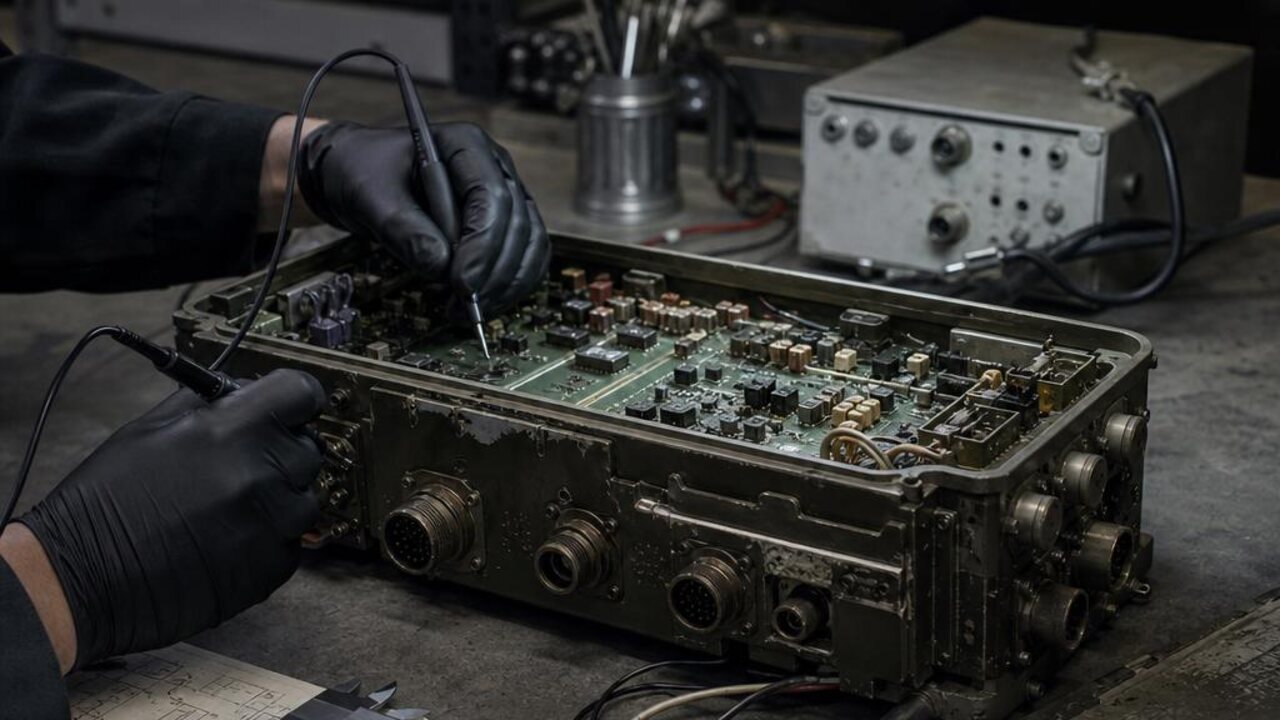
The problem every fleet eventually meets
A warship, combat aircraft or armoured vehicle is designed to serve for decades. The electronics, components and materials inside it were not. Long before a platform reaches the end of its useful life, the parts it depends on go out of production: the manufacturer moves on, the supply chain dries up, the original design authority loses interest in a legacy line. The result is a capability that is still strategically valuable and physically sound, grounded or tied up for want of a component nobody makes any more. Obsolescence engineering is the discipline that stops that happening.
What obsolescence engineering does
The work runs from anticipation to remedy. Proactive obsolescence management watches the supply chain and forecasts which components will disappear, so the problem is planned for rather than discovered when a repair fails. When a part is genuinely gone, the engineering options are to find a qualified equivalent, to re-engineer a form-fit-function replacement, or to redesign the affected subsystem, each verified so the substitute is trustworthy in a system where failure has consequences. The goal is not to freeze a platform in time but to sustain and, where sensible, improve its capability across a service life that outlasts its original bill of materials.
Why it is a sovereignty question
Depending on the original foreign manufacturer to solve every obsolescence problem is a dependency dressed as support: the supplier sets the price, the timeline and, ultimately, whether a legacy platform keeps flying at all. For nations operating imported fleets, sovereign obsolescence capability is what keeps those fleets viable through a period of tension or a soured relationship. It is the sustainment counterpart to technology transfer (the ability to keep a platform in the fight without asking permission), and it protects the enormous prior investment that a mature fleet represents.
Building the capability at home
Sovereign obsolescence engineering is built in layers, like other national capabilities. It begins with the ability to inspect and verify, non-destructive testing that certifies a part or structure is fit to keep serving, and extends to reverse-engineering and qualified re-manufacture of components the original supplier no longer provides. Institutionalised as a national function rather than a series of one-off fixes, it turns platform sustainment from a foreign dependency into a domestic industry. Sourced through one accountable, non-aligned channel, and structured with genuine transfer of the inspection and re-engineering skills, it keeps ageing platforms sovereign for the rest of their lives.
What this means for fleet operators
For a nation operating imported fleets, the conclusion is that obsolescence is a sovereignty problem to be owned rather than a support contract to be renewed. Depending on the original manufacturer to solve every shortage hands over the price, the timeline and ultimately whether a platform keeps flying, so building the capability at home protects the prior investment a mature fleet represents. Build it in layers: start with the inspection and verification that certify a part fit to keep serving, extend into reverse-engineering and qualified re-manufacture, and institutionalise it as a national function. Sourced through one accountable, non-aligned channel with genuine transfer of the skills involved (localisation arrangements scoped per programme, subject to export controls and end-use approvals), it gives the advantage of keeping ageing platforms sovereign for the rest of their lives.
