
13 May 2026
Strategic autonomy as an industrial trait
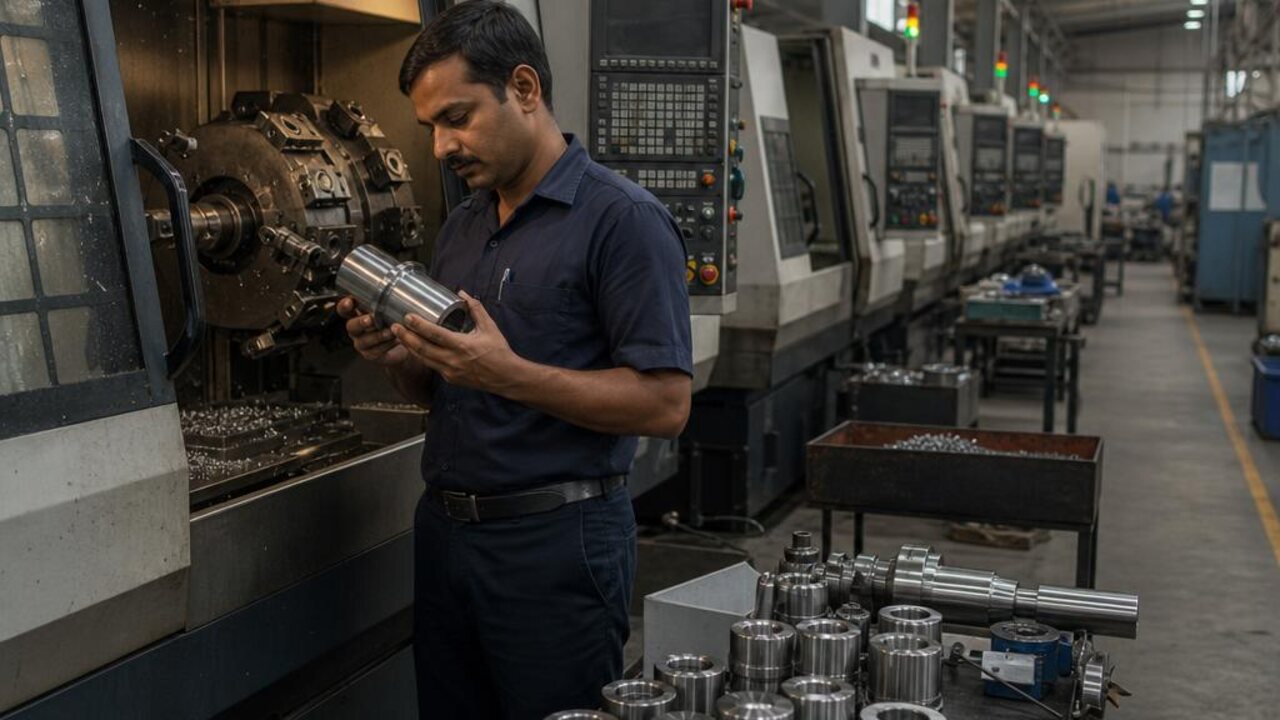
India's foreign policy tradition of strategic autonomy is mirrored in its industry: a large, technically deep manufacturing base that answers to no bloc's export regime. For buyers seeking capability without any major power's strings, that combination (genuine engineering depth plus political independence) is rare and valuable.
Where the depth is
The strongest categories track India's civil-industrial strengths: unmanned systems and counter-drone equipment, software-defined radio and secure communications, cyber and OT security, non-destructive testing and precision inspection, specialty metals and machining, and an increasingly capable private space sector spanning satellites and ground segment.
The honest caveats
Not every Indian manufacturer is export-ready, and buyers should not treat the label as a guarantee. Export authorisation processes take time; documentation and quality-system maturity vary; and few makers maintain sustainment presence abroad. The gap between excellent factory and dependable foreign supplier is real, and it is precisely the gap a representation channel closes.
How buyers engage well
The effective pattern is capability-first: define the requirement, let an accountable non-aligned channel identify the substantiated Indian (or other independent) maker behind it, confirm export-control position and end-use certification before commitment, and contract sustainment in-region. Buyers get the autonomy benefit without underwriting an exporter's learning curve.
How buyers should read the India opportunity
India's appeal to a defence or critical-infrastructure buyer is the pairing of genuine engineering depth with strategic autonomy: capability whose exports carry no bloc's political conditions, the kind of independence that protects freedom of action over a system's life. The honest caveat is that the label is not a guarantee: export-readiness, documentation maturity and in-region sustainment vary from maker to maker. The way to capture the advantage is to work capability-first through a single accountable channel that identifies the substantiated maker, confirms classification and the end-user-certificate chain before commitment, and contracts sustainment locally, with localisation arrangements scoped per programme, subject to export controls and end-use approvals. Read this way, India becomes a dependable source for the mission rather than a gamble on a factory.
