
14 May 2026
Radar without a transmitter
Conventional radar transmits energy and reads the echo. Passive radar transmits nothing: it exploits the illumination already present (broadcast, communications and other ambient signals) and detects objects by how they disturb those signals. The surveillance is silent: there is no emission to detect, locate, jam or schedule around.
Why silence matters for infrastructure
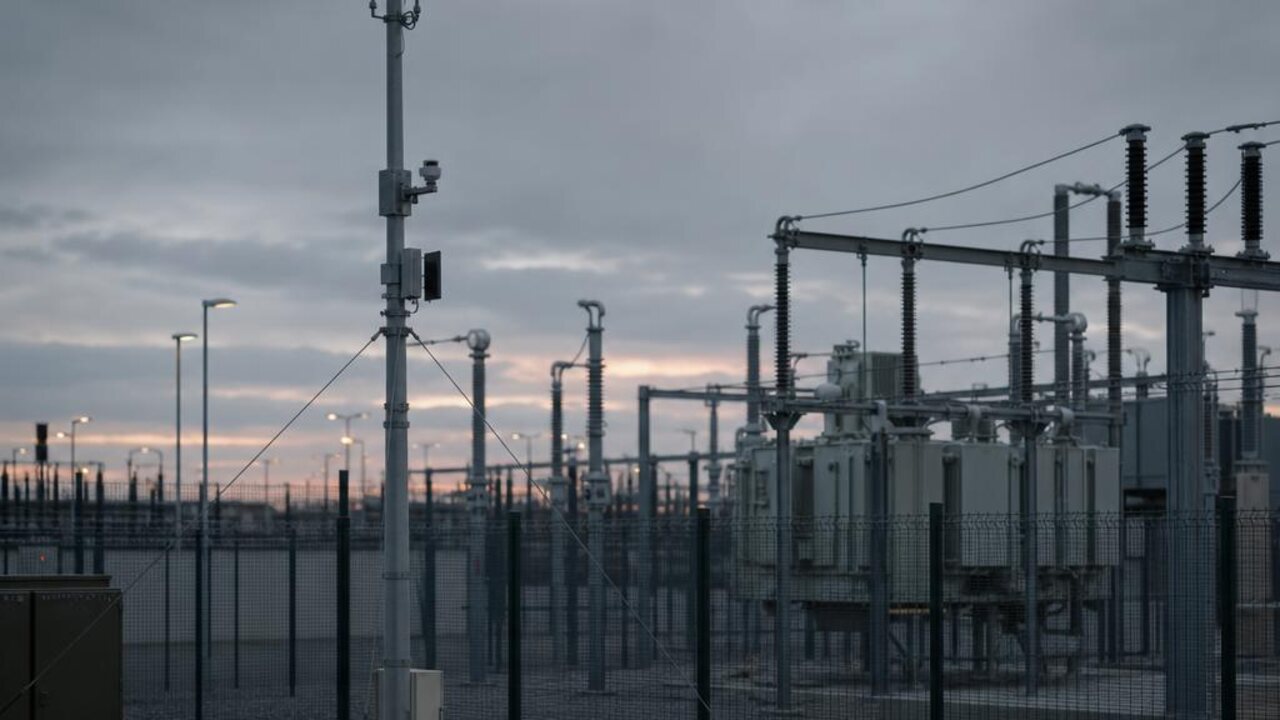
For refineries, ports, power plants and government sites, the air-surveillance question has become urgent, and drones have made that lesson unavoidable, but an active radar on such a site announces itself: its emissions reveal that surveillance exists, invite jamming, and can raise licensing issues in crowded urban spectrum. A sensor that watches without radiating suits protective missions that prefer discretion.
Strengths and honest limits
Passive radar adds a persistent, low-signature air picture and is difficult to detect or deliberately evade, since its illumination comes from everywhere. Its performance depends on the ambient signal environment, and precision varies with geometry and processing, which is why it is best understood as a layer: complementing active radar, radio-frequency detection and electro-optical sensors rather than replacing them.
Fit within a protection system
In an infrastructure-protection architecture, passive radar typically provides wide-area, always-on early warning that cues other sensors and effectors: it flags the approaching track, an RF or optical sensor classifies it, and the response, from security team to counter-UAS system, engages with time in hand. Buyers should evaluate it at that system level: coverage, integration and sustainment, not stand-alone statistics.
How buyers should weigh passive radar
For those protecting refineries, ports, power plants and government sites, passive radar offers a distinct advantage: a persistent air picture that watches without radiating, so the defence does not announce itself, invite jamming, or add to spectrum-licensing burdens. That discretion suits protective missions that would rather not advertise what they can see. The honest conclusion is to evaluate it as a layer, not a silver bullet: silent wide-area early warning that cues active radar, RF detection and electro-optical sensors, giving the response time in hand. Buyers protect their sites best by judging the whole system: coverage across the geometry that matters, integration with the sensors and effectors already in place, and sustainment that keeps the picture live for the long life of the installation. Chosen that way, it strengthens the layered defence rather than promising to replace it.
