
5G is national infrastructure, whoever runs it.
Operator-grade security for telecom and 5G networks: core assessment, AI-driven defence, incident response and range-based training, delivered by an independent partner who verifies rather than trusts.
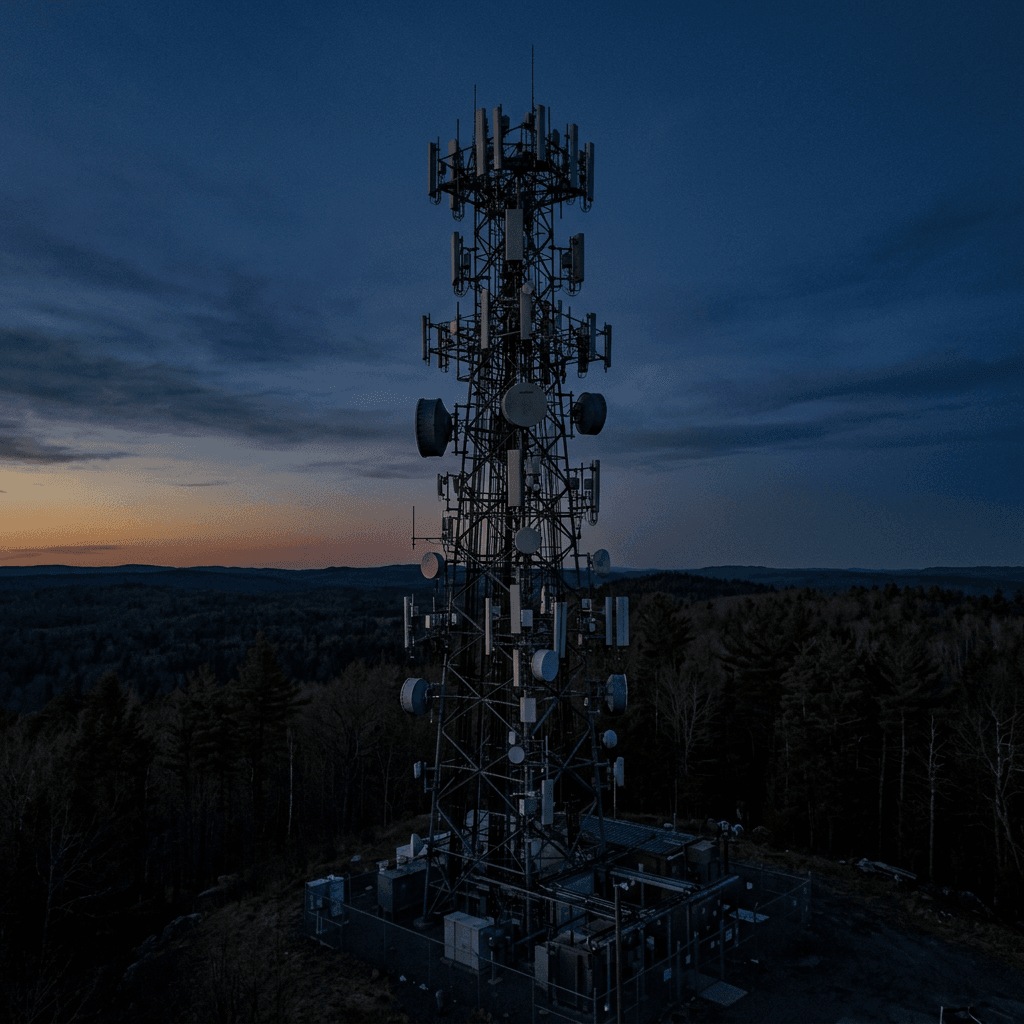
Everything else rides on your network
A telecom operator sits underneath the rest of the economy. Finance, energy, government and civil infrastructure all ride on the network, which means a compromise of the core does not stay in telecoms. It cascades outward into every system that depends on connectivity. The operator is not just defending a business. It is defending the substrate everything else runs on.
5G sharpens this. The core is software-defined, decomposed into network functions, and increasingly the boundary between a national asset and a commercial product is invisible to the people using it. That makes the network national infrastructure regardless of who owns the company running it, and it raises the standard the security has to meet.
The problem is compounded by how these networks are built. Too much national telecom infrastructure is assembled on foreign vendors' terms, leaving the operator to trust components it cannot fully inspect. Security here has to be about verification, not faith.
Assess the core down to the function
Securing a 5G network means getting inside it. Telecom and 5G network security provides network-function security, core-network assessment and zero-trust architectures for the networks every other system rides on. It works down to individual 5G core network functions, exposing weaknesses before an adversary can reach them, and gives operators and regulators continuous assurance rather than a one-off certificate.
The value of an independent assessor is that it answers a question the vendor cannot: can I verify what I depend on, rather than trust it blind? Sovereign network assurance is built precisely for infrastructure too often stood up on foreign vendors' terms, so the operator can confirm the integrity of its own core.
That assessment is specification-driven, modelling the network from how it is meant to behave, then testing whether it does. It is the difference between a scan that finds known signatures and an examination that understands how the network is supposed to work. For a 5G core assembled from many functions supplied by many vendors, that structural view is often the only way to see the gaps that fall between the components nobody owns end to end.

Defend at machine speed, and secure the AI too
A national network generates more events than any human team can read. Defending it at that scale means putting automation on the operator's side. AI security provides security orchestration and automated response that force-multiplies a small team to machine speed (proven in operations blocking 100,000-plus threats daily) so a sovereign team can defend a national network without ceding control to a foreign platform.
There is a second front. Operators increasingly deploy their own AI systems, and those become targets in their own right. AI security programmes harden an organisation's models against poisoning, evasion and misuse, with adversarial testing before a model is trusted with anything that matters, and governance frameworks for AI deployed in sensitive environments.
The two halves belong together: AI used to defend the network, and the discipline to make sure that AI cannot be turned against it. Both keep the operator in control rather than dependent on a black box it cannot audit.
Respond fast, and train against the real thing
No assurance programme makes a network unbreachable, so the operator has to be ready for the day something gets through. Incident response provides containment, eradication and recovery when a live intrusion hits, delivered by a team whose responders have broken into rail, maritime and industrial control systems legally and know how an adversary moves. Retainer and rapid-deployment options mean the team is arranged in advance, and every engagement feeds hardening so the same breach cannot recur.
Readiness is not only a plan; it is a trained team. Cyber ranges let defenders train against live attacks on realistic replicas of their own environment, with structured curricula, certification and after-action review. Repeated exposure to realistic attack builds the muscle memory that protects live systems under pressure, and the scenarios can be tuned to the operator's own threat picture.
Between a rehearsed team and a pre-arranged response capability, an incident becomes a procedure the operator has practised rather than a crisis it is meeting for the first time. The first time a team meets a serious attack should be in the exercise, not on the live core.
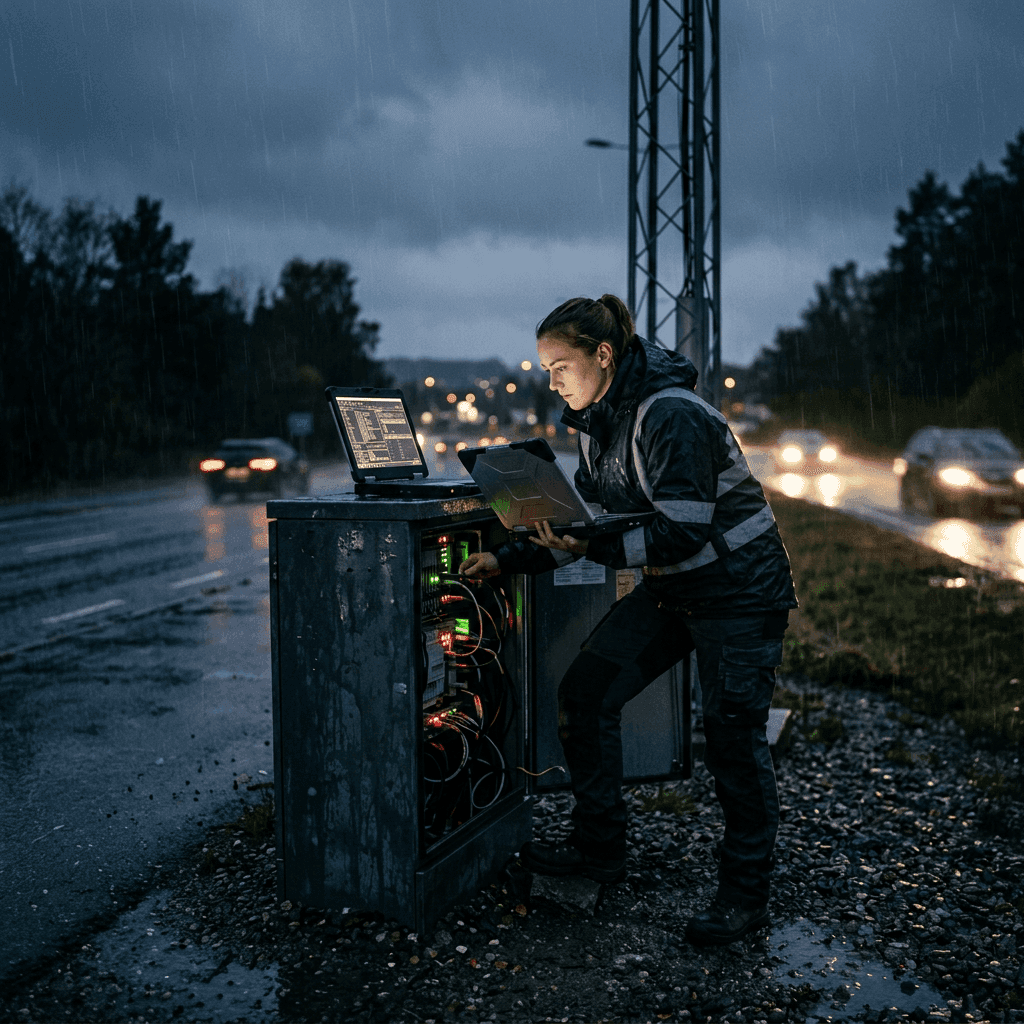
Verified, not trusted
The through-line across all of this is independence. Unstrat is a non-aligned vendor, which lets an operator verify the infrastructure it depends on rather than take a foreign supplier's word for it. For a network that carries a nation's finance, government and defence traffic, that independence is a security property in its own right. An assessor with no stake in the equipment it examines has no reason to look away from an inconvenient finding.
Core assessment, machine-speed defence, hardened AI, rapid response and range-based training arrive as one coordinated capability through a single accountable channel. The operator keeps control of the standard, the tooling and the findings.
5G is national infrastructure, whoever runs it. Securing it means treating it that way: verified down to the function, defended at machine speed, and answerable to the operator alone.


