
Sensors don't win engagements. Fused sensors do.
A dozen feeds is not awareness. It is confusion under pressure; the win comes from fusing them into one picture and keeping the link that carries it alive in contested spectrum.
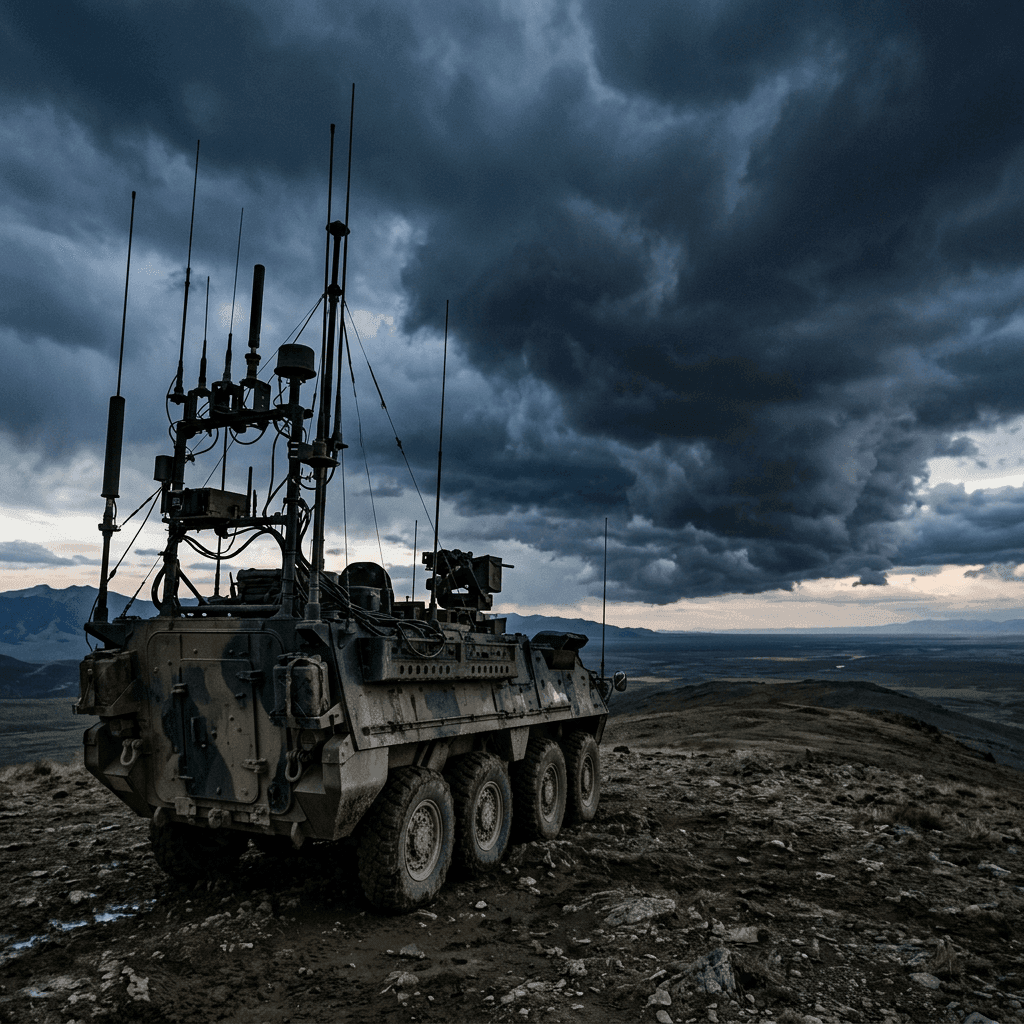
More sensors is not the same as more awareness
Every modern force is drowning in feeds. Radar returns, RF intercepts, optical tracks, drone downlinks, each one useful, all of them arriving faster than a crew can reconcile. The instinct is to add more sensors. The result is often less clarity, because the burden of correlating a dozen contradictory pictures falls on a human being who does not have the seconds to spare.
The engagement is not won by whoever owns the most sensors. It is won by whoever turns their sensors into one coherent picture fast enough to act on. Fragmentation is the enemy: duplicate tracks, conflicting bearings, a threat missed because it fell between two systems that never spoke to each other.
So the problem to solve is not sensing. It is fusion, resilient links to carry it, and a command layer that acts on it, all owned by the nation fielding it rather than borrowed from a coalition on its own terms.
This is a familiar failure to anyone who has stood in a busy command post. The feeds that were meant to add clarity instead add screens, and each screen needs an operator watching it. When the tempo rises, that arrangement breaks: the human who was supposed to synthesise everything becomes the bottleneck. The fix is not more discipline from the crew. It is an architecture that does the correlating so the crew can do the deciding.
One fused operating picture
Our sensor-fusion suite merges radar, RF, optical and unmanned-platform feeds into a single operating picture, presented on immersive command-post displays built for rapid comprehension. It correlates at machine speed while keeping the operator firmly in the loop, so the commander sees one trusted picture instead of arbitrating between a dozen feeds under fire.
That matters for two reasons beyond speed. It compresses the decision cycle, and it reduces the risk of fratricide and missed threats by resolving duplicate and conflicting tracks into a single set the whole command post trusts. A picture nobody argues with is a picture people act on.
Fusion is also the connective tissue of the wider force. The same suite feeds the counter-drone and unmanned-systems command layer, so what the sensors see becomes what the effectors and platforms act on: one picture flowing straight into the engagement rather than being re-typed into a separate system.
The inputs it fuses can include feeds that never advertise themselves. An emitter-free passive radar contributes detections without transmitting, exploiting illuminators already in the environment, so the fused picture gains coverage of small drones and low-RCS movers without adding a signature for an adversary to home on. Fusion is what lets a quiet sensor and a loud one contribute to the same trusted track set.
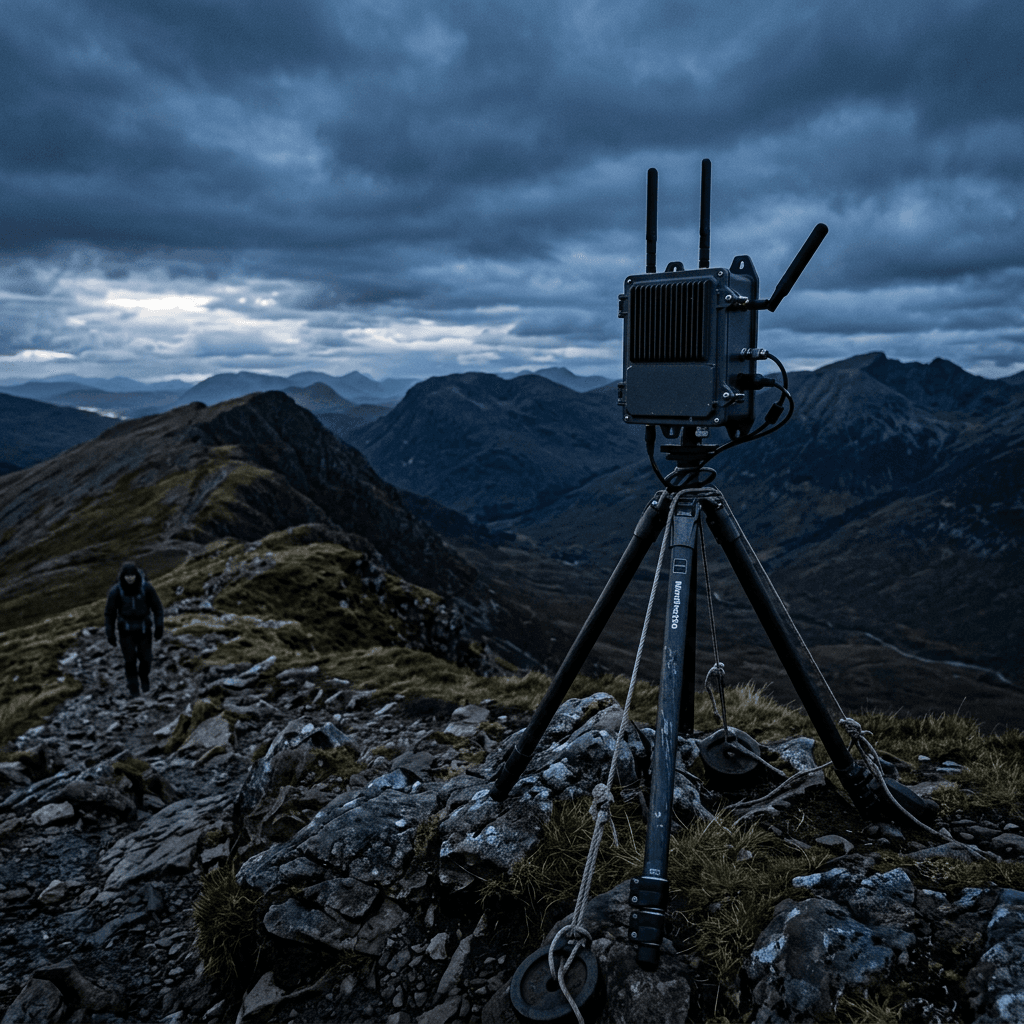
The link has to survive the jamming
A fused picture is worthless if the network carrying it collapses under attack. Serious adversaries jam, and they hunt for the single node whose loss brings down the whole net. A conventional link is a single point of failure waiting to be found.
Our anti-jam mesh data links are built for exactly this. Encrypted, anti-jam waveforms hold up in contested spectrum, and a self-healing mesh topology across units, vehicles and unmanned systems means losing a node never means losing the network. It scales from a patrol to a formation without re-architecture, which is what lets sensor fusion, unmanned systems and command all stay coordinated while under pressure.
The mesh is purpose-built as a tactical data link, distinct from the reconfigurable radio line that complements it. Together they give a force a link layer that degrades gracefully instead of failing all at once, the difference between fighting connected and fighting blind.
Command that acts, and radios that adapt
A picture and a link only earn their keep when something acts on them. The autonomous command-and-control layer takes the fused picture and turns it into coordinated action: real-time decision making, adaptive mission planning and coordinated multi-agent execution, delivered over encrypted, anti-jam mesh networking. It is the layer that lets many platforms and effectors move as one force rather than a collection of individually tasked systems.
Beneath the tactical net, communications still have to reach further and adapt on their own timescale. Our reconfigurable software-defined radios change mode and band in the field rather than in the procurement cycle. Built on a hybrid SDR architecture with 24-bit conversion behind crystal roofing filters and embedded compute, and released as open-source hardware and software, they are auditable and field-repairable, communications that evolve with the threat instead of being locked to a vendor's upgrade calendar.
The same reconfigurable open software-defined radios are field-repairable because their hardware and software are open, which matters as much as the waveforms they run. A radio a technician can service in the field, rather than return to a foreign depot, is a radio that stays in the fight. Communications that adapt in the field, not the procurement cycle, are the practical expression of a network you actually own.
Every element here comes from an independent, non-aligned origin, assembled through one accountable channel. The picture is yours, the link is yours, and the command layer answers to your flag, with no coalition access conditions attached to any of it.
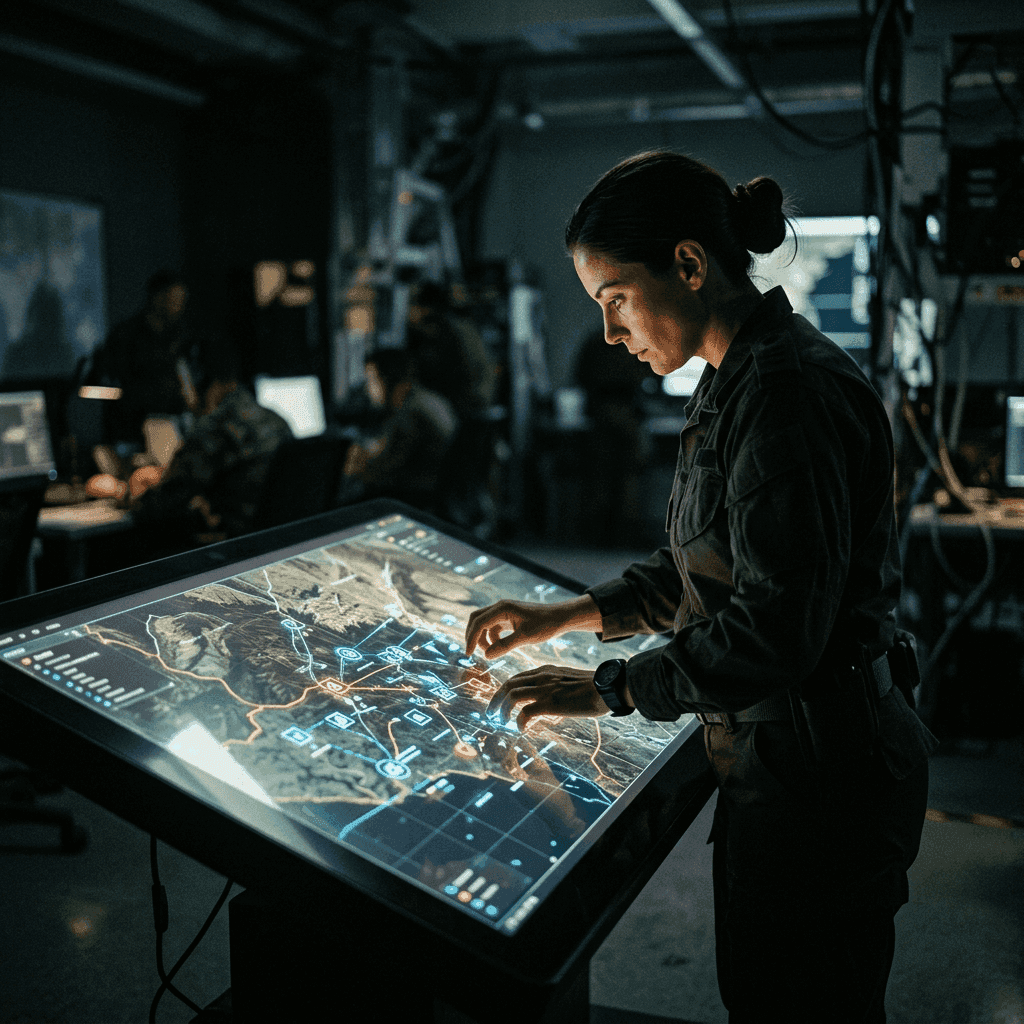
The picture that stays yours
Borrowed intelligence comes with borrowed priorities. A force that depends on someone else's fused picture sees what that party chooses to share, when it chooses to share it. Owning the fusion, the links, the command layer and the radios is what keeps the picture sovereign: tasked on your priorities and sustained in your region.
That is the case for treating the battlefield network as one architecture rather than four separate buys. Fused sensing, resilient links, a command layer that acts and radios that adapt are not a shopping list. They are a single system, and delivered as one they win engagements that the same sensors, bought piecemeal, would lose.


