
Power and water are now targets. Defend them like it.
The control systems behind power, water and finance are strategic targets. Reduce their attack surface, defend them continuously, keep them running off-grid and verify the structures they depend on.
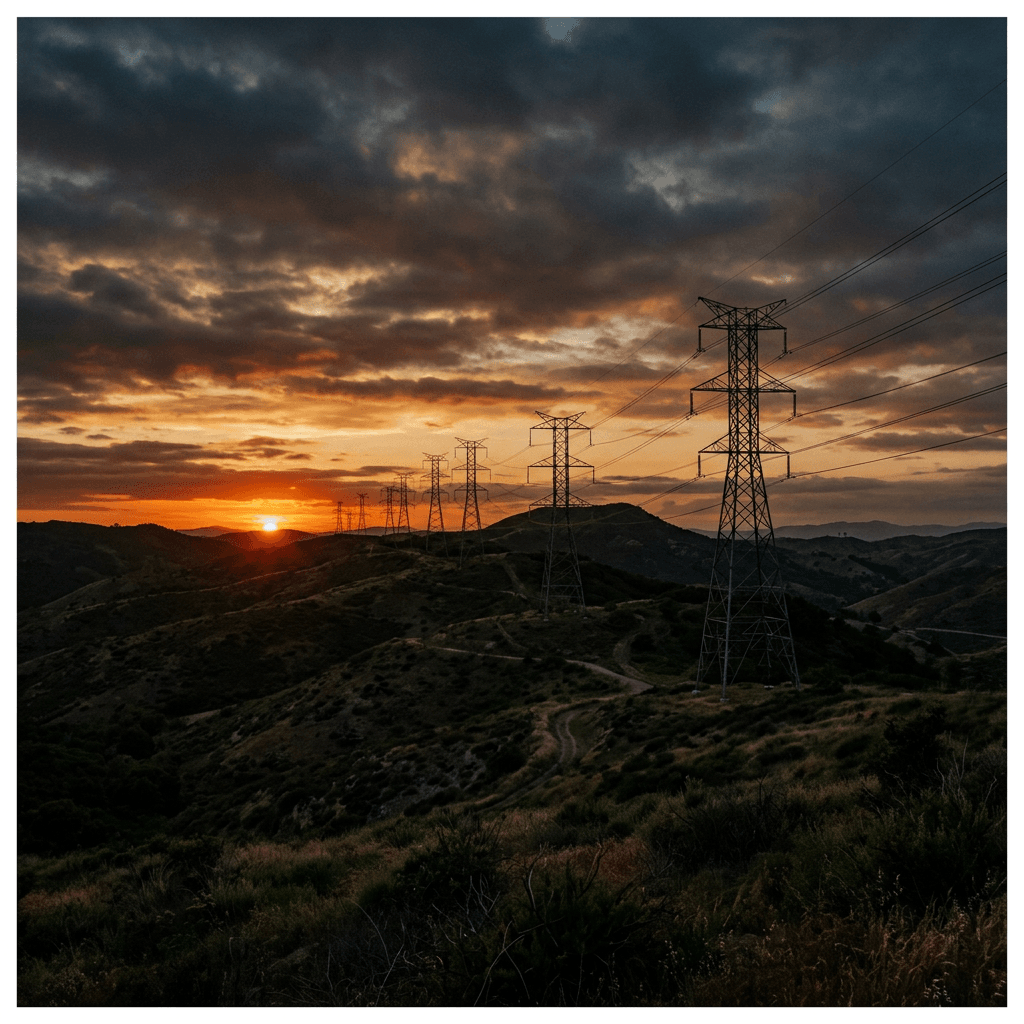
The utilities that run the country are now the front line
The systems that keep a nation functioning, the control networks behind power, water, energy and finance, were built to be reliable, not to be attacked. They are now attacked routinely. An adversary who can reach a substation controller or a water-treatment SCADA network no longer needs to cross a border to cause a blackout, a spill or a settlement failure.
What makes these systems hard to defend is exactly what makes them essential: they cannot simply be switched off and patched. Operational technology runs continuously, and much of it cannot be rebooted on demand without consequences that ripple across a whole region. Defending it means reducing the attack surface, watching it around the clock and verifying the physical estate it depends on, all without taking it down to do so.
Unstrat brings that work together through one accountable, non-aligned channel, with no obligation to disclose what it finds to any foreign government. The capabilities below address the problem from the control network out to the concrete and steel.
Shrink the attack surface before someone maps it
The starting point is infrastructure hardening: OT-native security engineered for the SCADA and industrial control systems that cannot be rebooted, with deep protocol coverage for IEC 61850, Modbus and DNP3, including air-gapped networks with zero tolerance for false positives. This is not enterprise IT security repurposed for a grid; it is defence built for environments where downtime means blackouts, spills or settlement failures.
The credibility of that hardening is not theoretical. The work is field-proven on live grids and payment networks, with more than 3 GW of generation defended and vulnerability research credited on the US NIST register. Substation-security technology for IEC 61850 environments has been government-lab validated and live-deployed, the difference between an assessment on paper and a defence that has held under real conditions.
Reducing the attack surface is the cheapest security a nation ever buys, because it removes the vulnerabilities before an adversary has to be detected exploiting them. It is the foundation everything else in this story is built on.
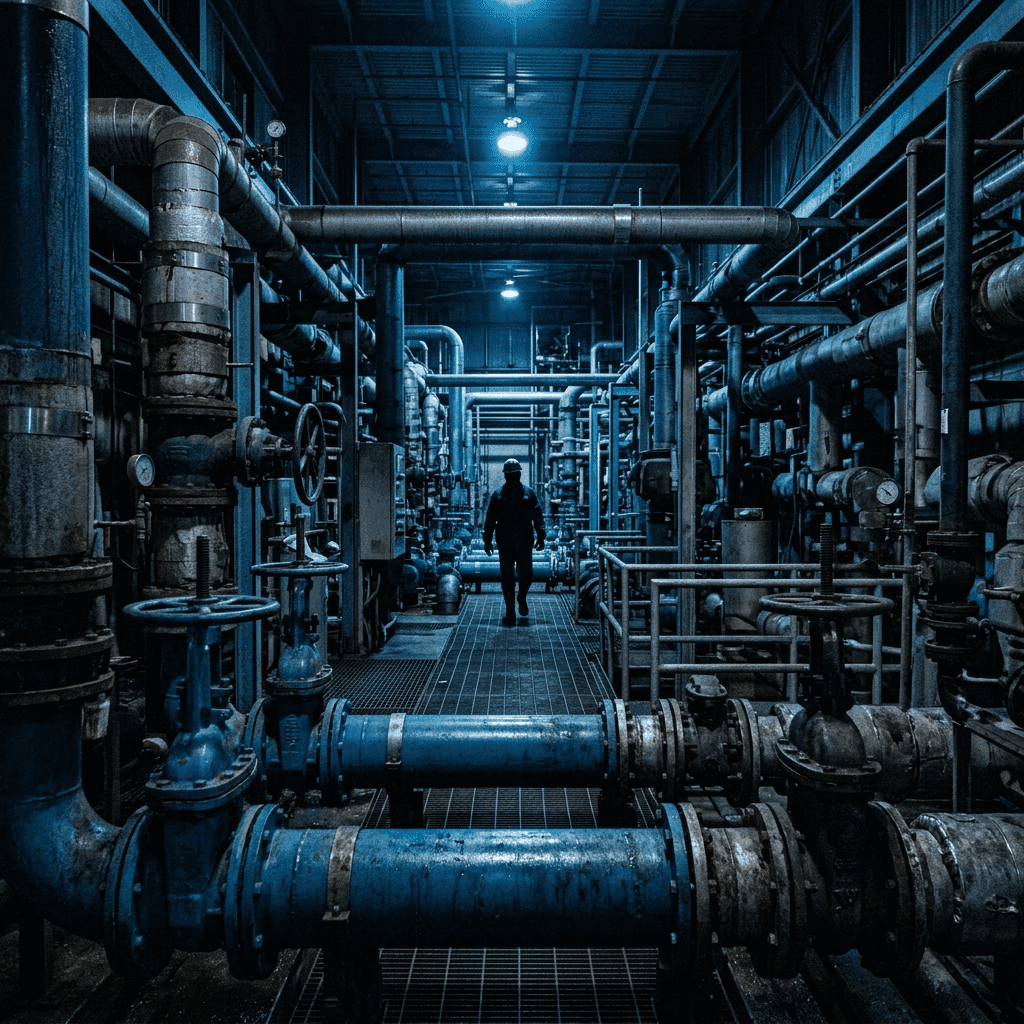
Watch it around the clock, and respond when it matters
Hardening reduces the surface; it does not remove the need to watch. Defensive cybersecurity provides 24/7 security operations, threat detection and incident response for critical systems, with more than 100,000 threats blocked daily across fleets, grids and financial platforms. AI-assisted operations let a small team fight at machine speed, shipped with defence-in-depth and human oversight rather than left to run unsupervised.
Continuous defence is only as valuable as its response when something breaks through. That is why the picture is completed by incident response: engagements that contain and eradicate live breaches and red-team operations that rehearse the adversary before one arrives. The responders bring the perspective of researchers who have legally broken into ships, rail systems and industrial control networks, and every engagement leaves the estate more defensible, feeding its findings straight back into hardening.
The result is a loop rather than a one-off: harden, monitor, respond, and harden again from what the response taught. For infrastructure that cannot afford a second identical breach, that loop is the point.
When the network drops, the defence cannot
Some of the most critical systems a nation runs are precisely those it cannot keep connected: isolated, air-gapped and remote installations that must operate without reliable connectivity. Off-grid cybersecurity provides security architectures for exactly those environments, delivering assurance for disconnected systems from a partner with no foreign-government reporting line.
Physical integrity matters as much as network integrity. The structures that carry a nation's infrastructure age, corrode and fatigue, and a failure there is as disabling as any cyber attack. Non-destructive testing verifies that estate without disassembly, using digital radiography, high-energy X-ray and computed tomography to keep structures and components certified and in service. Applied across platforms, components and in-service assets, it turns structural assurance from a hope into a documented record.
Together, off-grid protection and non-destructive inspection close the gaps that a purely connected, purely cyber view of resilience leaves open. Infrastructure fails at the seams between disciplines, and this is where those seams are covered.
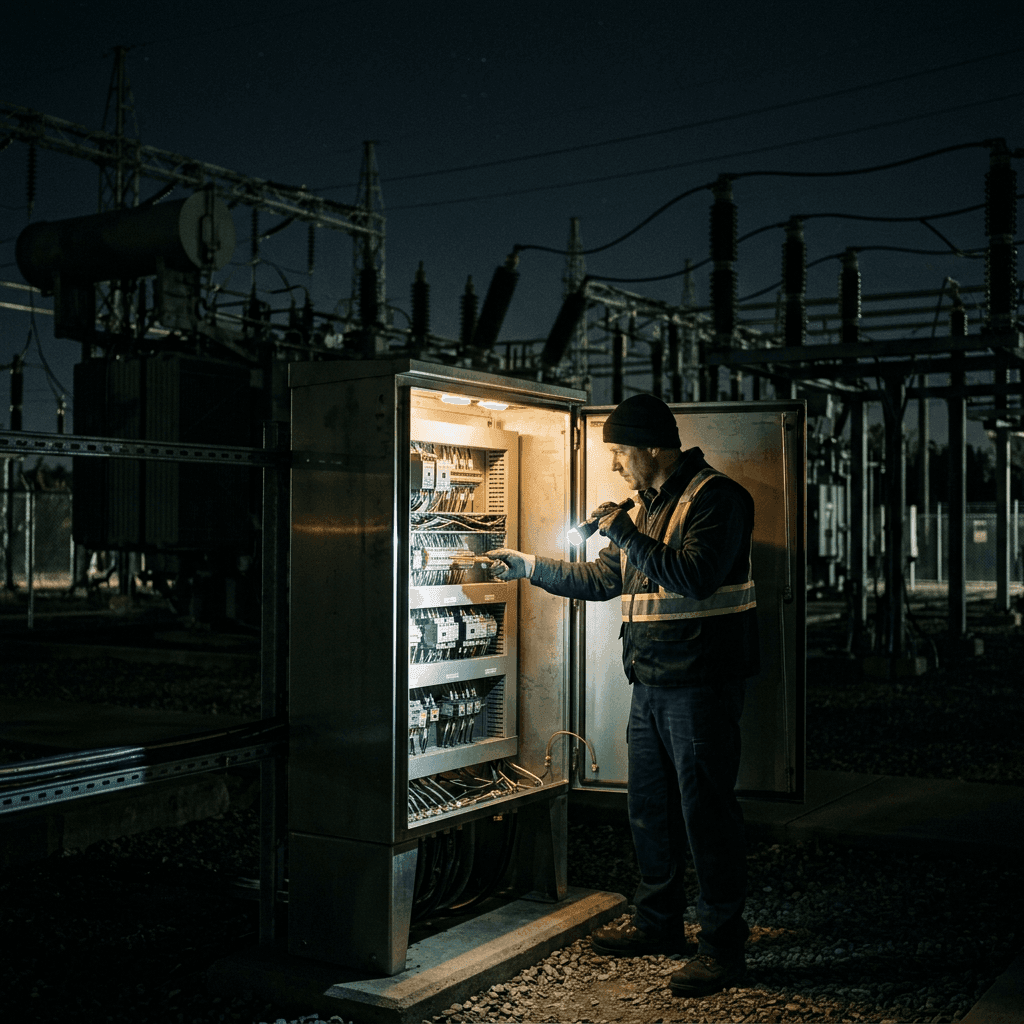
One accountable team across all of it
The reason to bring hardening, continuous defence, off-grid assurance, incident response and physical inspection through a single independent channel is that infrastructure resilience is not one problem but a set of interlocking ones. Split them across vendors and the gaps between contracts become the vulnerabilities. Hold them under one accountable team, with no major-power disclosure obligations, and the defence is coherent from the control network to the concrete.
For a government buyer, that coherence is the difference between a stack of security products and a resilient nation. Power and water are targets now. This is what it looks like to defend them as such.


