
Capability is people. Train them before you need them.
Readiness across cyber, unmanned and space depends on trained people: live-fire cyber ranges, simulator-to-live drone certification and space-programme training that outlast any single supplier.
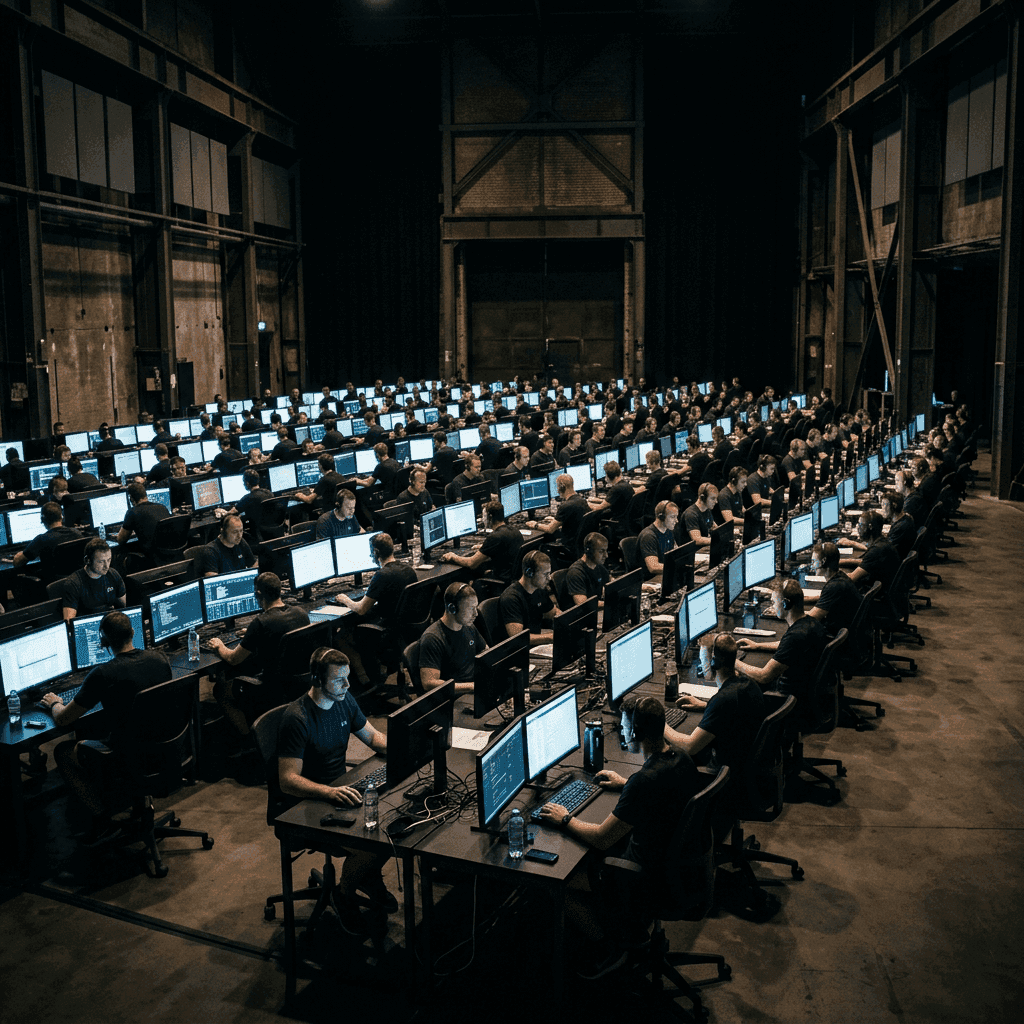
Equipment does not defend a nation. Trained people do
Every capability a government buys, whether a cyber defence, an unmanned fleet or a space programme, is only as good as the people who can run it under pressure. Hardware is the easy part of a procurement; competence is the hard part, and it is the part most often left until the capability is already needed and there is no time left to build it.
Readiness is a decision made years in advance. A defender who first meets a serious attack in the middle of one has already lost time that cannot be recovered. An operator who first flies a difficult mission on task, or a satellite team that learns its systems only after the contractor has left, is a capability gap dressed up as a delivered programme.
Training is what turns bought equipment into standing capability, and it is where a nation decides whether the capability answers to its own people or remains dependent on a supplier's staff. Unstrat structures that training across cyber, unmanned and space as one accountable, non-aligned channel, so the readiness stays in-region and under national control.
Cyber defenders trained like ships' crews
A security team that has only read about attacks is not a defence. Cyber ranges and training fix that by running live-fire exercises on realistic replicas of a defender's own environment, including a dedicated maritime cyber range built around real bridge, navigation and OT systems rather than generic IT labs. Structured curricula and certification pathways, with red-blue exercise design and after-action review, turn security teams into practised crews.
The value is muscle memory. Repeated exposure to realistic attack builds the reflexes that protect live systems when the pressure is real, and scenario libraries can be tuned to a nation's own threat picture so training rehearses the incidents it is actually likely to face, not a generic curriculum imported wholesale.
Trained defenders are the human layer that makes every other cyber investment pay off. A round-the-clock capability such as defensive cybersecurity is only as strong as the analysts staffing it, and a hardened network still needs people who know how to fight in it. The cyber range is where those people are made before the day they are needed, so the tools a nation buys are matched by the crews who can wield them under pressure.

Operators made in the simulator, proven in the air
Unmanned capability follows the same principle. Drone pilot training provides a simulator-to-live operator certification pathway delivered on the same ISR, attack and counter-UAS platforms the operators will fly on task, building sovereign operating capability in-region rather than sending crews abroad. The pipeline is sustained and repeatable, so a nation keeps producing current operators as platforms and doctrine change.
The first stage of that pathway is the drone simulator: a virtual-reality environment that rehearses realistic targets, multiple mission profiles and payload employment before a single live airframe is risked. Operators make their mistakes there, not on a live sortie that costs a platform, which protects scarce airframes and budget while compressing the road to competence.
Together the simulator and the live pathway turn a fleet of aircraft into a force of operators. A nation that can keep certifying its own crews holds a capability that does not evaporate when a foreign trainer's contract ends.
A space programme that outlasts its supplier
Nowhere is the difference between buying a capability and owning it starker than in space. A satellite delivered without trained national engineers and operators is a dependency, not a programme. Space programme training addresses this directly, developing the engineers and operators behind a national space capability through knowledge transfer designed to outlast the initial deployment, with formal certification pathways for satellite and ground-segment operators.
The intent is deliberate: to build people the nation keeps after the contractor leaves. A programme staffed only by a supplier's engineers is a programme the supplier can withdraw. A programme run by certified national operators is one the nation genuinely controls, and that distinction decides whether a space investment becomes a sovereign capability or an expensive lease.
Across cyber, unmanned and space, the pattern is the same. Train the people first, on your own soil, on the systems they will actually use, and the capability becomes yours to keep.
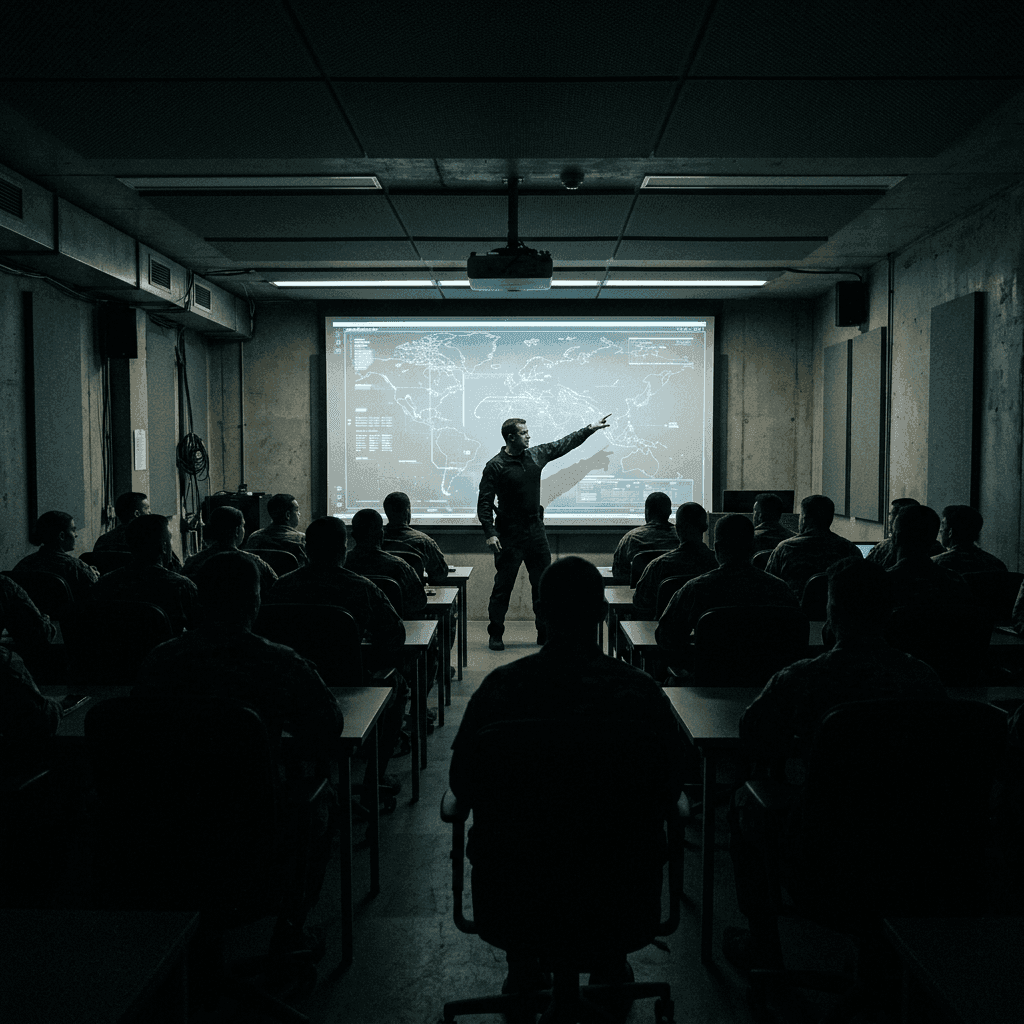
Readiness is a standing programme, not an event
The reason to draw these training pipelines from a single independent channel is that readiness is continuous, not a one-time course. Platforms evolve, adversaries adapt and staff move on, and a nation needs a standing ability to keep certifying current defenders, operators and engineers rather than a certificate that ages the moment it is issued.
For a government buyer, the message is simple. Capability is people. Train them before you need them, keep training them, and keep that pipeline under your own flag, because the day you need it is the worst possible day to start.


