
Remote sites can't call for help. Build the help in.
Resilience for off-grid sites means security that works without connectivity, communications that need no towers, aerial oversight of the perimeter and hardened control systems, designed in before the crisis, not improvised during it.
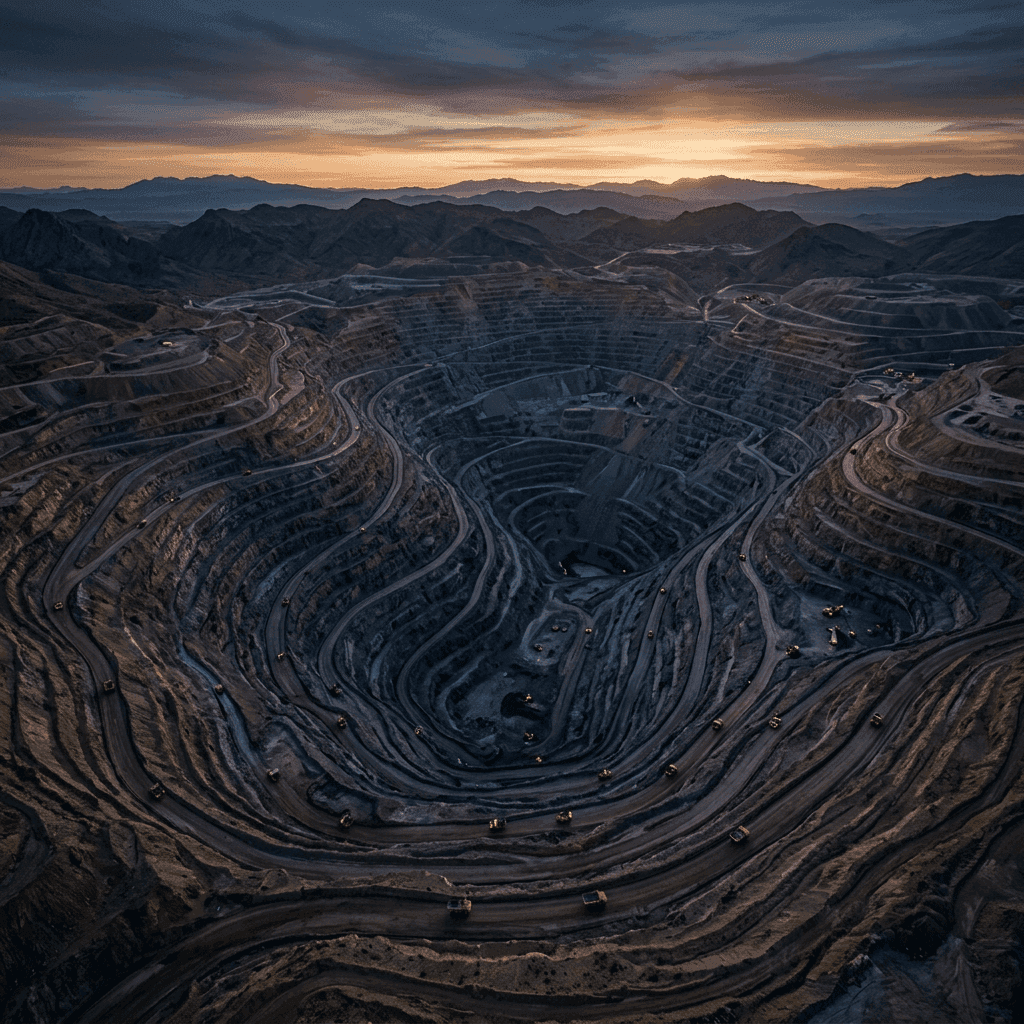
The nearest response is hours away
A remote mine, a pipeline pumping station, a processing plant at the end of a long road: these sites share a hard fact. When something goes wrong, help is not minutes away, it is hours. There is no dense mesh of connectivity to lean on, no responder around the corner, and often no reliable link to the outside world at all. Resilience cannot be summoned in the moment; it has to be designed in before the trouble starts.
That reframes the whole problem. Security, communications and awareness at a remote site are not features you bolt on when a threat appears. They are the difference between an incident that is contained locally and one that runs unchecked because nobody knew, nobody could call out, and the systems that should have held simply were not built for the environment they sit in.
It is also a problem most off-the-shelf answers quietly assume away. Vendors design for connectivity, for a maintenance crew a short drive away, for a spare part on next-day delivery. A remote operation has none of those luxuries, and a capability that depends on them is not resilience. It is resilience on paper that fails the moment the environment tests it. What a remote site needs is systems designed for isolation as the normal condition, not the exception.
Security that works when the link is down
Most cyber protection assumes connectivity: a constant channel back to a cloud console, a steady stream of updates. A remote or air-gapped site breaks that assumption. Assurance for disconnected systems is built for exactly this case: security for isolated, air-gapped and remote environments that holds even without reliable connectivity, from a partner with no foreign-government reporting line attached.
The site's control network is where the stakes are highest. Hardening for industrial control systems is OT-native, engineered for the SCADA and control environments where downtime means a stopped process or worse, with deep protocol coverage across the standards those systems actually speak, including air-gapped networks with zero tolerance for false positives. It is field-proven on live grids and control estates, which is the only proof that counts for a site that cannot afford to be a test case.
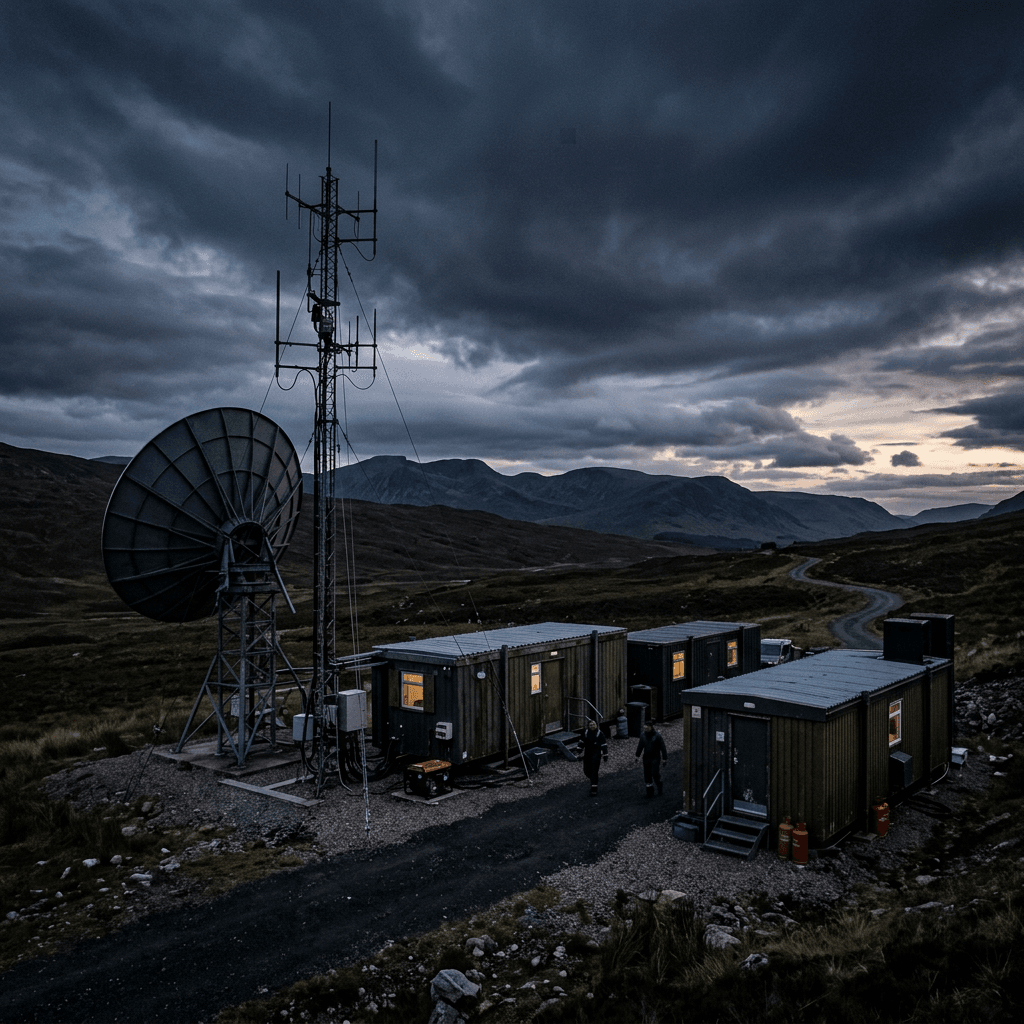
Communications that need nothing between the two radios
When the network drops, and at a remote site it will, the ability to raise the alarm cannot depend on infrastructure that is not there. Infrastructure-independent HF communications work when towers, satellites and subscriptions do not: compact, field-repairable transceivers with no infrastructure between the two radios, deployable as a standing contingency network for a site or a region.
For day-to-day working, reconfigurable software-defined radios give the site communications it can adapt itself. They cover the full HF band, run voice and digital modes on the radio without an external computer, and are built on open, field-repairable hardware, so mode and band change with the conditions on the ground rather than a procurement cycle. That matters where the nearest technician is a day's travel away and the fix has to be doable on site.
Field-repairability is the quiet virtue here. A sealed radio that fails at a remote site is a radio that goes back in a box and waits weeks for a replacement. An open, repairable one is a radio a site technician can keep working with parts and knowledge held locally, which is exactly the property that separates a communications capability a remote operation can rely on from one that merely worked on the day it was installed.
Eyes on the ground you cannot walk
A remote perimeter is too large to patrol on foot and too important to leave unwatched. Observation and surveillance drones deliver a continuous overhead picture: multirotor and fixed-wing platforms with stabilised day-and-night sensors, streaming live video to a ground control station over encrypted links. For a mine or a linear asset like a haul road or pipeline, that is the difference between finding out about an intrusion or a hazard now and finding out after the fact.
Because these platforms come from the maker of the wider unmanned and counter-drone line, the observation picture is designed to plug into the same architecture as the site's other systems rather than sit in a silo. The overhead feed is not an isolated gadget; it is one layer of the awareness the site is building.
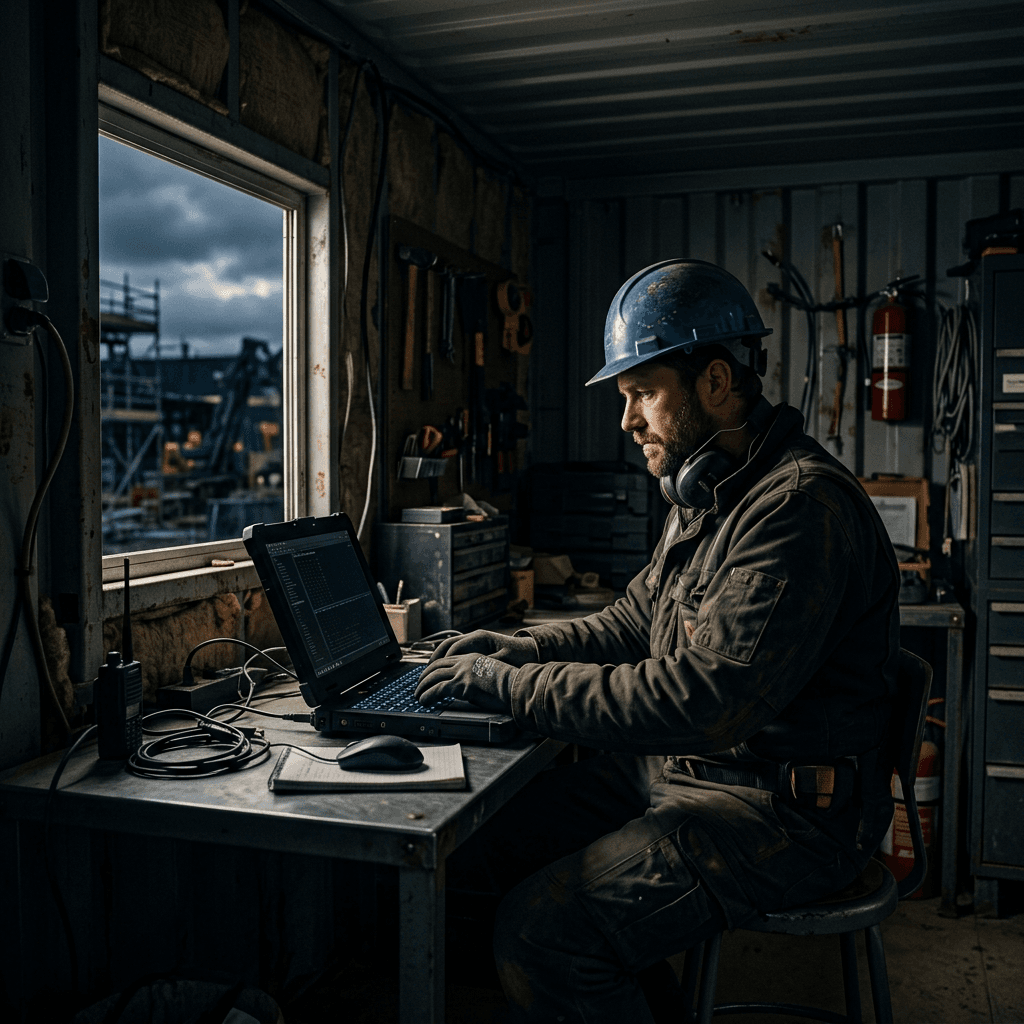
One accountable channel for the whole site
The advantage of building resilience this way is that it comes through one accountable, non-aligned channel rather than four disconnected suppliers who each point at the others when something fails. The disconnected-security layer, the hardened control estate, the infrastructure-independent communications and the aerial oversight are assembled to work together.
None of it is glamorous, and that is the point. Remote-site resilience is decided long before the incident, in whether the security still runs offline, the alarm still goes out, and someone can see the perimeter. Build the help in, and the site stops depending on a response that was always going to arrive too late.


