
The grid is a system of systems. So is the attack on it.
Resilience for energy and utilities: hardening the control networks, defending them continuously, protecting the sites that lose connectivity, and verifying the physical assets that carry it all.
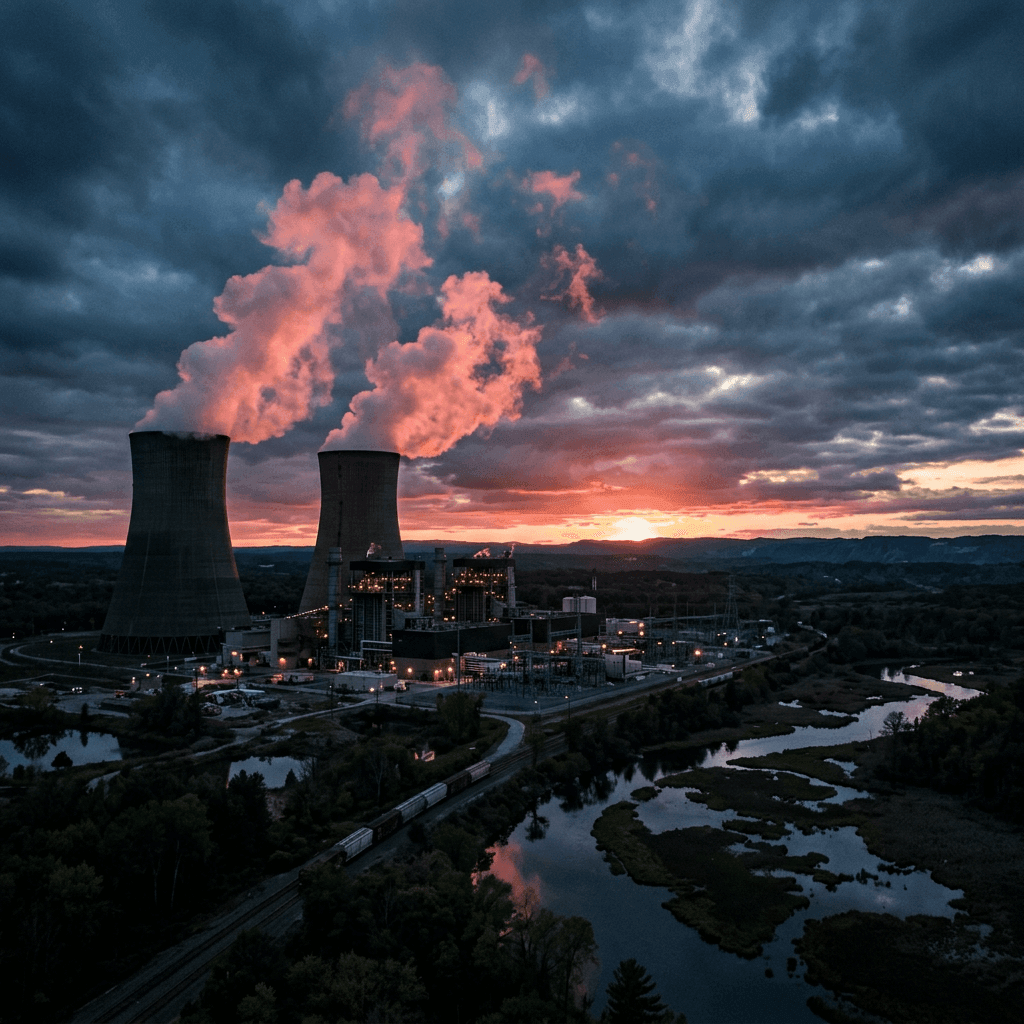
You cannot reboot a grid
A utility is not one system. It is generation, transmission, distribution, substations, control rooms and remote sites, each with its own equipment and its own vulnerabilities, all depended upon by everyone downstream. An adversary treats it as a system of systems, probing for the one link whose failure cascades, and the defence has to think the same way.
The particular difficulty of operational technology is that it cannot simply be taken offline and patched. These are environments where downtime means blackouts, and where a control system carrying live load has zero tolerance for a false positive that trips it unnecessarily. Ordinary enterprise security tools, built for servers that can be rebooted, are the wrong instrument here.
That is why utility resilience starts with security engineered for the plant itself, not bolted on from the IT department. It has to speak the grid's own languages and respect the fact that the thing it is protecting can never stop.
Shrink the attack surface of the plant
The first move is to reduce and understand the attack surface of the control estate. Infrastructure hardening provides OT-native defence engineered for SCADA and industrial control systems that cannot be rebooted, with deep protocol coverage for IEC 61850, Modbus and DNP3, including air-gapped networks where a false positive is unacceptable.
This is not theoretical work. The same capability has been proven on live grids, with more than 3 GW of generation defended and substation-security technology validated in a government laboratory and deployed in the field. For a utility, that track record is the difference between a vendor learning the environment on your estate and one that already understands what a substation demands.
Zero-day discovery and threat detection at gigawatt scale sit behind the hardening work, informed by vulnerability research credited on the US NIST register. The aim throughout is a smaller, better-understood attack surface: fewer ways in, and clarity about the ones that remain. A utility rarely gets to rebuild its control estate from scratch, so hardening has to work with the plant as it is, protocol by protocol, without demanding an outage to install itself.
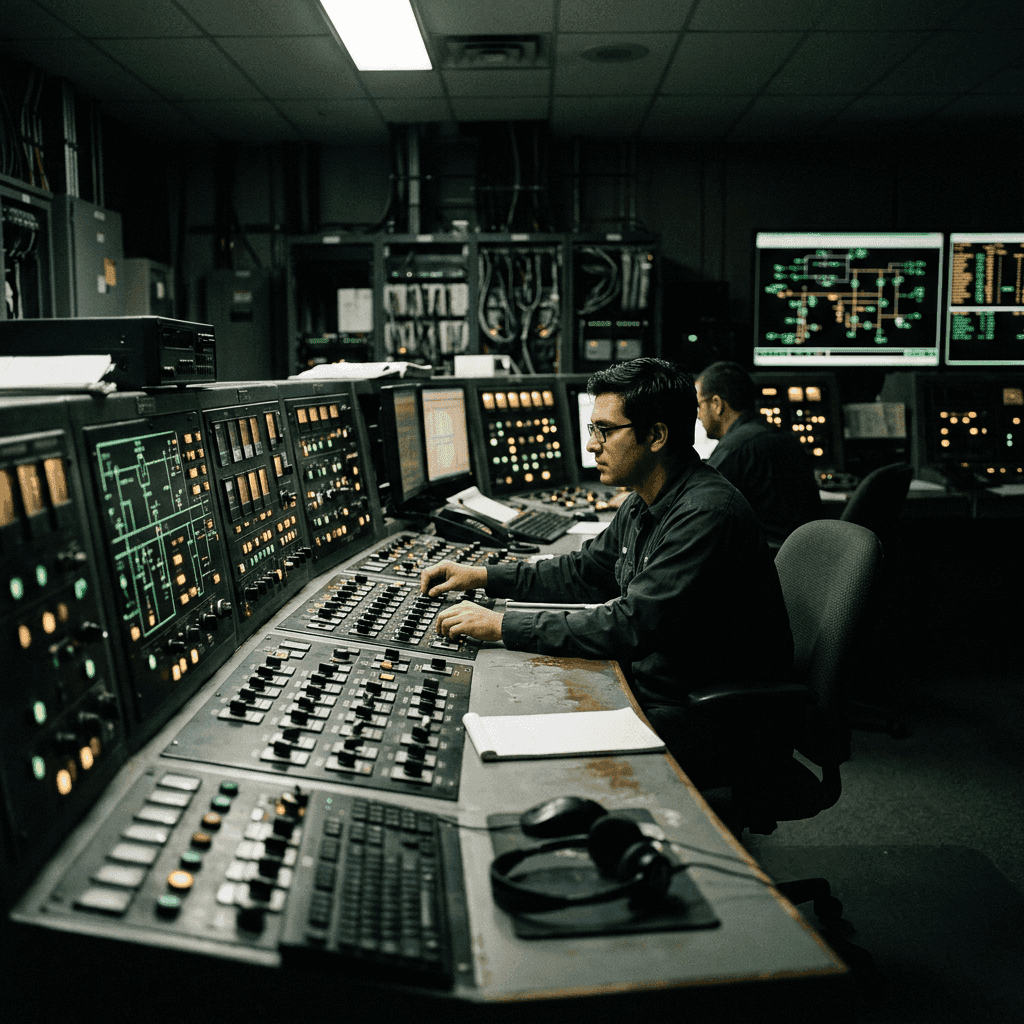
Watch it continuously, wherever it sits
Hardening reduces the surface; it does not remove the need to watch. Continuous defensive operations provide 24/7 security operations, threat detection and incident response that keep critical systems defended around the clock, blocking 100,000-plus threats daily across fleets, grids and financial platforms. AI-assisted operations let a small team fight at machine speed, always with human oversight, so a utility does not have to build a vast in-house watch floor to be defended like one.
Utilities also run assets where the network the rest of the enterprise assumes simply is not there: remote substations, pumping stations, sites at the end of a long, unreliable link. Security architectures for disconnected operations extend protection and assurance to isolated, air-gapped and remote systems, so the sites that lose connectivity do not lose their defence with it.
Together, continuous monitoring and disconnected-site assurance close a gap that utilities know well: the parts of the estate that are hardest to reach are often the ones an adversary reaches first.
The physical estate has to hold too
A grid is not only code and control signals. It is steel, welds, castings and pressure parts that fatigue, corrode and crack, and a physical failure can take out a line as surely as a cyber intrusion. Resilience means verifying the metal as well as the software.
Non-destructive inspection verifies structural integrity without disassembly, using digital radiography, high-energy X-ray and computed tomography to keep critical components certified and in service. Applied to platforms, components and in-service assets, it confirms that the physical estate is sound without pulling it apart to find out.
For an asset owner, that means fewer surprises: structures inspected to a documented standard, defects found before they become failures, and equipment kept available rather than pulled from service on suspicion. It is the unglamorous half of resilience, and it is often the half that decides whether the lights actually stay on. A cracked weld or a corroded pressure part does not care how well the control network is defended.
Keeping the physical estate certified also keeps it available. Inspection without disassembly means a component is confirmed sound and returned to service rather than stripped down on suspicion, so the utility loses neither the asset to a precautionary teardown nor its confidence in the metal that carries the load.
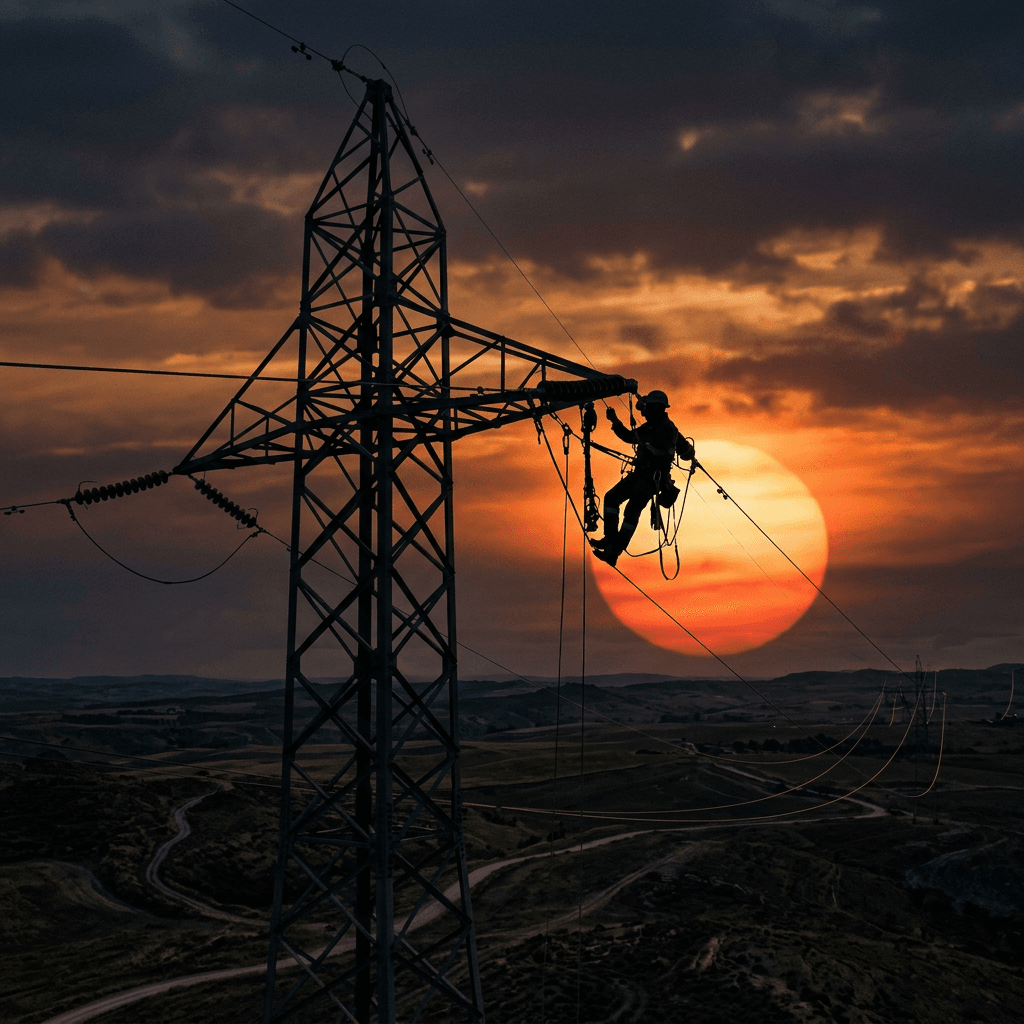
One accountable team across the whole estate
The strength of treating utility resilience as one problem is that the pieces reinforce each other. Hardening reduces the surface, continuous defence watches what remains, disconnected-site assurance covers the isolated ends, and physical inspection keeps the metal honest, and every finding informs the next.
Unstrat is an independent, non-aligned vendor, which means all of this is delivered through one accountable channel with no major-power dependency baked in. For infrastructure a nation depends on, the absence of a foreign reporting line is not a footnote. It is part of the resilience.
The grid is a system of systems, and so is the attack on it. Defending it well means matching that structure, across the control networks, the remote sites and the physical assets, with one team answerable for the whole of it.


