
A ship is a floating network. Treat it like one.
Cyber resilience for fleets: protection built for ships and ports, incident response for when it counts, continuous defence and a fallback communications layer that survives when the links do not.
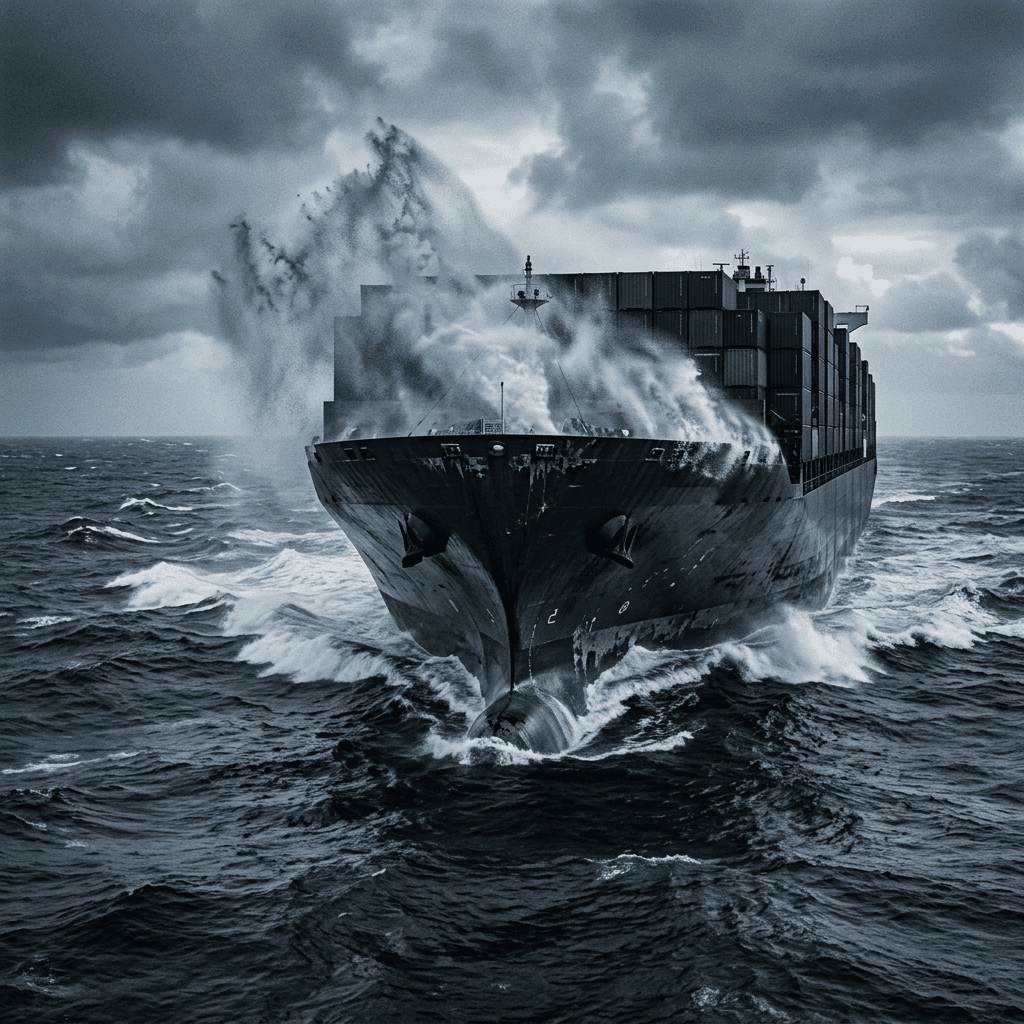
The vessel is an IT and OT estate that floats
A modern ship is a network with a hull around it. Bridge systems, navigation buses, cargo controls, engine management and crew IT all sit aboard, connected and dependent on one another, and a fleet is that estate multiplied across dozens or hundreds of hulls scattered across oceans. Treating each ship as a floating network is not a metaphor. It is the only accurate way to defend one.
The operational reality makes this hard. Vessels are remote, intermittently connected and crewed by people who are mariners first and security engineers never. A compromise of a navigation or OT system is not an inconvenience at sea; it is a safety event. And downtime across a fleet is measured directly in commercial loss.
The defence therefore has to be built for the maritime environment specifically, for ships and ports as they actually operate, not adapted from an office network and hoped to fit.
Security built for ships and ports
Maritime cybersecurity is built by maritime security researchers and proven at fleet scale: 1,500-plus vessels and 50-plus ship managers protected, with 100,000-plus threats blocked daily and 99.97% fleet uptime. That is not a pilot. It is a capability already operating across the OT and IT estates that keep ships and harbours running.
What sets it apart is how deep it reaches into the vessel. Hardware-based passive intrusion detection sits on ship navigation buses, invisible to every other device on the bus, while on-vessel edge compute is governed from shore with centralised patching, snapshots and east-west OT monitoring. The integrated fleet platform spans firewall, privileged access, detection and satellite management, with IACS E26 compliance built in.
It is also informed by real research on vessel control systems, including critical findings in production fleets. The people building the maritime defence have taken these systems apart and understand exactly where they break, which is a different thing entirely from a generic product configured to point at a ship and hope.
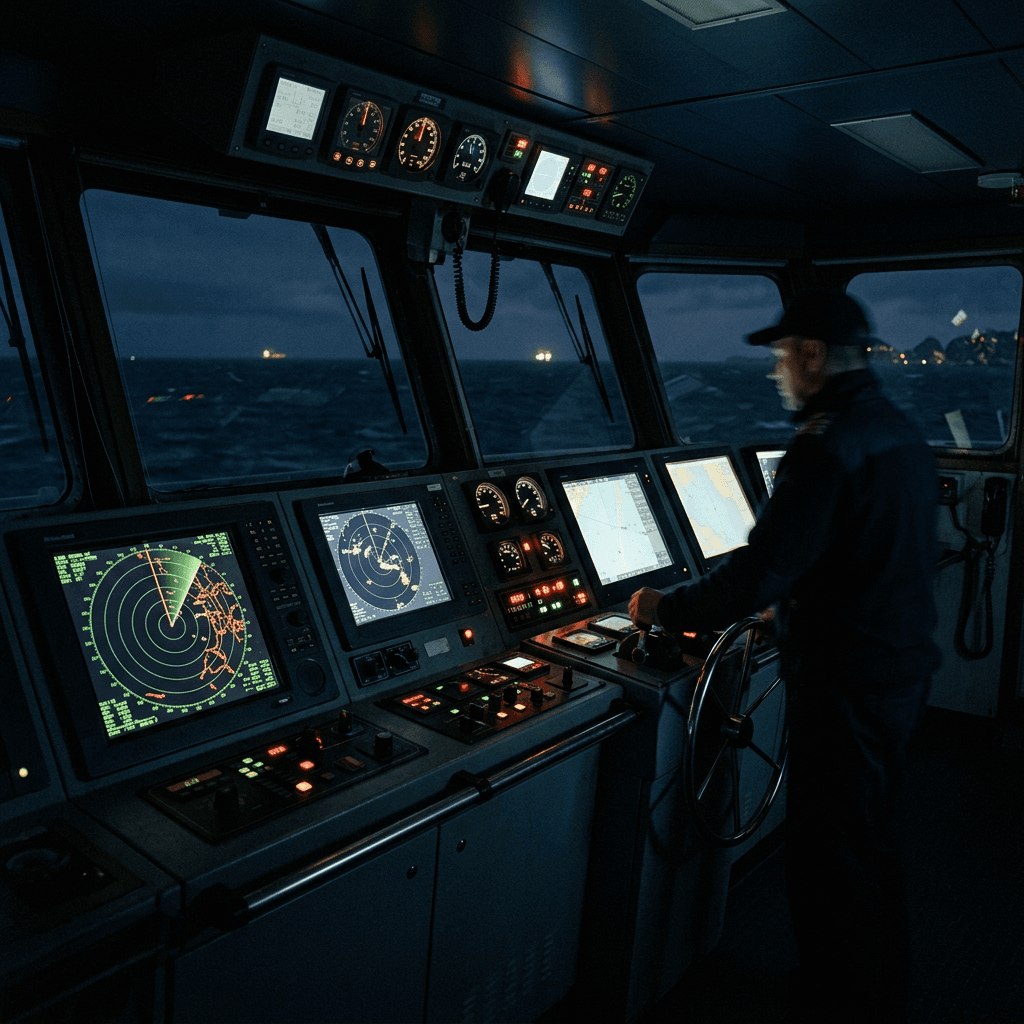
Watch the whole fleet, respond when it counts
Protecting one ship is a start; protecting a fleet is the job. Continuous defensive operations provide 24/7 security operations, threat detection and incident response across the fleet, blocking 100,000-plus threats daily, with AI-assisted operations that let a small team defend at machine speed under human oversight. For a fleet operator, that means the estate is watched continuously without every vessel needing its own security crew aboard.
The ultimate test of a maritime defence is what happens when ransomware hits the fleet. Here the record is concrete: a fleet-wide ransomware event contained and fully recovered within a week, with 100% of data restored. That is the outcome an operator is really buying: not the promise that nothing will ever get through, but the certainty that when it does, recovery is measured in days rather than months.
That recovery capability is deliberate. Incident response provides containment, eradication and recovery with retainer and rapid-deployment options, so the team is arranged before the emergency and every engagement leaves the fleet more defensible than before. At sea, dwell time is especially dangerous, because a slow response gives an intruder the run of a vessel that cannot simply be unplugged, so containing the incident quickly is the difference between one affected hull and a fleet-wide event.
When the link drops, you still need to talk
A fleet's defence assumes communications, but the sea does not cooperate. Satellite links fail, congestion bites, and there are stretches of ocean and moments of crisis when the primary connection simply is not there. A resilient operator plans for the silence.
HF emergency communications provide a fallback that works when everything else is down: no towers, no satellites, no subscriptions. Compact, field-repairable transceivers with open architecture can be deployed as a standing contingency network, operating independently of any commercial or foreign-owned infrastructure. It is a communications capability that survives the loss of the links a fleet normally relies on.
For a shipping operator, that fallback is more than convenience. It is the assurance that a vessel in trouble, or a fleet coordinating through a disruption, is never entirely cut off, a resilience layer no adversary or outage can quietly switch off. Because the HF network depends on nothing between the two radios, there is no tower to jam, no satellite to deny and no subscription to lapse at the worst moment.
One flag, one accountable partner
Fleet cyber resilience comes together when its parts are held by one team: maritime-specific protection aboard every hull, continuous defence across the fleet, a rapid-response capability for the bad day, and a communications fallback for when the links fail. Each reinforces the others, and each finding sharpens the whole.
Unstrat is an independent, non-aligned vendor, so all of it is delivered through one accountable channel answerable to the operator's flag rather than a foreign government's disclosure rules. For a fleet moving cargo and crews across contested and congested waters, that accountability is part of the protection.
A ship is a floating network. Treat it like one: defended deep, watched continuously, recoverable fast, and reachable even when the ocean goes quiet.


